Discover a selection of projects made using Prism Pipeline:
Hungry
Magic Dust VFX | Movie
The Unloved
Illogic Studios | Advertisement
Smart Rabbit Momo
9D Media | Movie
Tales from the Multiverse
Tumblehead | Short Film
Lattice Boom Crane
NOV | Advertisement
Umbraven
HS Mainz | Student Project
The Rig
Alps Studios | TV Series
Calling All Villains
ZAMination | YouTube Series
Innovation Effect
dothefilm | Documentary Series
Forging The Way
Highway VFX | Cinematic Trailer
Reel
Prism Pipeline | Reel
Inhuman
h_da Darmstadt | Student Project
A Mouse Hunt for Christmas
Expanse | Movie
House of the Dragon
Viridian FX | TV Series
Menace
Hoplite VFX | Game Trailer
Babamimoun
Lucy Knowles | Music Video
Quand Vient l'Aube
ISART Digital | Student Project
Reflection
h_da Darmstadt | Student Project
Showcase your Prism Pipeline powered projects here! Get in touch.


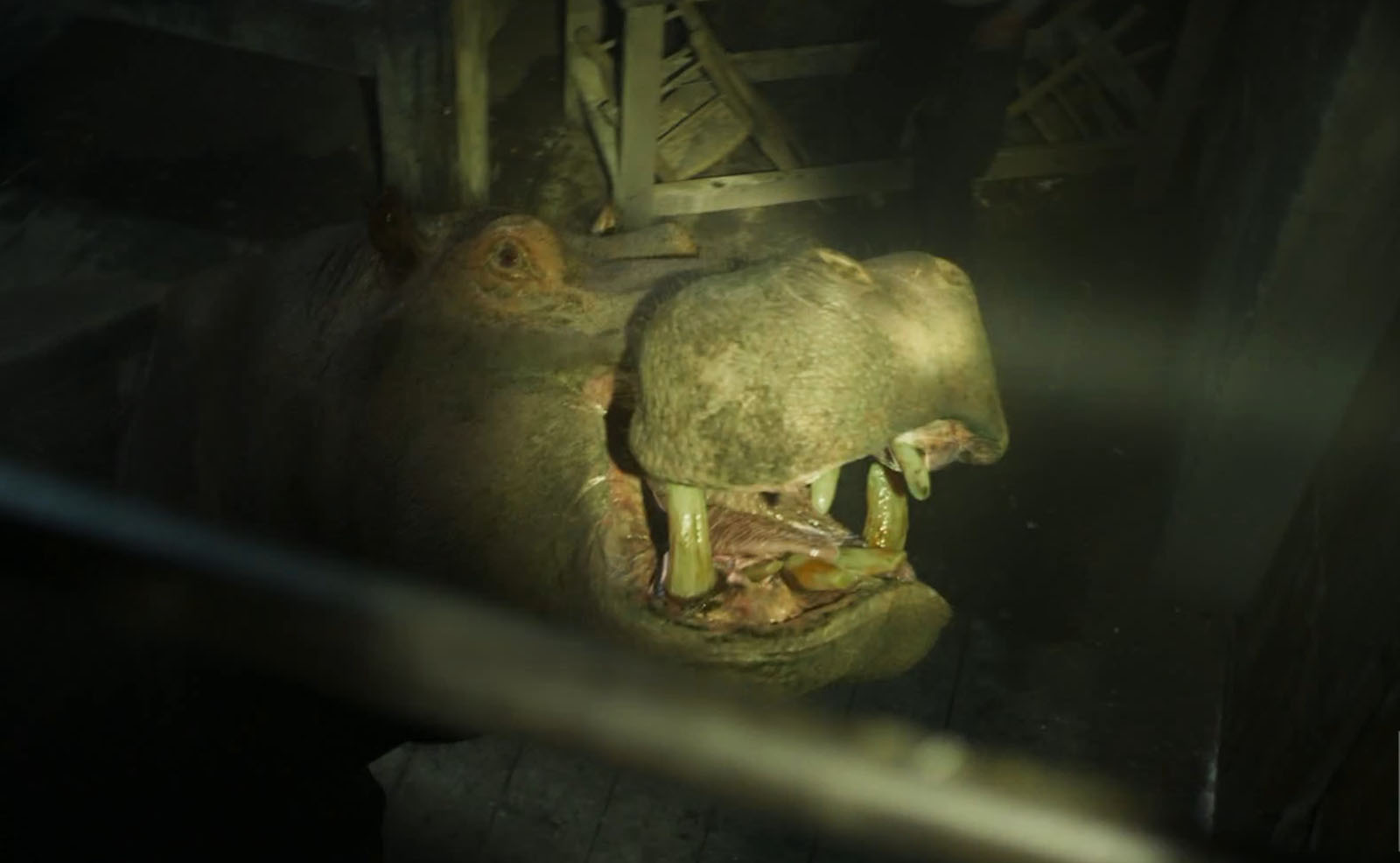
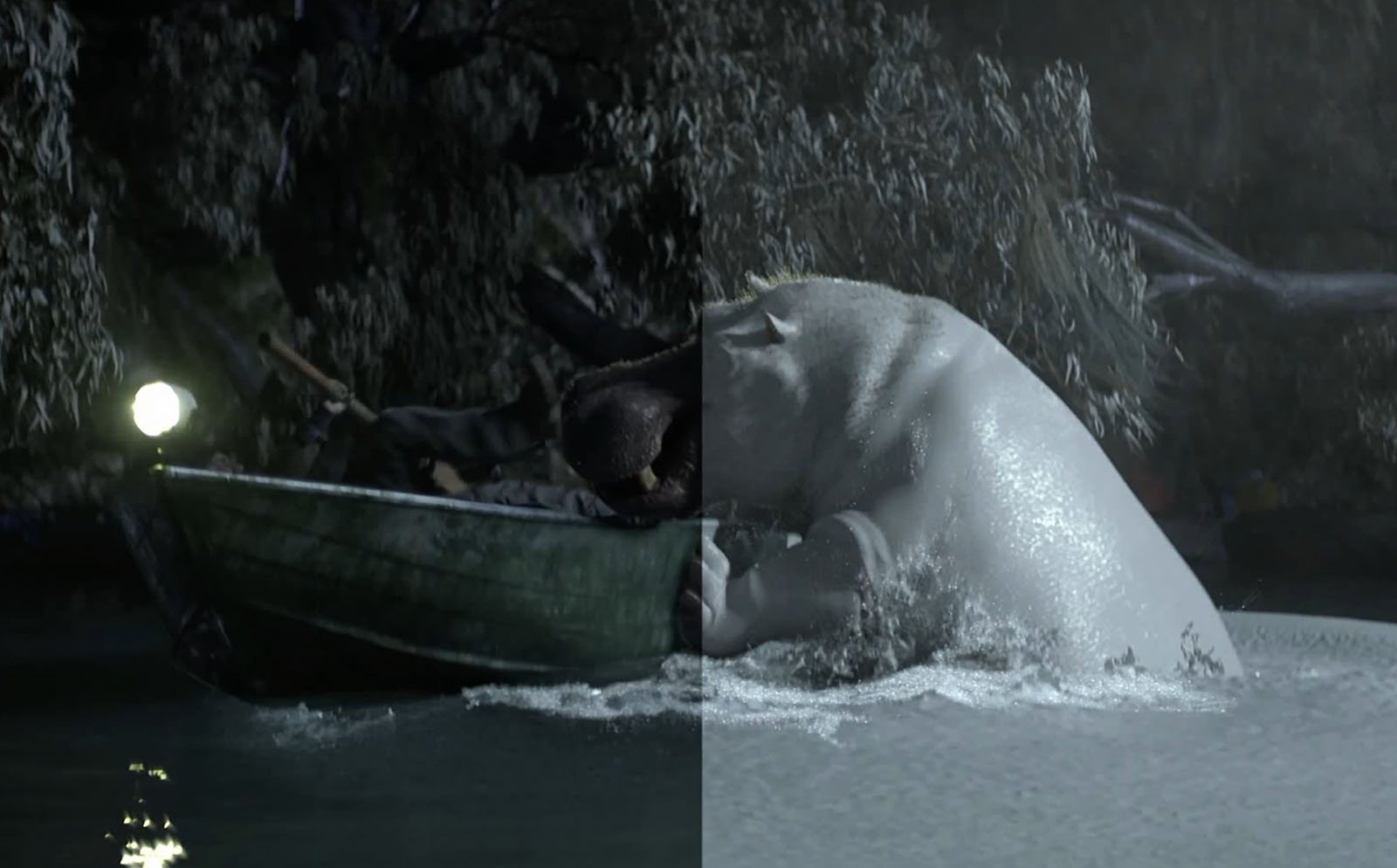
The VFX of Hungry: delivering a CGI creature feature on an independent budget
When Signature Entertainment met with London-based Magic Dust VFX to discuss a feature starring a fully CGI hippo and featuring extensive FX water sims – all to be delivered on a tight budget – the initial brief seemed very challenging.
Creature-led features typically end up with the largest VFX vendors, as they require robust CGI pipelines, very expensive computing power and storage – not the usual territory for boutique VFX companies.
However, the Magic Dust team, led by VFX supervisor Ahmed Yousry (Interstellar, Bond, Mission: Impossible, Pacific Rim, The Fast and the Furious, Thor, Ant-Man, Man of Steel, The King and Hugo), did not shy away from the challenge.
During pre-production, Magic Dust designed the hippo, which was shared with the creature SFX team to build a 3D-printed model.
Whilst on set, the team captured lighting information and scanned various locations using drones and DSLR cameras to build digital sets. This enabled Magic Dust to seamlessly integrate the CGI hippo with the filmed environment.
In post-production, Magic Dust’s team of small, experienced artists and engineers built an automation tool and templates that enabled multi-shot workflows and optimized GPU rendering.
All of the above allowed the team to deliver a large number of shots with the smallest possible footprint. As a result, Magic Dust was able to deliver over 80 CGI hippo shots within the production’s tight budget and schedule.
Director: James Nunn
VFX Supervisor: Ahmed Yousry
VFX Producer: Suzie Boavida
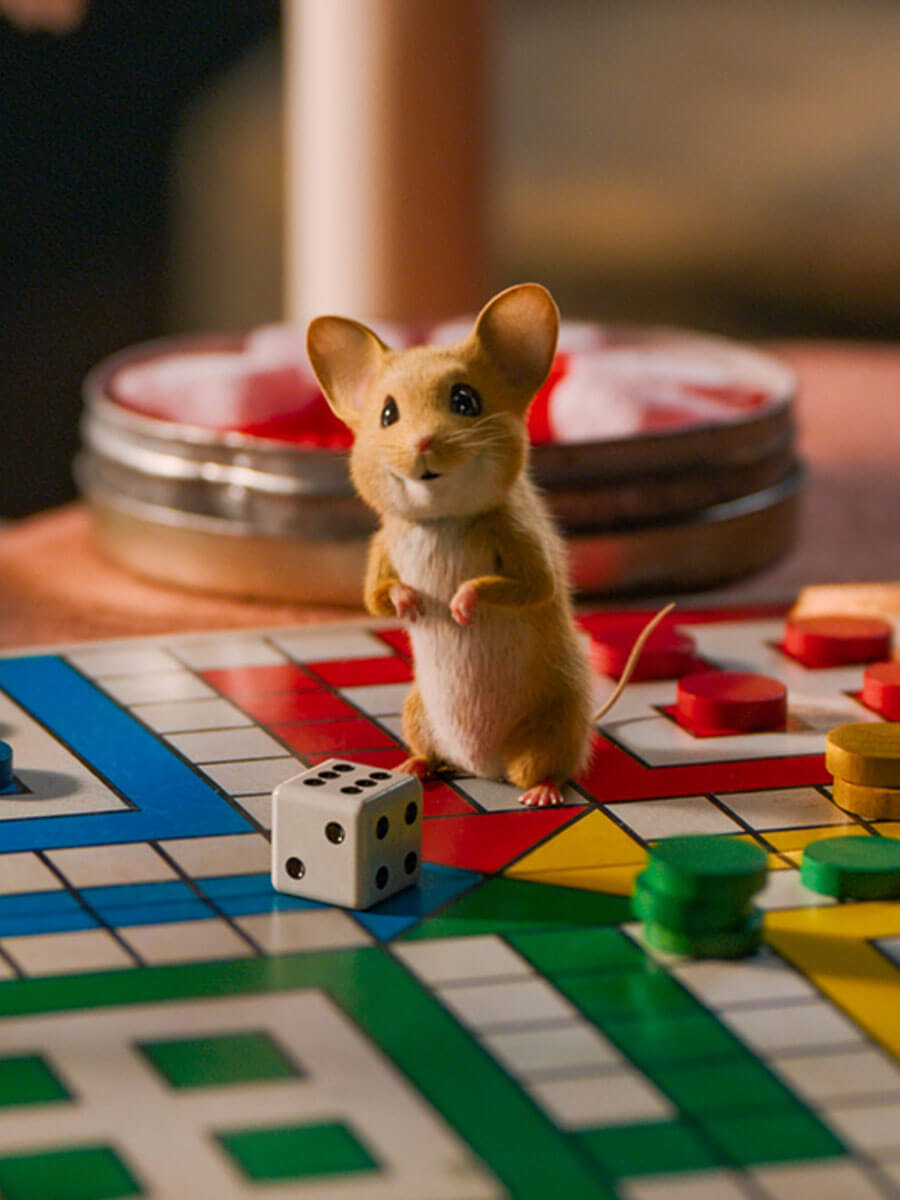
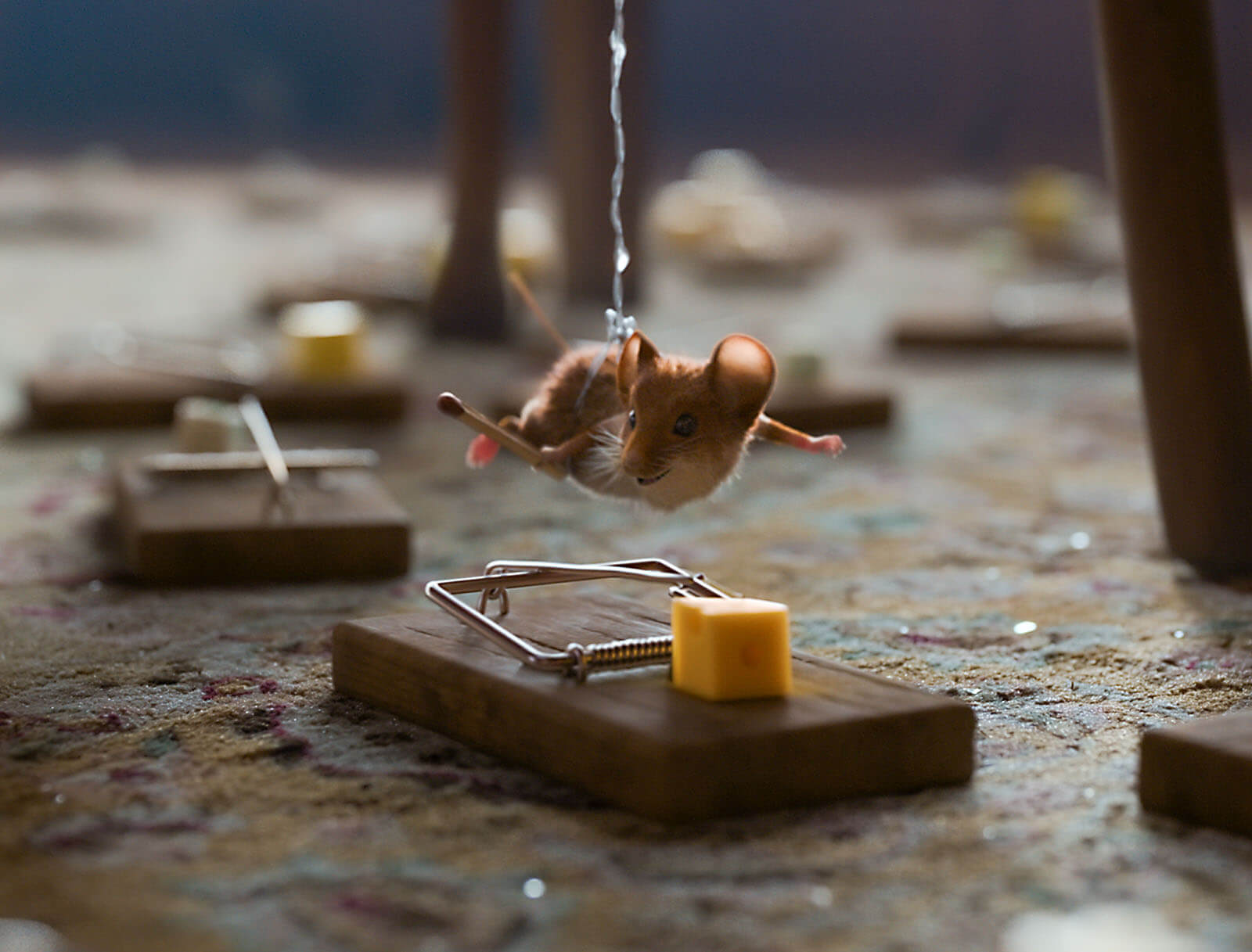
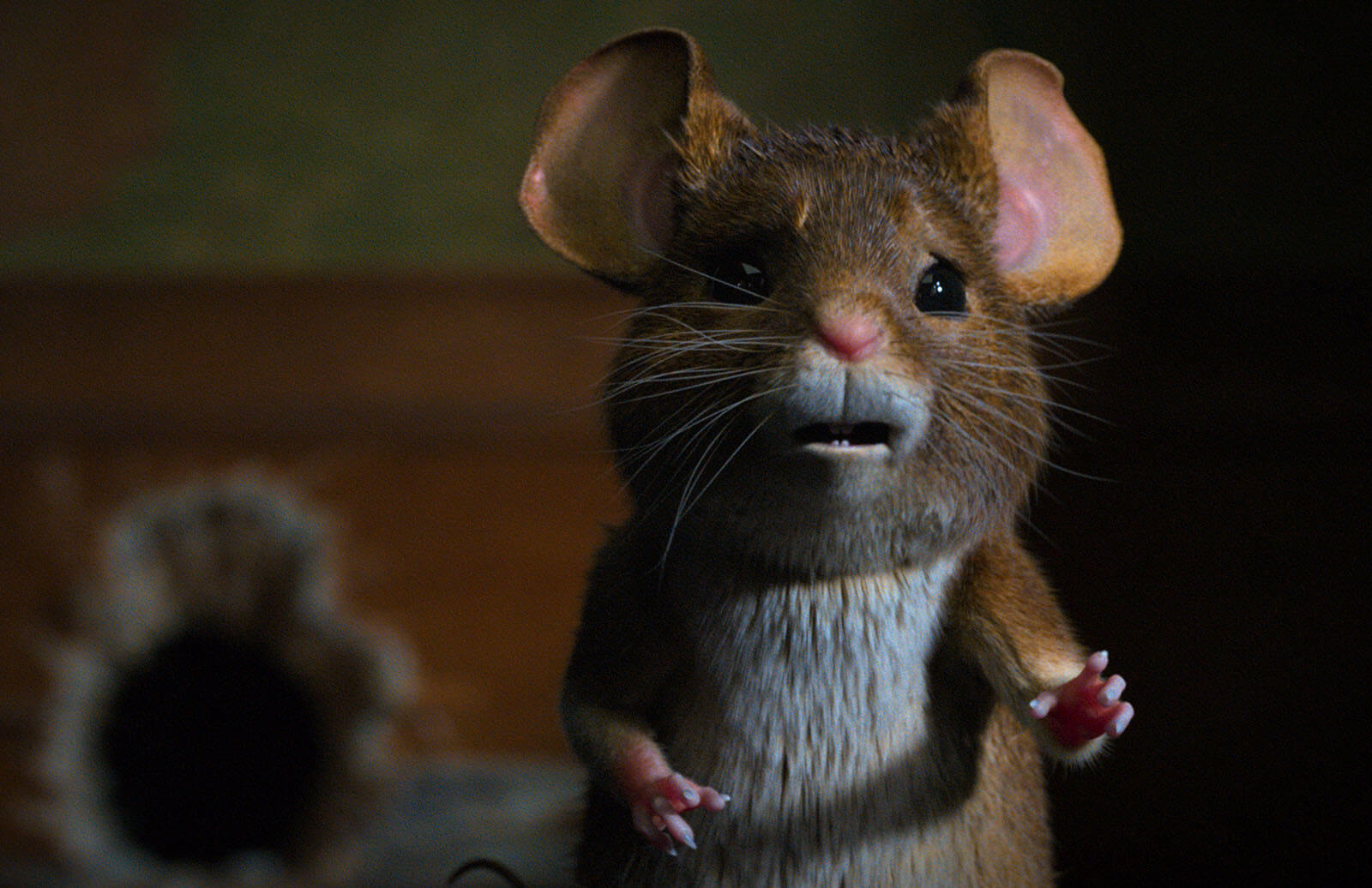
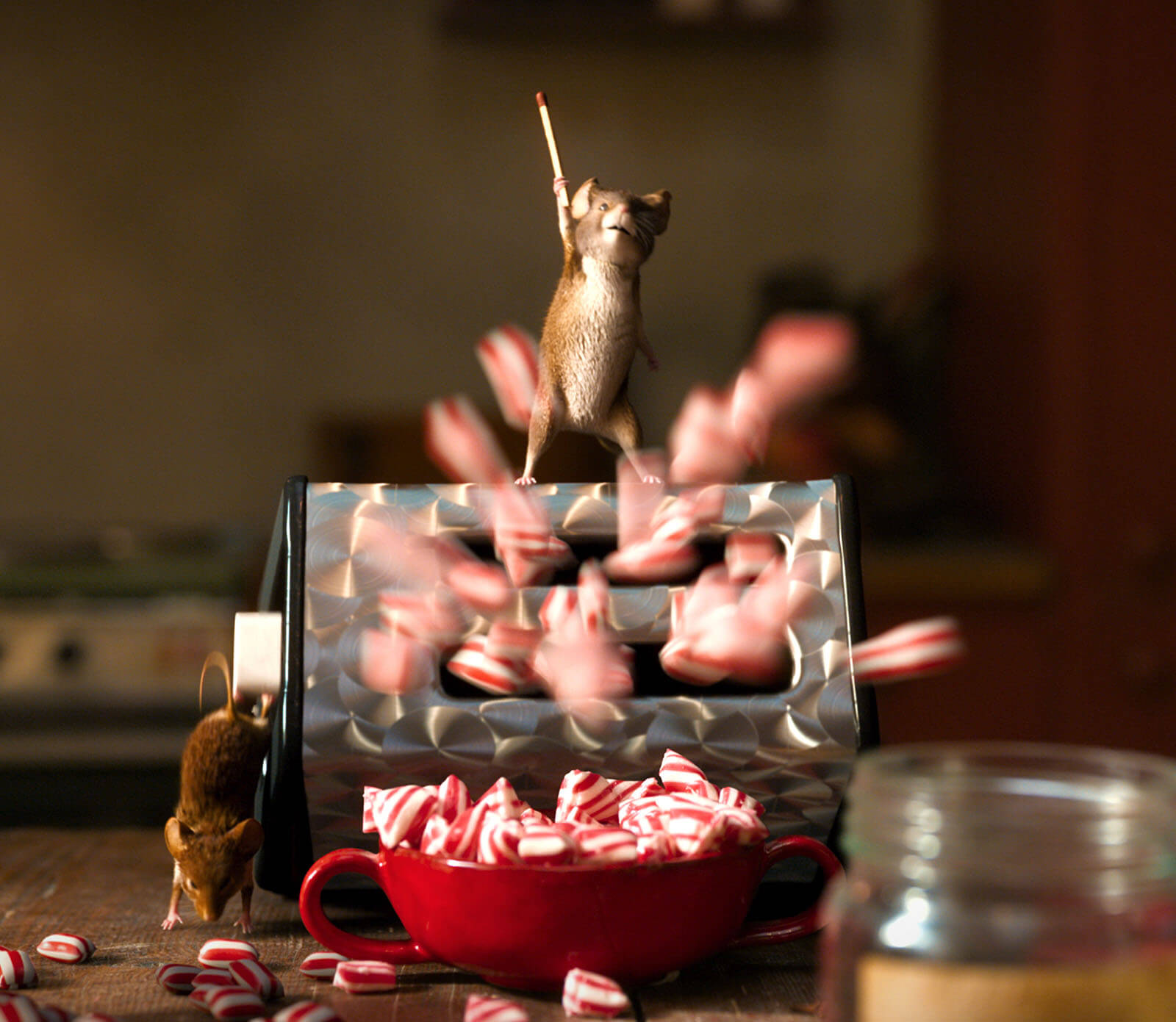
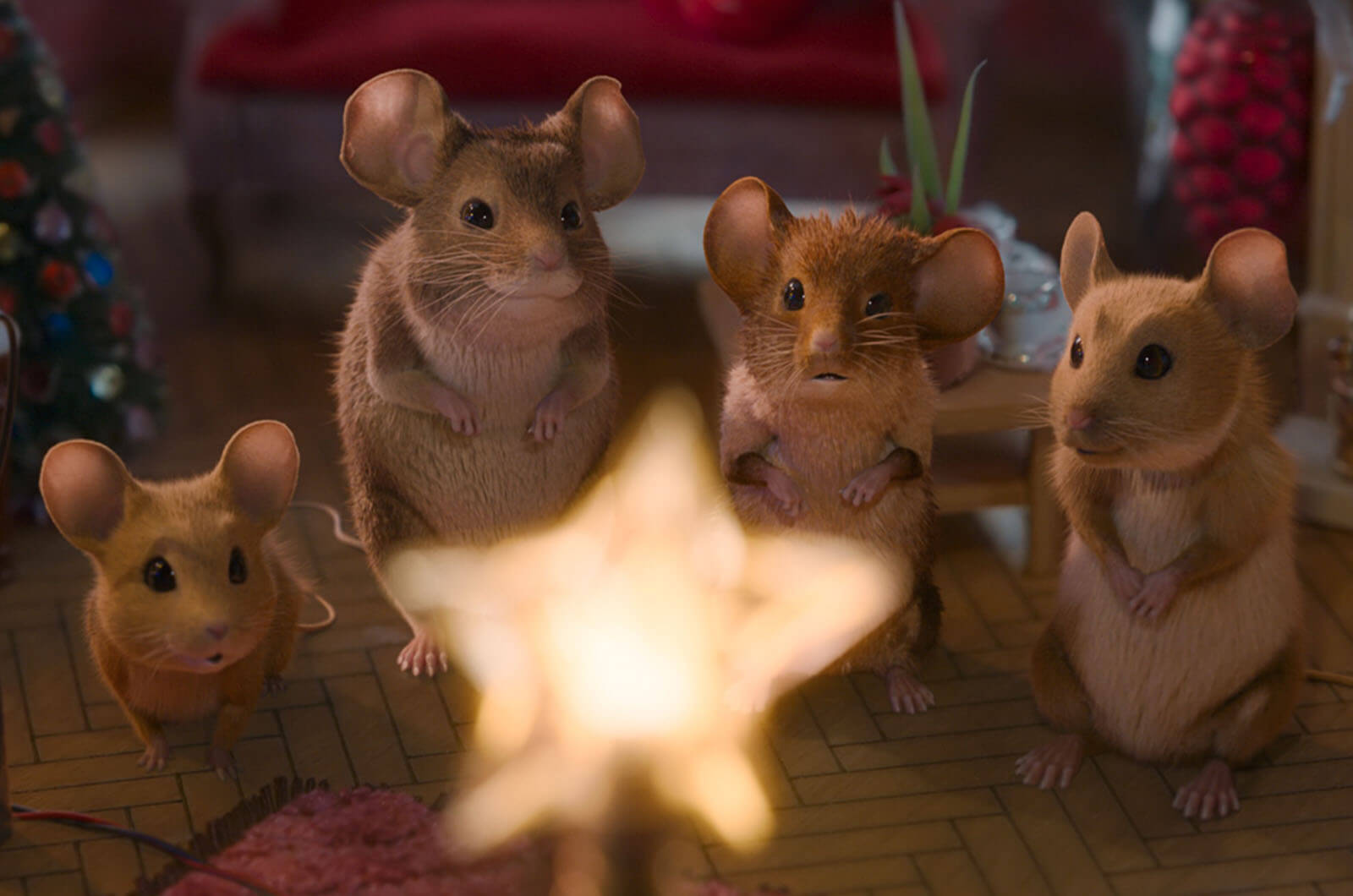
A Mouse Hunt for Christmas, produced by Fantefilm and directed by Henrik M. Dahlsbakken, is a Norwegian live-action family comedy in which a family arrives at their aunt’s abandoned country house for Christmas, unaware that a family of mice already lives there and doesn’t want to share. A battle of traps and wits ensues as the mice fight to protect their home from the unwelcome visitors.
Expanse created four CG mice, delivered around 500 VFX shots and 32 minutes of character animation, with Prism Pipeline supporting the entire production.
Prism connected Flow Production Tracking with Maya, Houdini, Solaris and Nuke, bringing asset management, animation, rendering and compositing into one cohesive workflow. Streamlined handovers and version control enabled smooth collaboration between departments and made it easier to accommodate late editorial changes.
Prism provided Expanse with a stable, flexible and user-friendly pipeline. Its API made it easy to extend existing functionality to meet the project’s needs, while allowing artists to focus on their work.
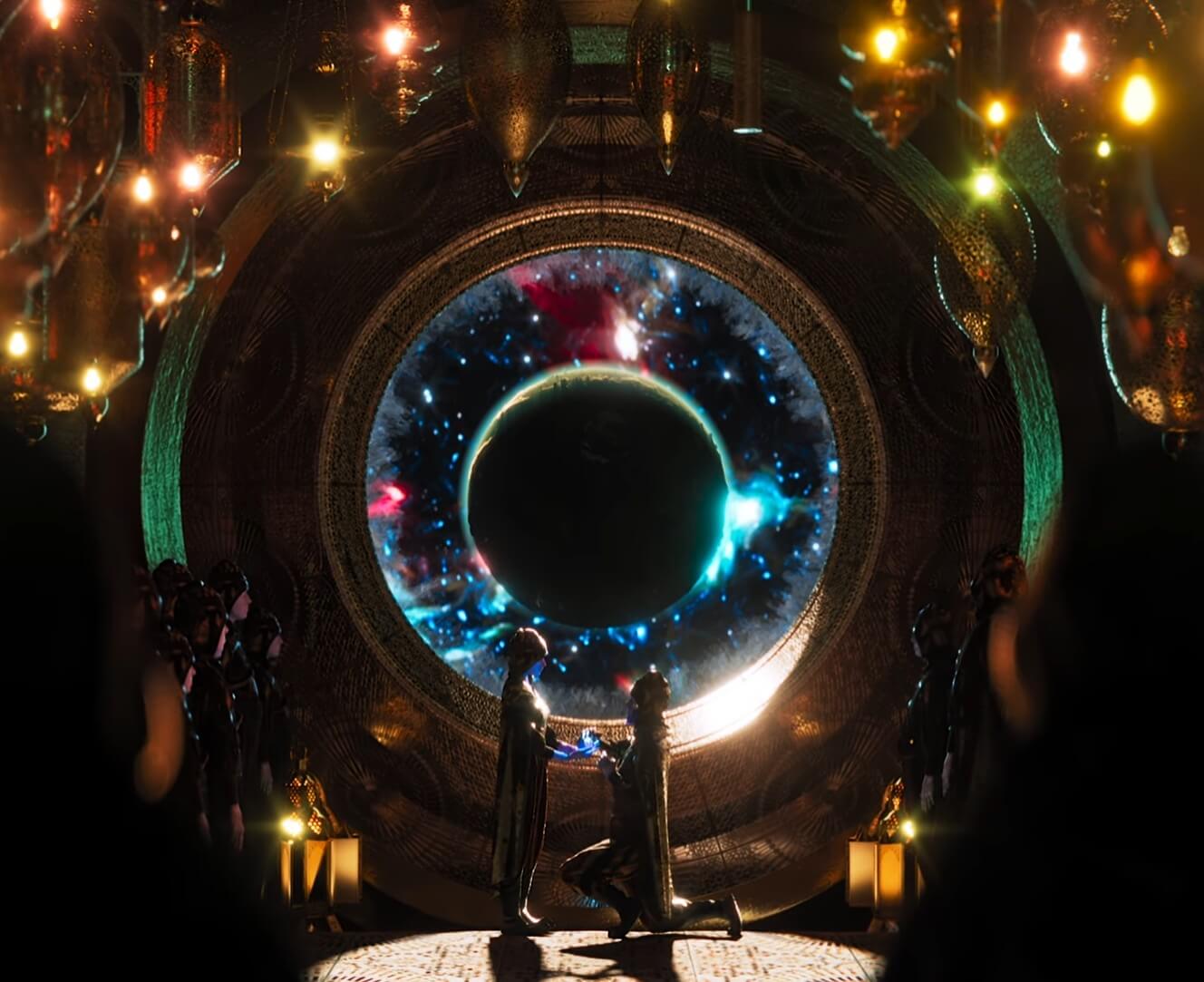
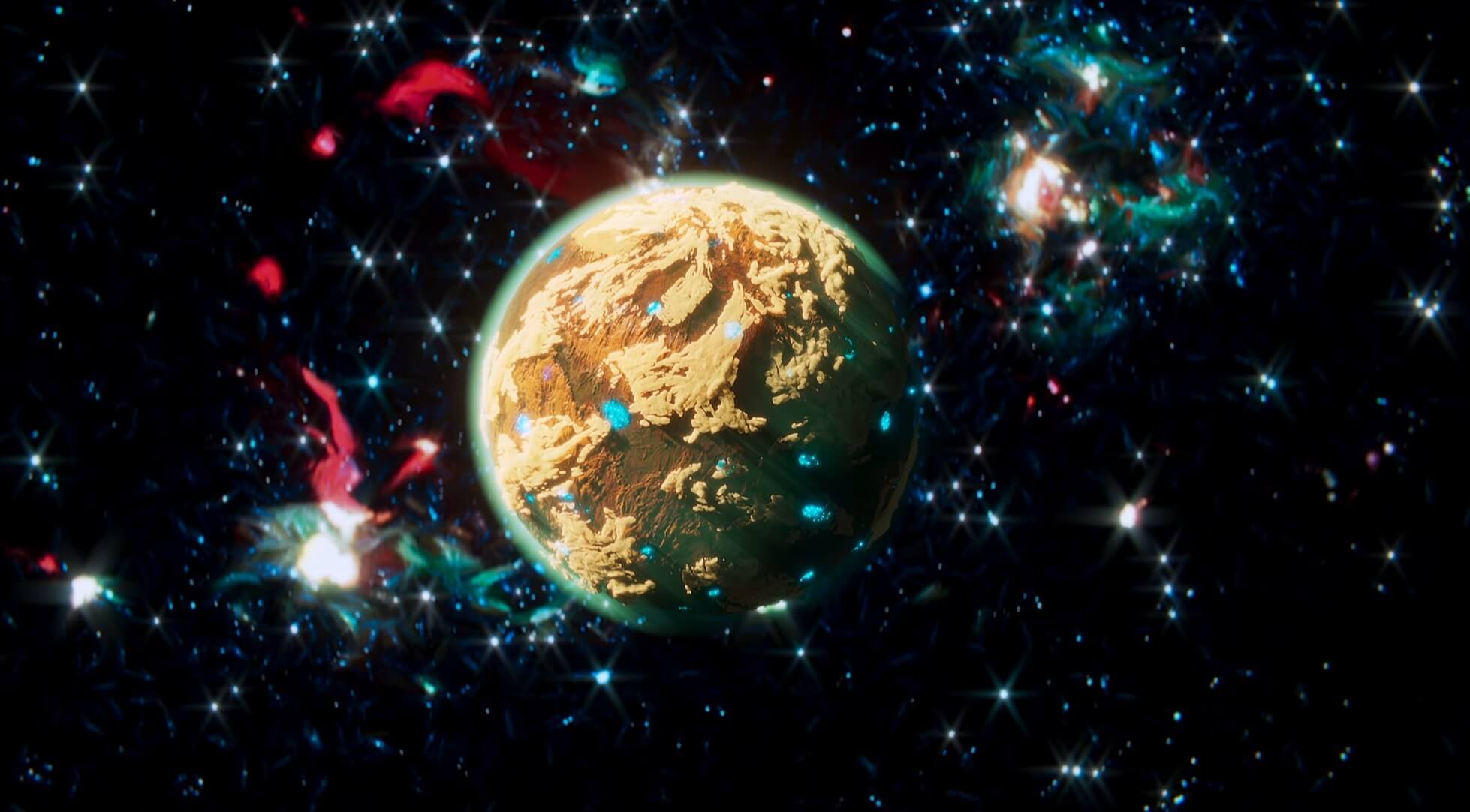
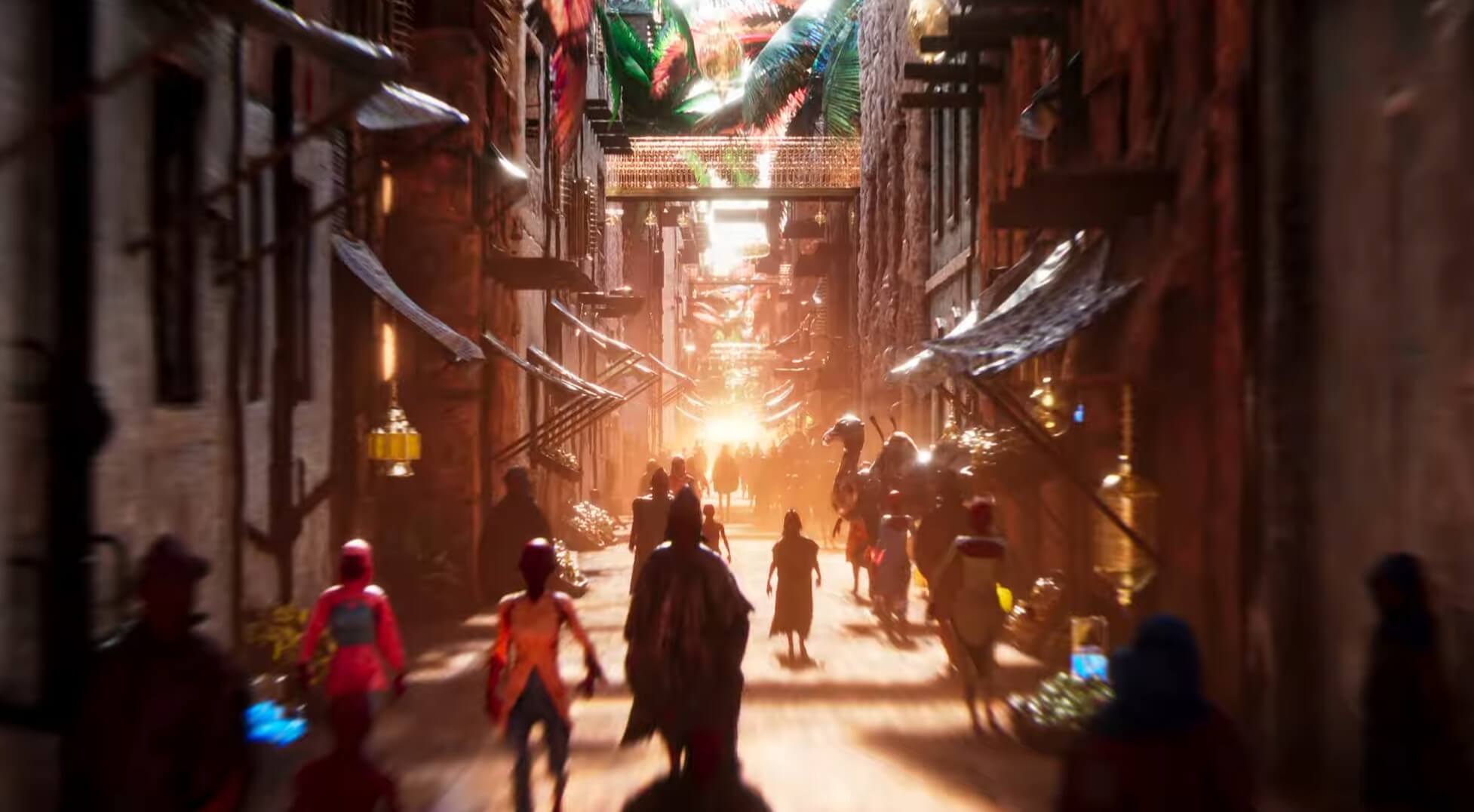
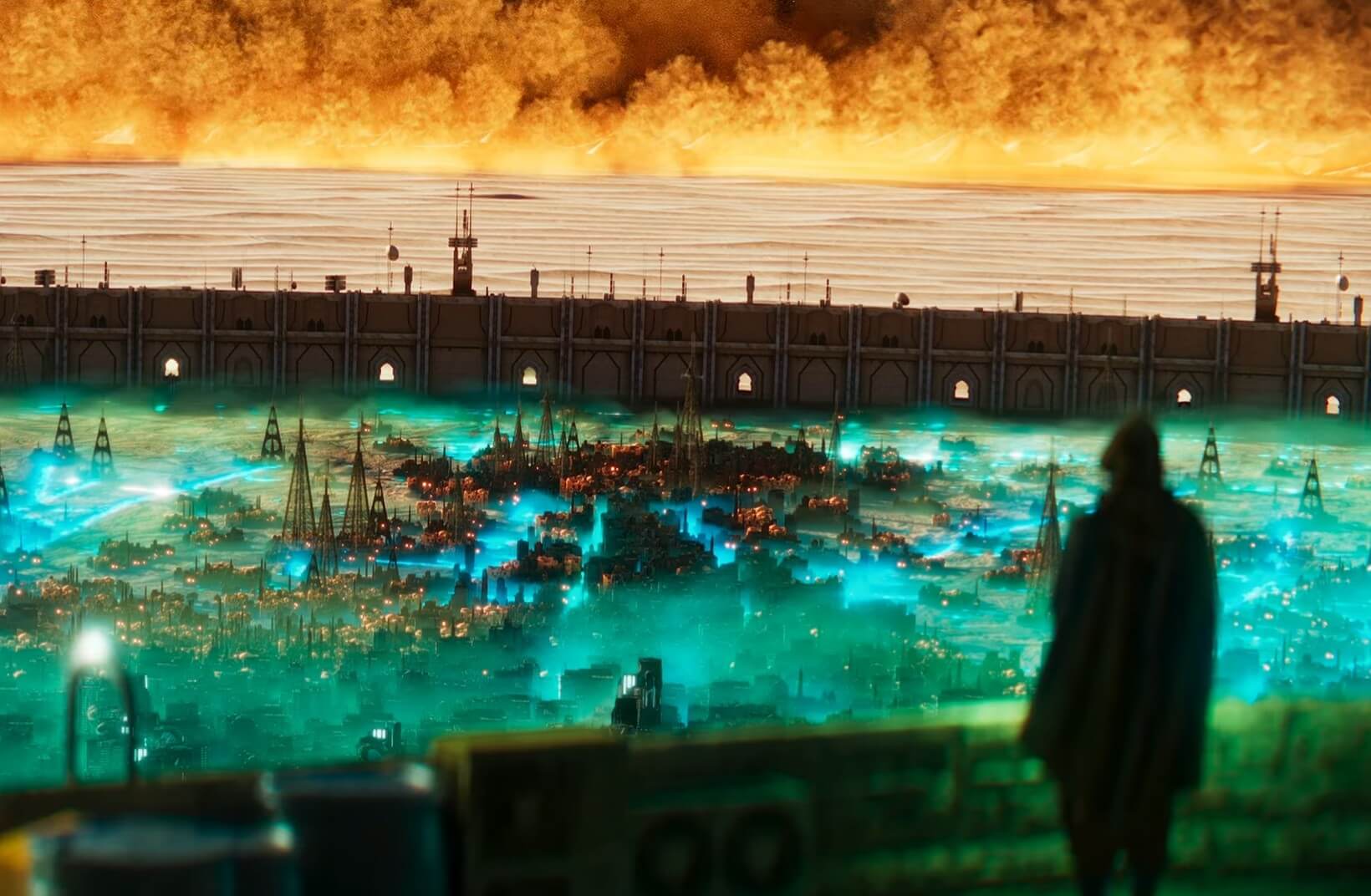
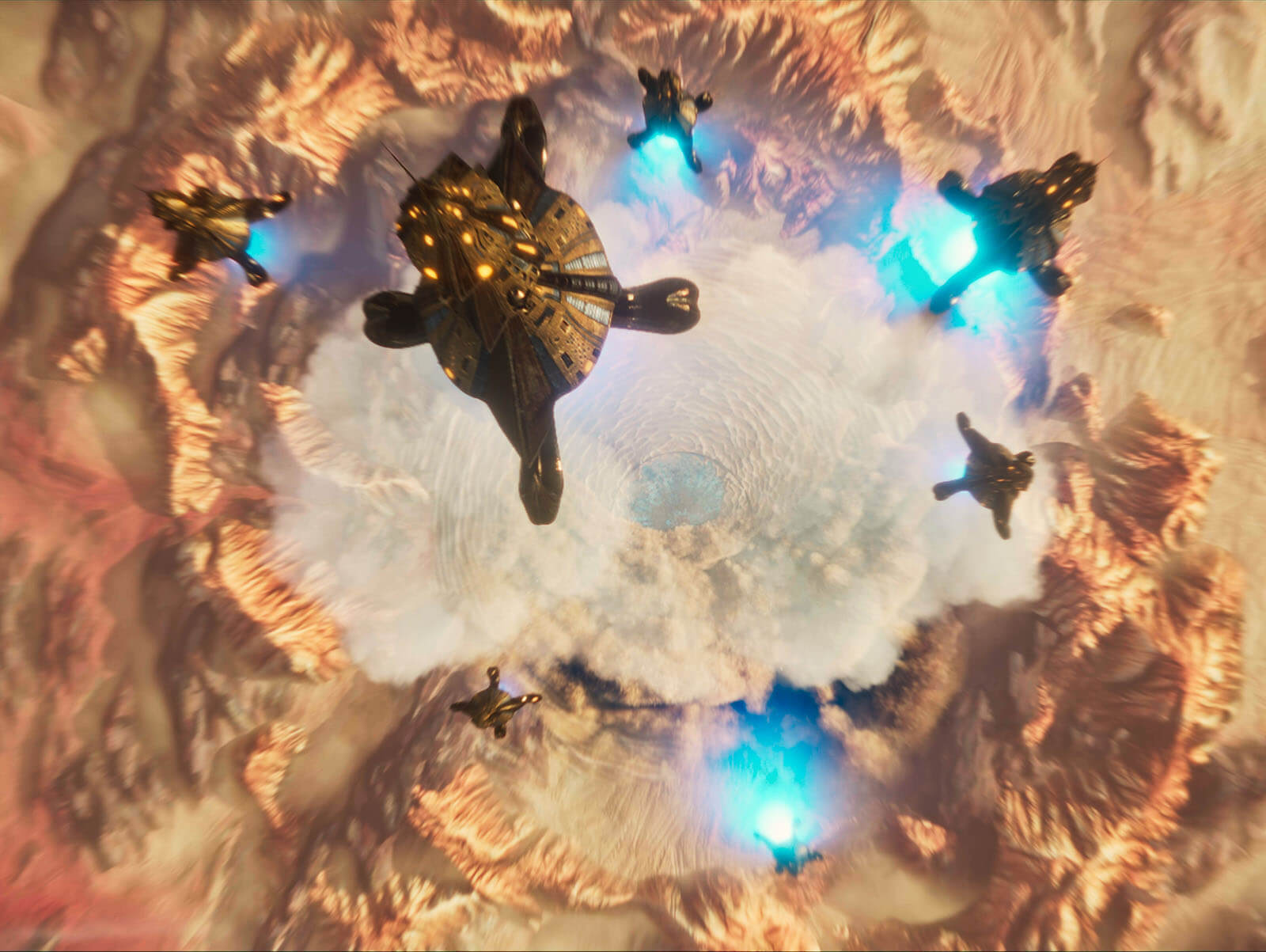
Babamimoun
by Lucy Knowles (UK)
Music Video 2020
Babamimoun was made using Maya, Houdini, 3ds Max, Nuke, Redshift and Prism Pipeline. It was finished in January 2020. I completed the project entirely by myself visually, working with a sound effect artist and of course using the lovely musical track.
This visual adventure is a relentless race through evolution, inspired by the traditional Gnawan song – featuring the vocal of Simo Lagnawi and brought to life by the euphoric trippy sonics of Speakman Sound.
The song is about Baba Mimoun, the leader of the spirits of the small forests, the human relationship with these spirits and where that takes us.
Prism was extremely helpful throughout the entire pipeline, working on my own I was looking for something that could help me organise the large amount of files that a project of this size would require and stumbled across Prism Pipeline. It was the first time I had used it for a project and it was really quick to get it up and running. I found learning it was incredibly intuitive and didn’t take long. It was incredibly useful for managing the huge amount of different assets that were used to populate the large scale environments.
Maya was the main software used in the pipeline, it was used for many things, including animation, rigging, layout and rendering (with Redshift). A referenced asset scene workflow was used for the characters and a lot of the environment assets. Prism was extremely useful in organising all the different versions of the characters and ensuring that references would update across the entire project when an update was made to an animation asset.
Prism’s shot workflow enabled me to keep track of all the different shots and work across multiple shots at once to maximise time efficiency. The thumbnail generation feature was very useful and allowed me to quickly see what each version of a particular file contained at a glance.
Prism’s state management workflow was extensively used to generate and manage redshift proxies which were used for scattering large amounts of assets across terrains. It was an extremely useful management tool and ensured that everything was organised and, again, if updates needed to be made it was a breeze.
Houdini was used for a few FX sequences, Prism was used in bringing across VDBs, Alembics and geometry. Prism made this process quick and easy.
Prism’s Nuke tools were incredibly useful for bringing in all the different render layers and automatically laying them out to speed up compositing for the large amount of different scenes. It was also invaluable for updating renders to the latest versions and ensuring the latest renders were always being used.
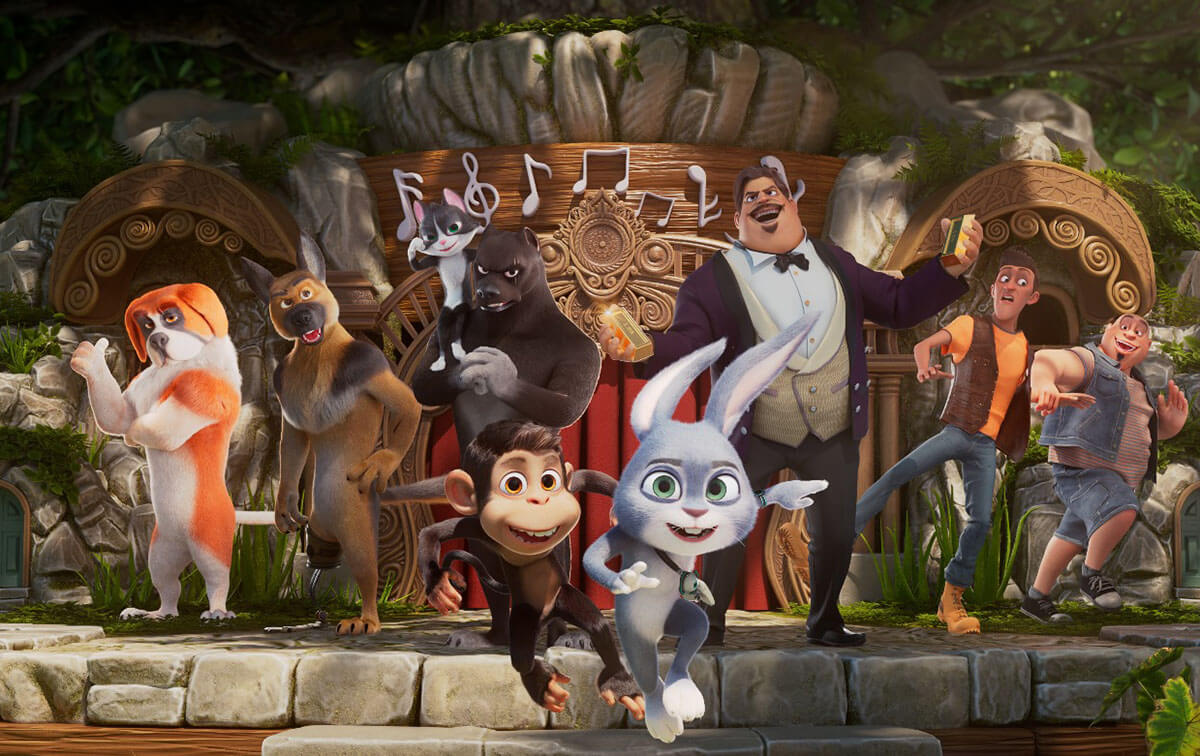
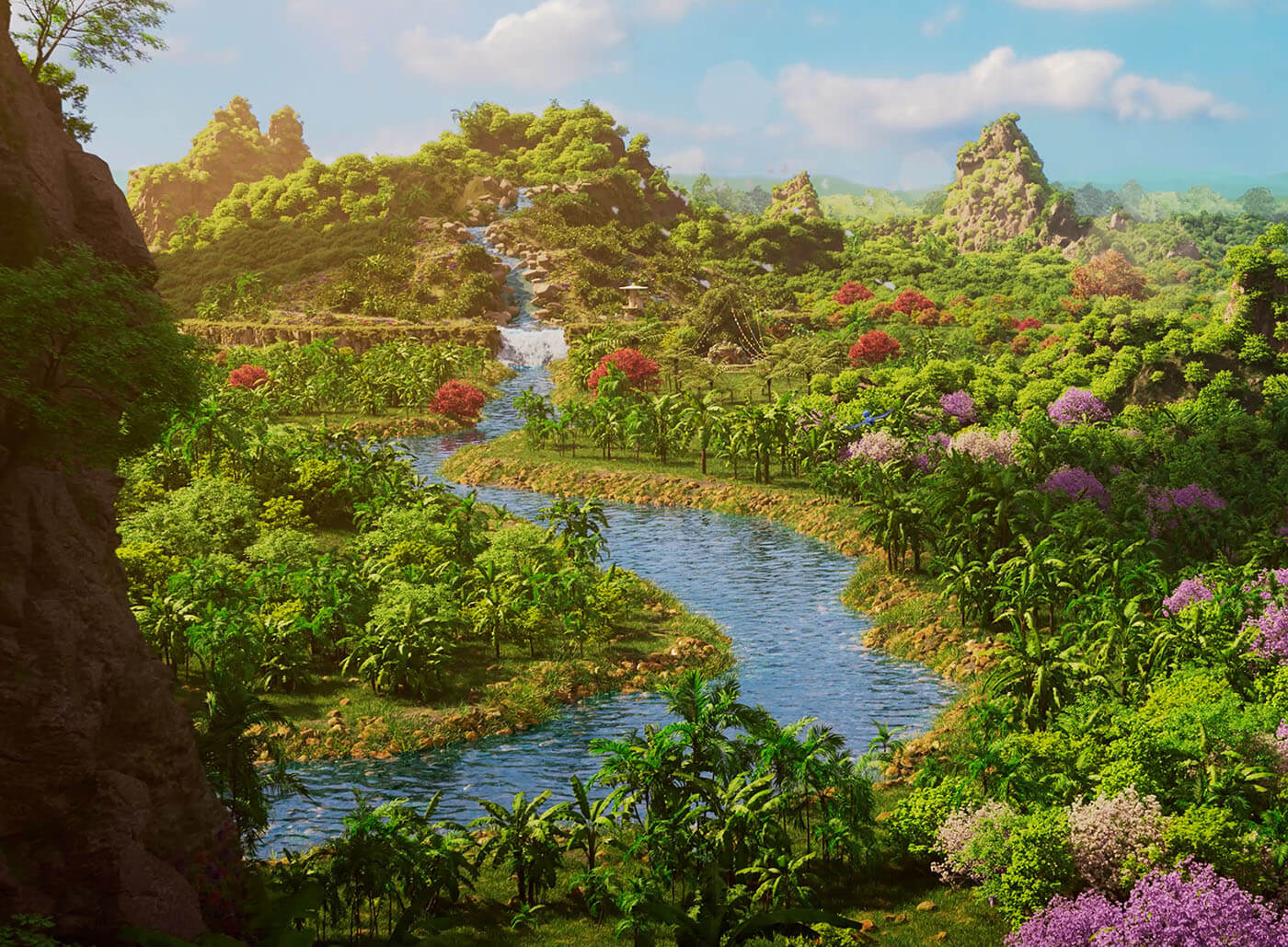
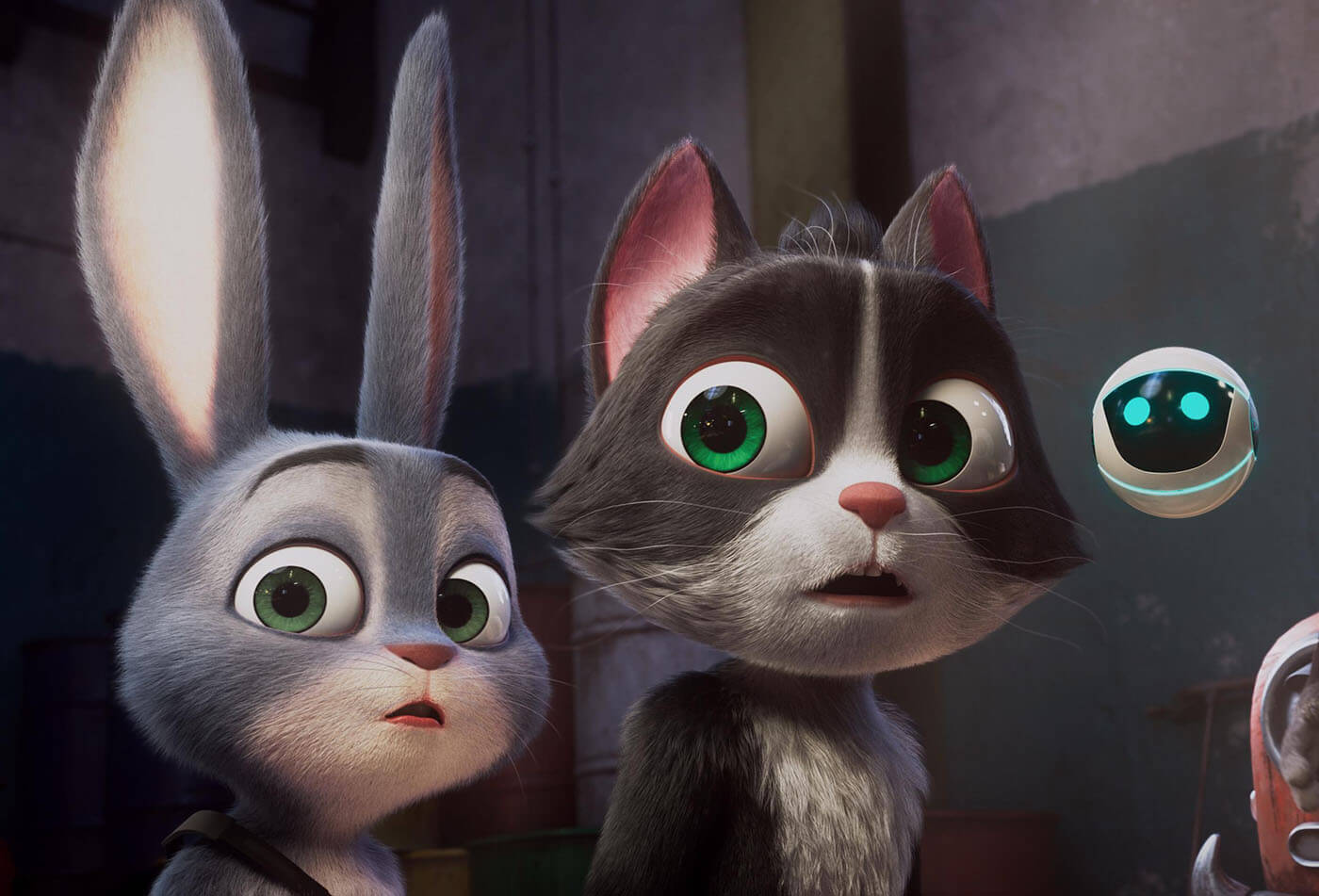
In the peaceful Singing Forest, life is turned upside down when a gang kidnaps several gifted animals, including Yumi, a talented violin-playing monkey. Determined to save his friend, Momo, a clever young rabbit known for his intelligence, courage, and inventive spirit, embarks on his biggest adventure yet.
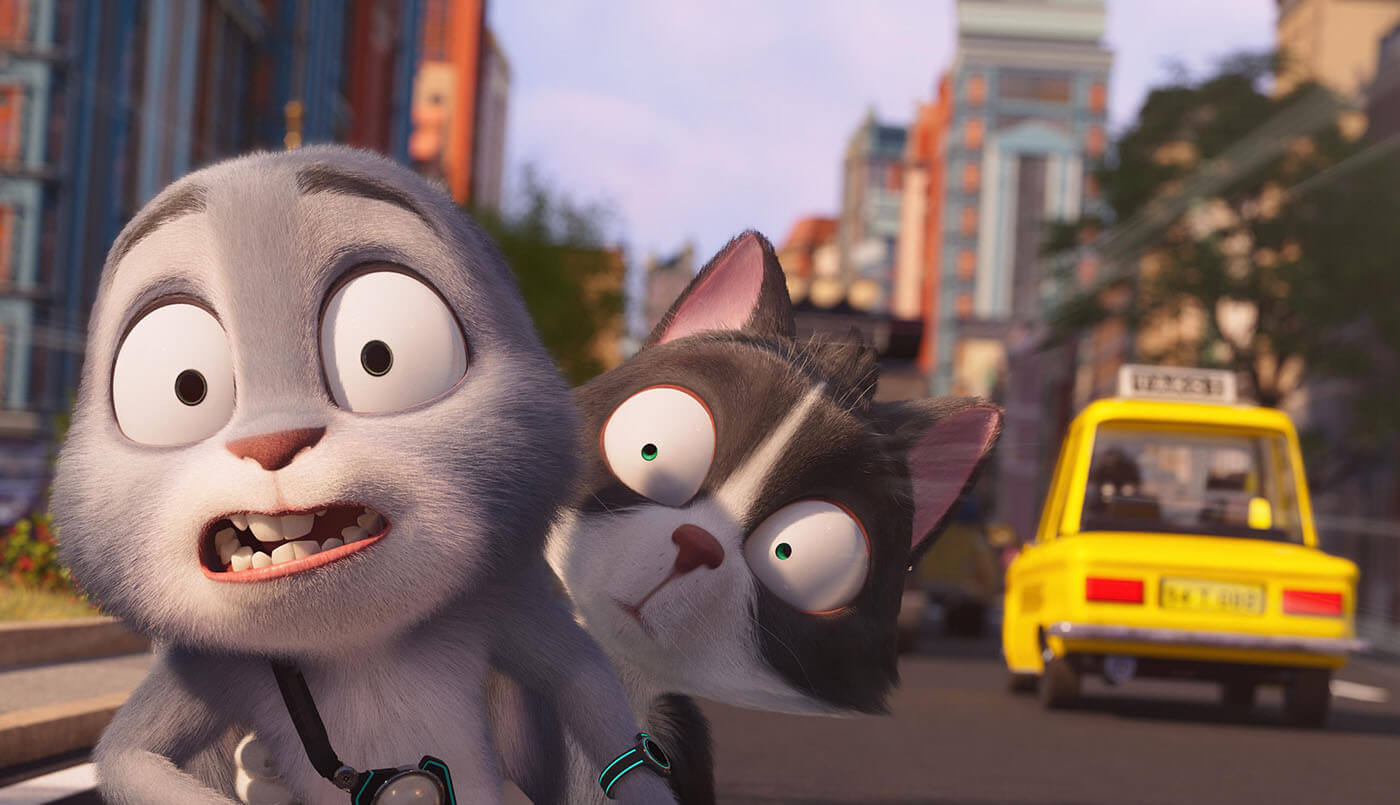
Venturing far beyond the safety of the forest and into the bustling city, Momo teams up with Gölge, a witty street cat, and Poyraz, a brave dog. Together, they follow a trail of clues that leads them to the powerful and greedy businessman Mr. Gold, who exploits talented animals for profit.
As the friends face dangerous obstacles, daring escapes, and thrilling chases, Momo uses his creativity and leadership to outsmart the criminals and fight for freedom. Filled with friendship, teamwork, humor, and environmental themes, Smart Rabbit Momo: The Great Chase is an exciting animated adventure that celebrates bravery, loyalty, and standing up for what is right.
Prism was very beneficial for us as it played a significant role in the production of Akıllı Tavşan Momo: Büyük Takip by providing a unified pipeline between Maya and Houdini. Throughout the project, it streamlined asset management, version control, publishing, and shot tracking, allowing artists from different departments to work efficiently within a shared production structure. The seamless exchange of data between Maya and Houdini reduced manual processes, minimized errors, and ensured consistency across the production. This enabled the team to focus more on creativity and problem-solving rather than file management, contributing greatly to a smoother and more organized animation workflow.


Cardinal rule of the holidays: good food makes good friends. This axiom applies to the animals of the forest as well, but the wolf learns this the hard way in our latest Christmas fairytale produced with Wizz for Intermarché. Illogic is super proud to have collaborated with Romance agency and Divine studio to bring to life this short film.
A full-CG pipeline built around Houdini and USD was used, with Houdini handling lookdev, CFX, procedural modeling, and multi-shot lighting in Solaris/Karma with Deadline managing the render farm. Maya covered animation and modeling, supported by Blender for additional modeling tasks. Texturing was split between Substance Painter and Houdini’s Copernicus. Renders were composited in Nuke and edited in DaVinci Resolve.
Prism served as the backbone, connecting all departments, with in-house developed Prism plugins providing crucial tools such as: USD asset versioning with live asset resolver switching, a modular sanity-check framework and department-specific scene builders.
Agency: Romance
Production: Wizz
Director: Illogic
Directors: Lucas Navarro, Victor Caire, Théophile Dufresne
Producer: Théophile Dufresne
Head of Production: Yann Nicolas
CG Supervisor: Gabriel Grapperon
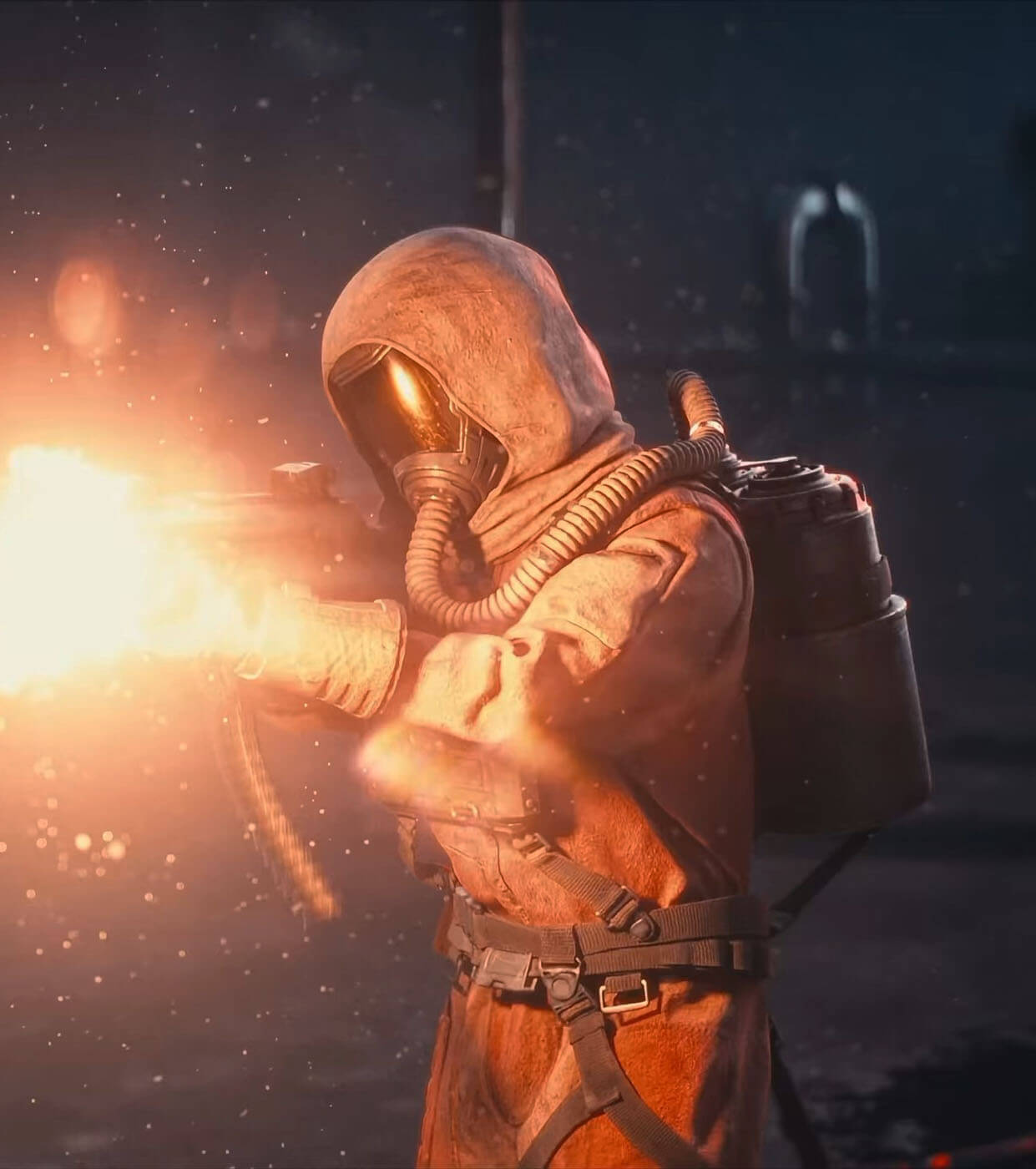
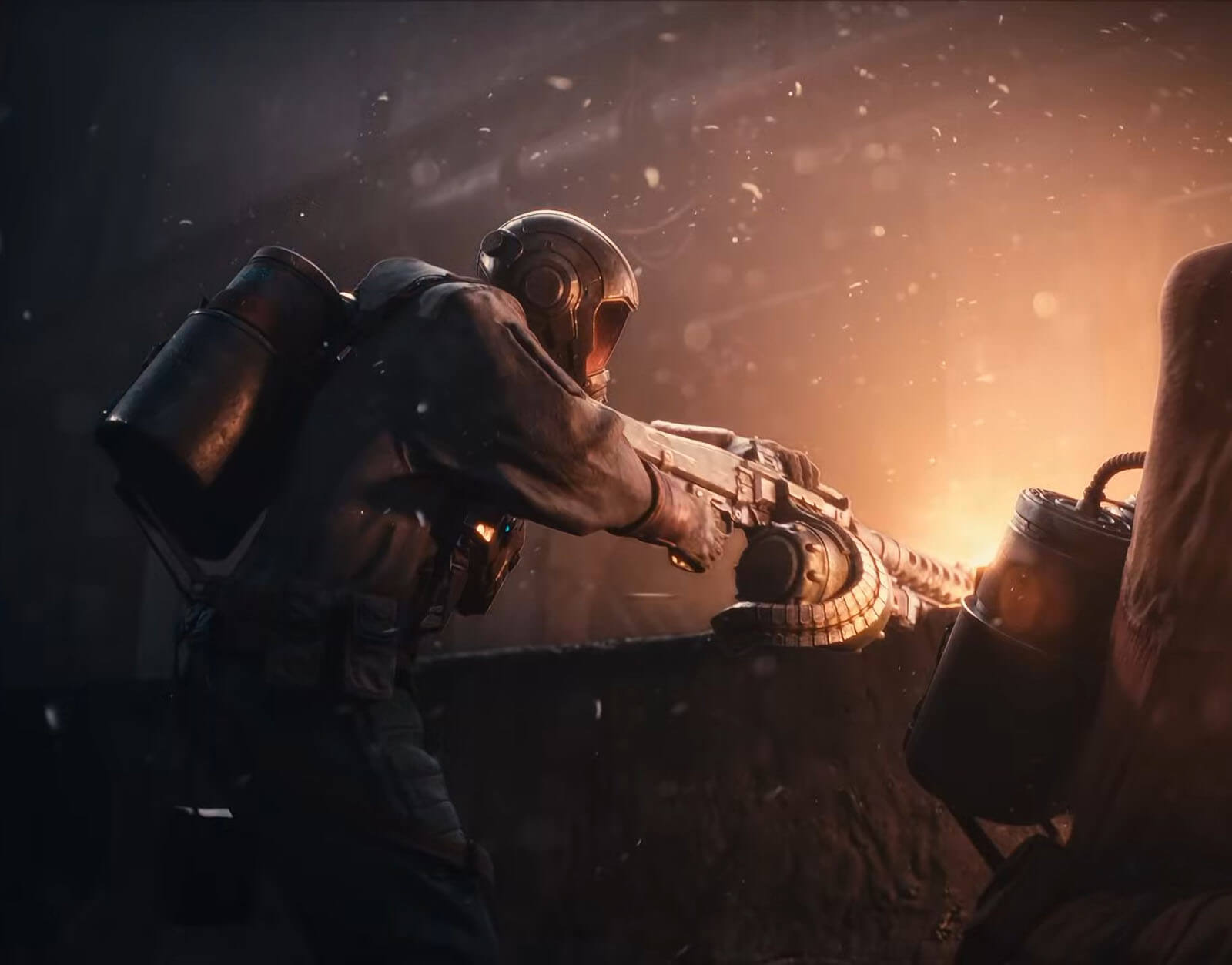
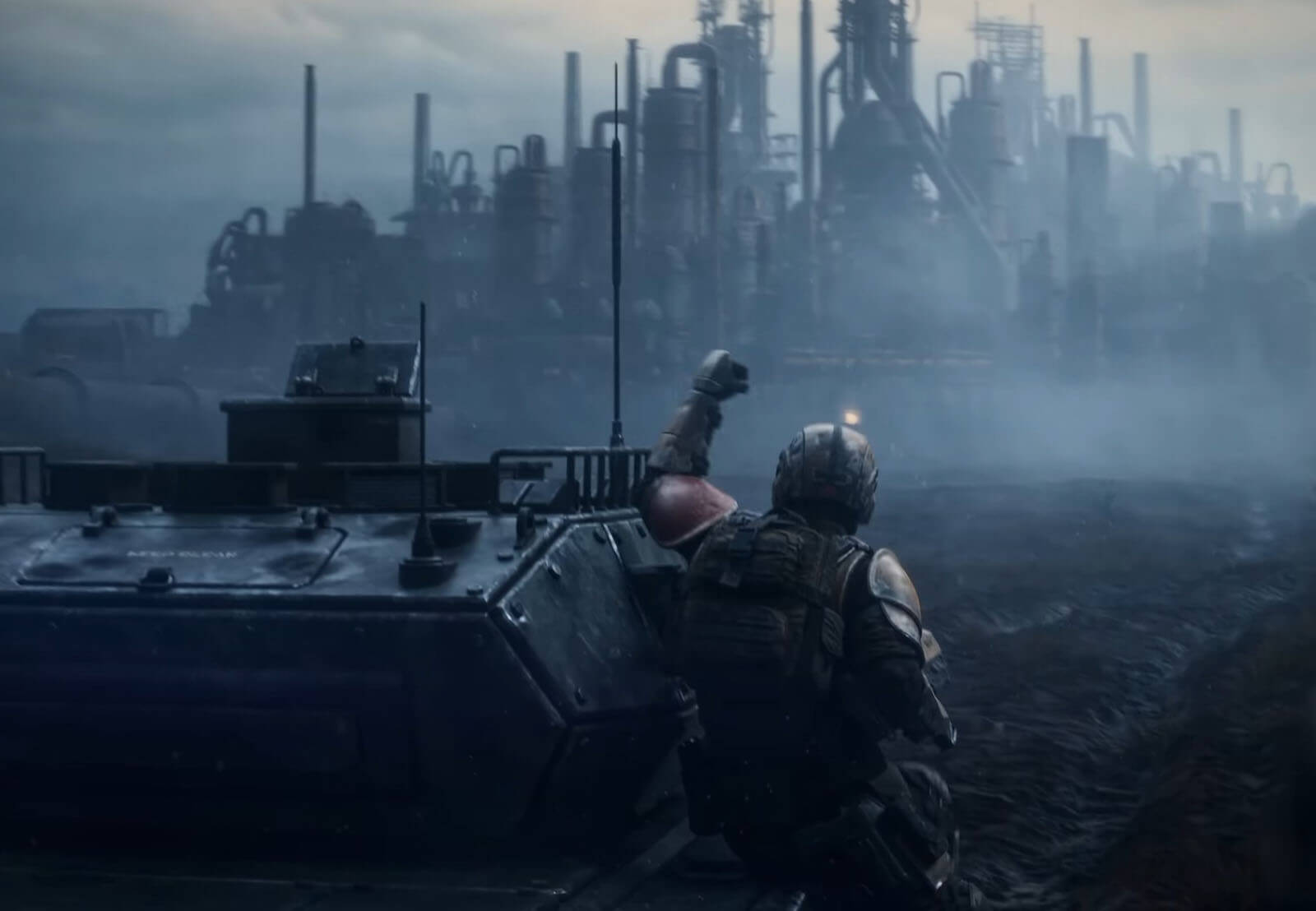
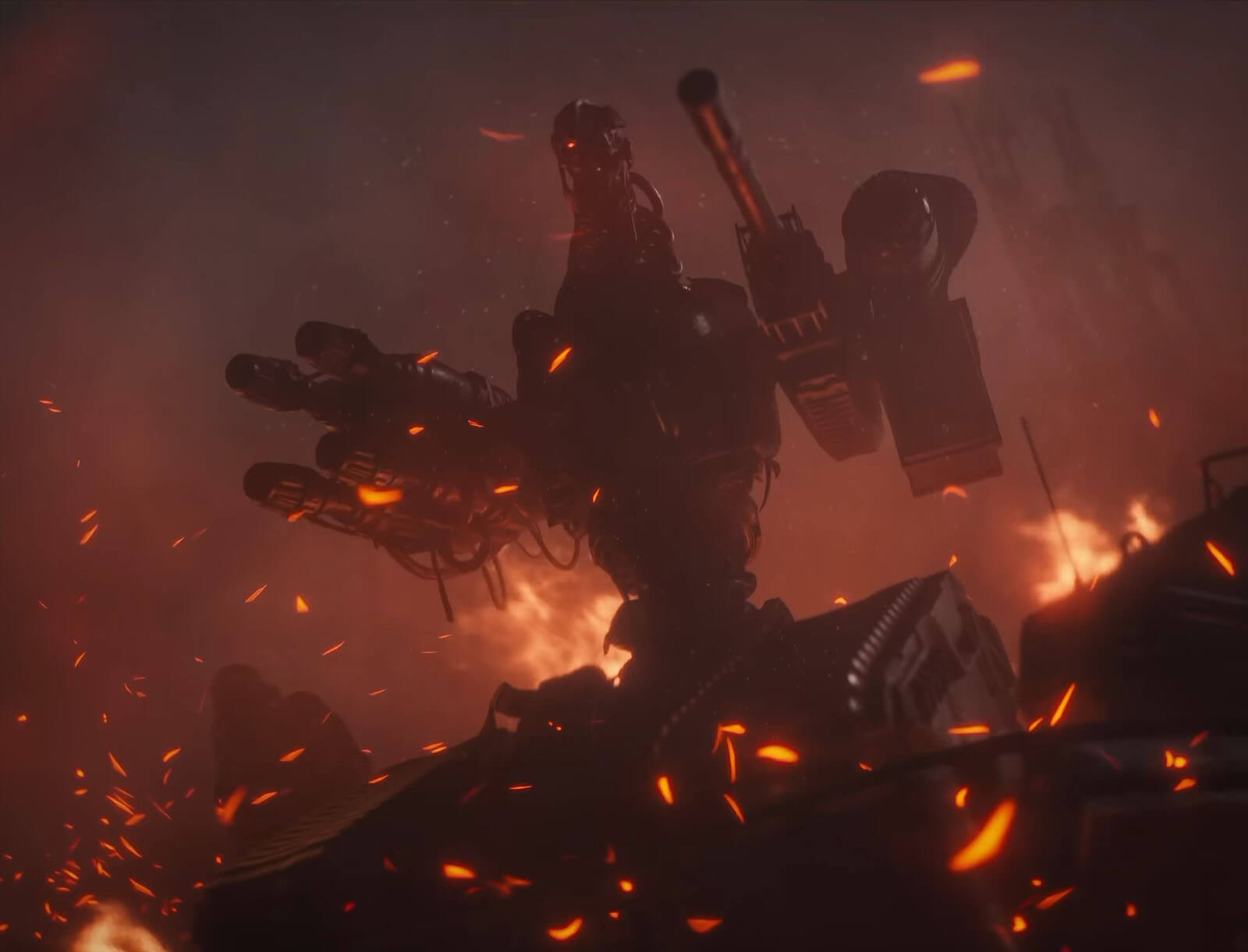
Menace is a fully CG cinematic produced for Overhype Studios and their tactical RPG of the same name. Our goal was to give the game’s world a more cinematic treatment, allowing the film to move beyond the game’s visual language and feel closer to a short film.
The project’s art direction was led by Syama Pedersen, who also directed the cinematic and created the storyboard. Known for creating Astartes, he provided a strong creative foundation for the film.
The production followed a familiar CG workflow 100% made by Hoplite Studio. We used Maya for modeling, rigging and animation, adapting the game’s 2D concept art into 3D assets. Substance 3D Painter was used for texturing, while Houdini handled the FX work. Lighting and rendering were done in Blender, which helped us keep render times under control.
The final images were composited in Nuke, then edited and color graded in DaVinci Resolve. A dedicated sound artist handled the sound design.
Around a dozen artists worked on the project, using a range of software across the pipeline. Prism kept the workflow connected, while its integration with Kitsu supported production tracking and coordination across the team.
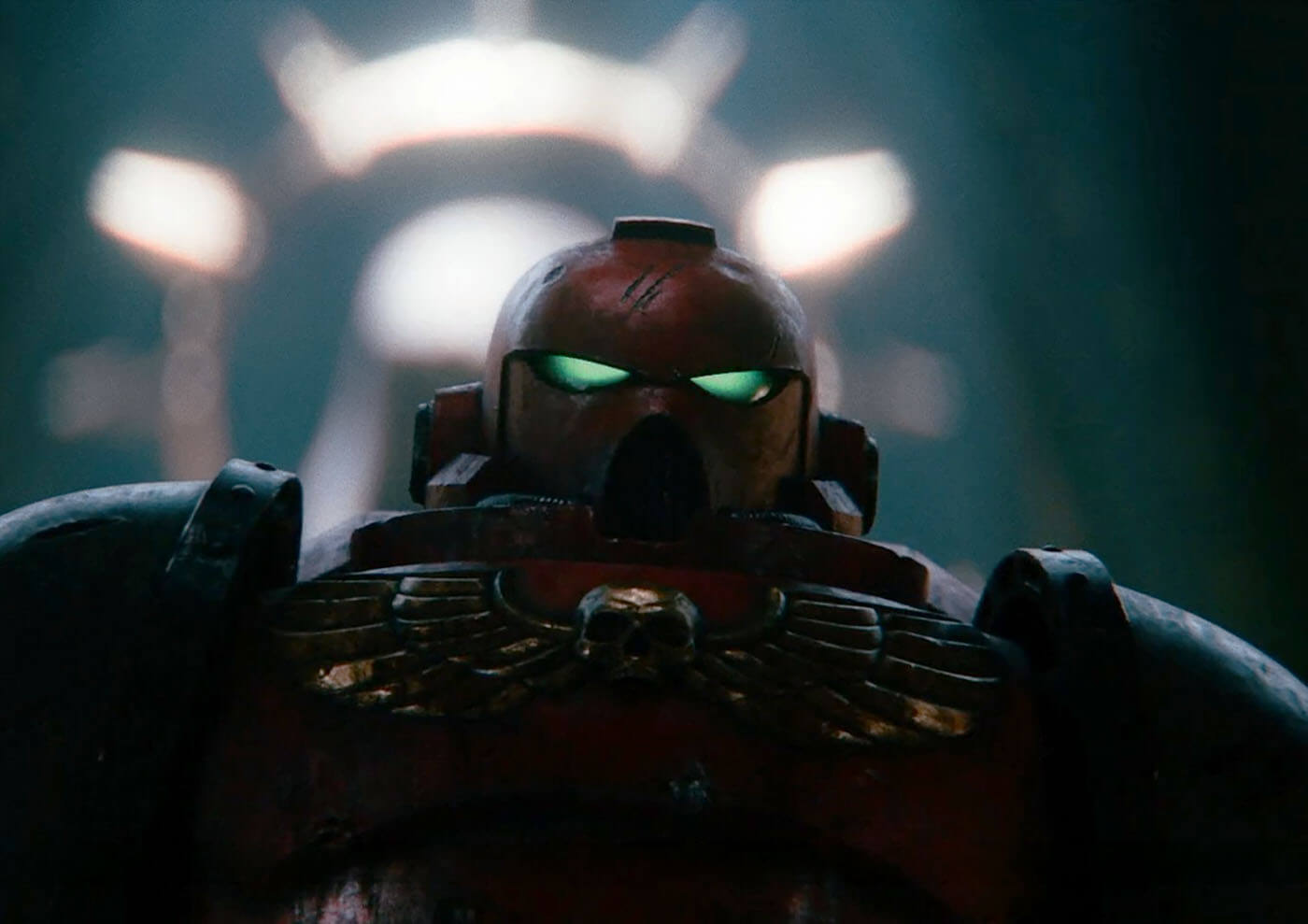
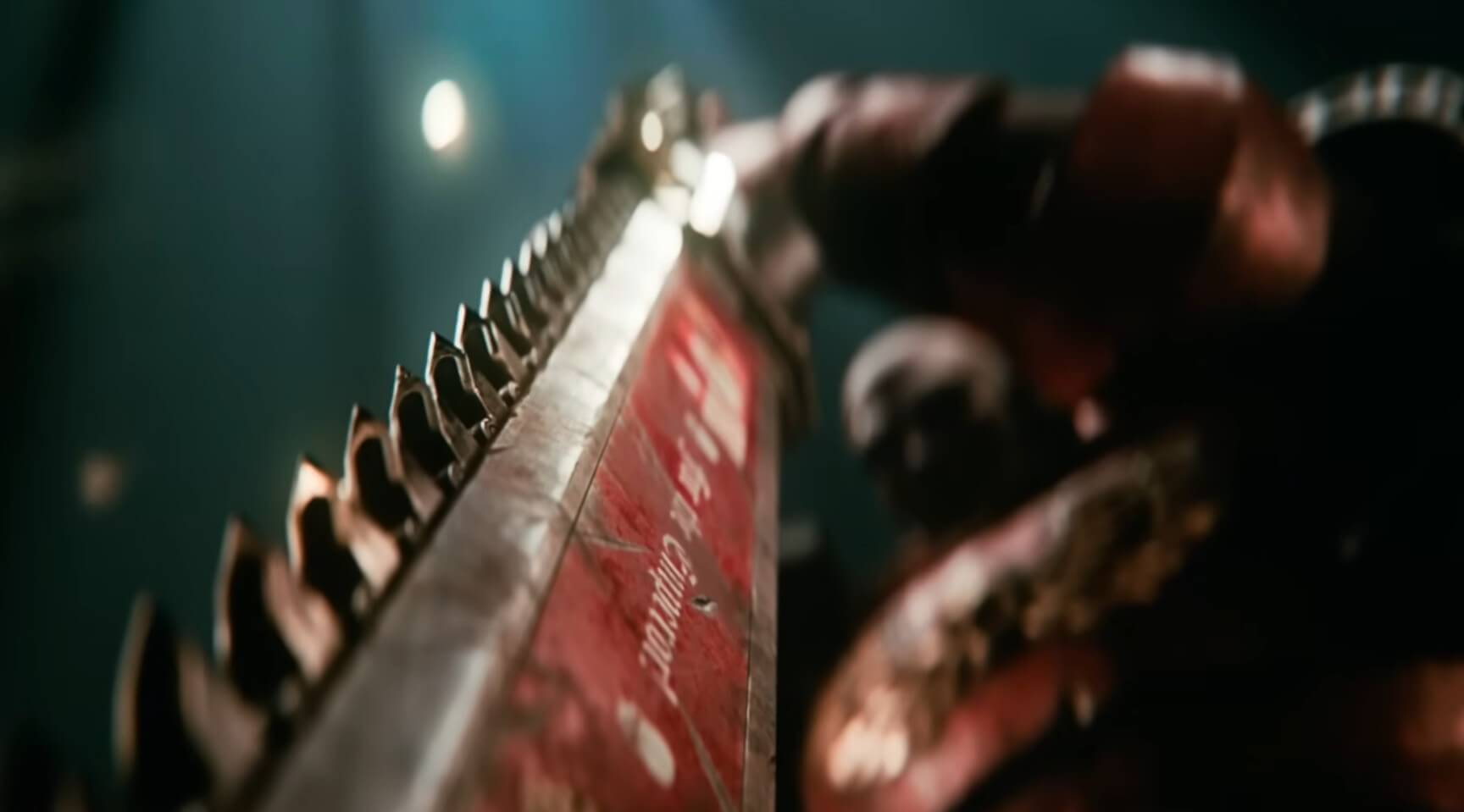
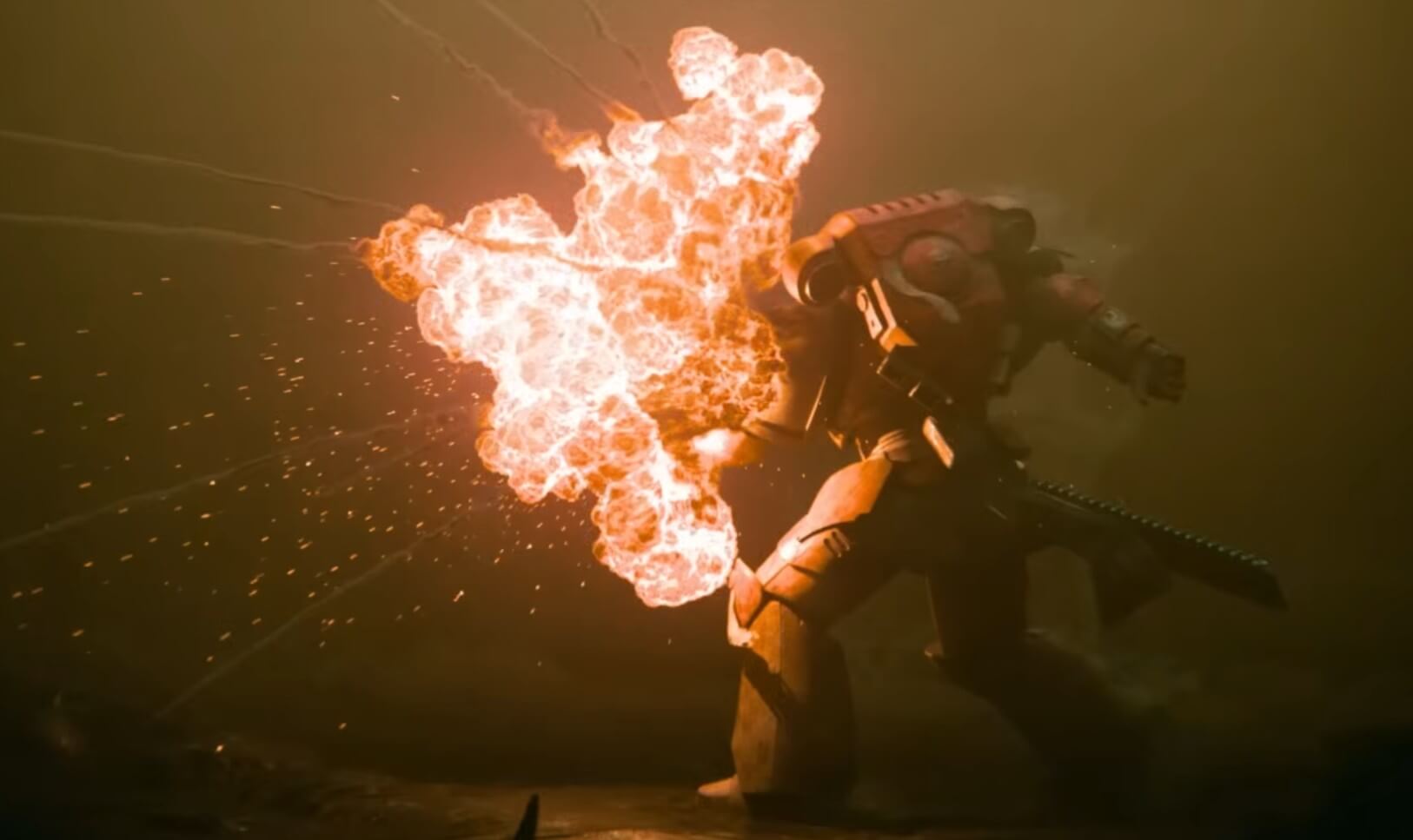
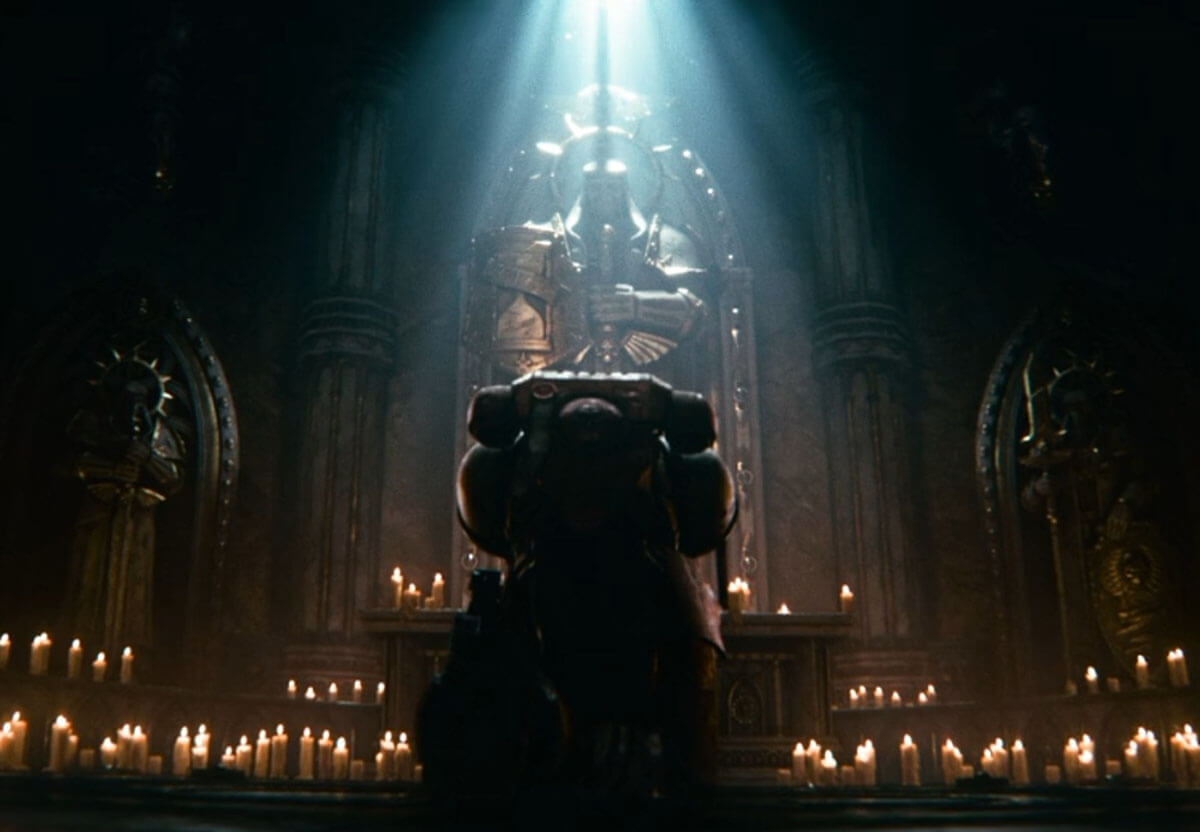
Right from the founding of HIGHWAY, we had a goal to tell stories through CG animation and break into the industry that had inspired us when we first started our careers. Game cinematic trailers were the niche we wanted to pursue, but as time went by, we realized how difficult it was to land that first gig and earn the trust of companies that own some of the most beloved worlds and characters in the world.
So, we set out on a mission to create an in-house tribute cinematic trailer for one of the most widely recognized and cherished franchises in the universe: Warhammer 40,000 by Games Workshop.
We wanted to create a visually compelling piece that would demonstrate HIGHWAY’s motivation and capabilities to execute projects of this complexity. Establishing the foundation of the script and building the characters as faithfully as possible to the originals were the first goals in our plan. However, we did make a few changes to the Ork design in the film to reflect our own artistic preferences.
Once the characters were built in ZBrush and textured in Substance 3D Painter, the animation was keyframed in Maya, while the explosion effects and other atmospheric elements were created in Houdini.
Having a reliable and easy-to-use pipeline management system is absolutely crucial when handling projects of this scale, and that is exactly where Prism comes in. Our lives have become much easier and less stressful since we implemented it in-house, because we believe in staying organized in every aspect of running our studio. Being able to easily track how files are managed and shared across departments gives us peace of mind, especially when there are so many other things to keep track of during production.
The scenes were assembled and rendered in Blender using a USD workflow, which is another advantage of using Prism. Compositing was done in Nuke, with the final color grading completed in DaVinci Resolve.
The title of the film, Forging the Way, symbolizes the journey we are on as a studio. We are navigating a highly competitive global industry, striving to prove ourselves and gain recognition despite coming from Georgia, one of the world’s smallest yet oldest countries.
Last but not least, this project would not have been possible without the handpicked artists at HIGHWAY, who poured their hearts and souls into every pixel on the screen. All credit goes to: Rati Managadze, Lela Davadze, George Ketselashvili, Lasha Zoidze, Irakli Ghariba Jr., Teko Tarashvili, Giorgi Javakhishvili, Luka Jgharkava, Davit Sakhvadze, and Levan Lapachi.
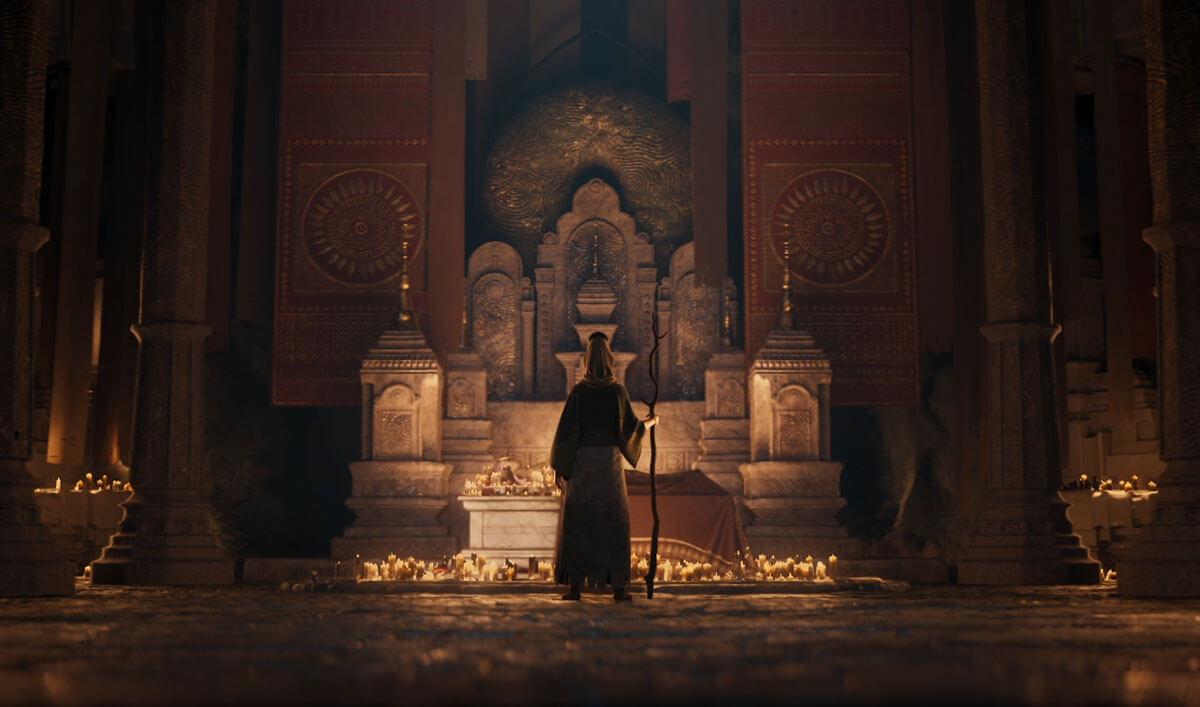
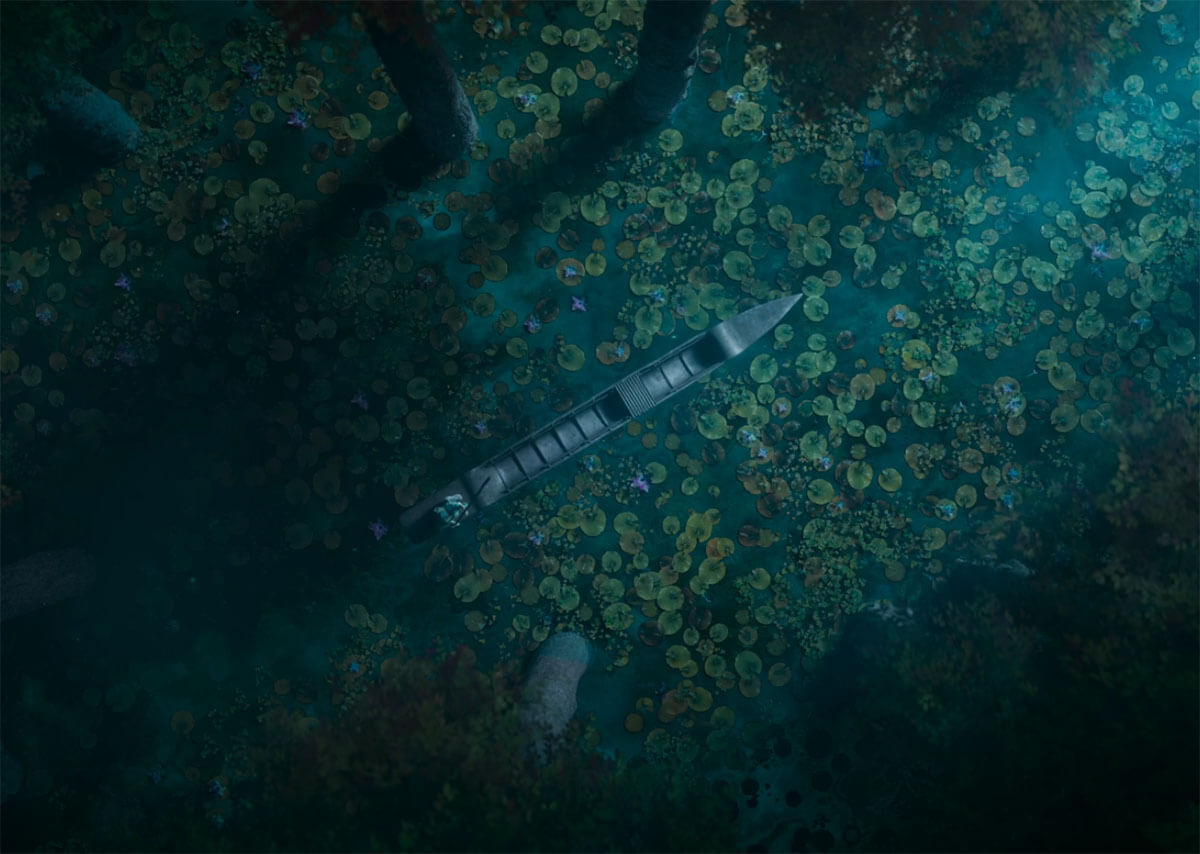
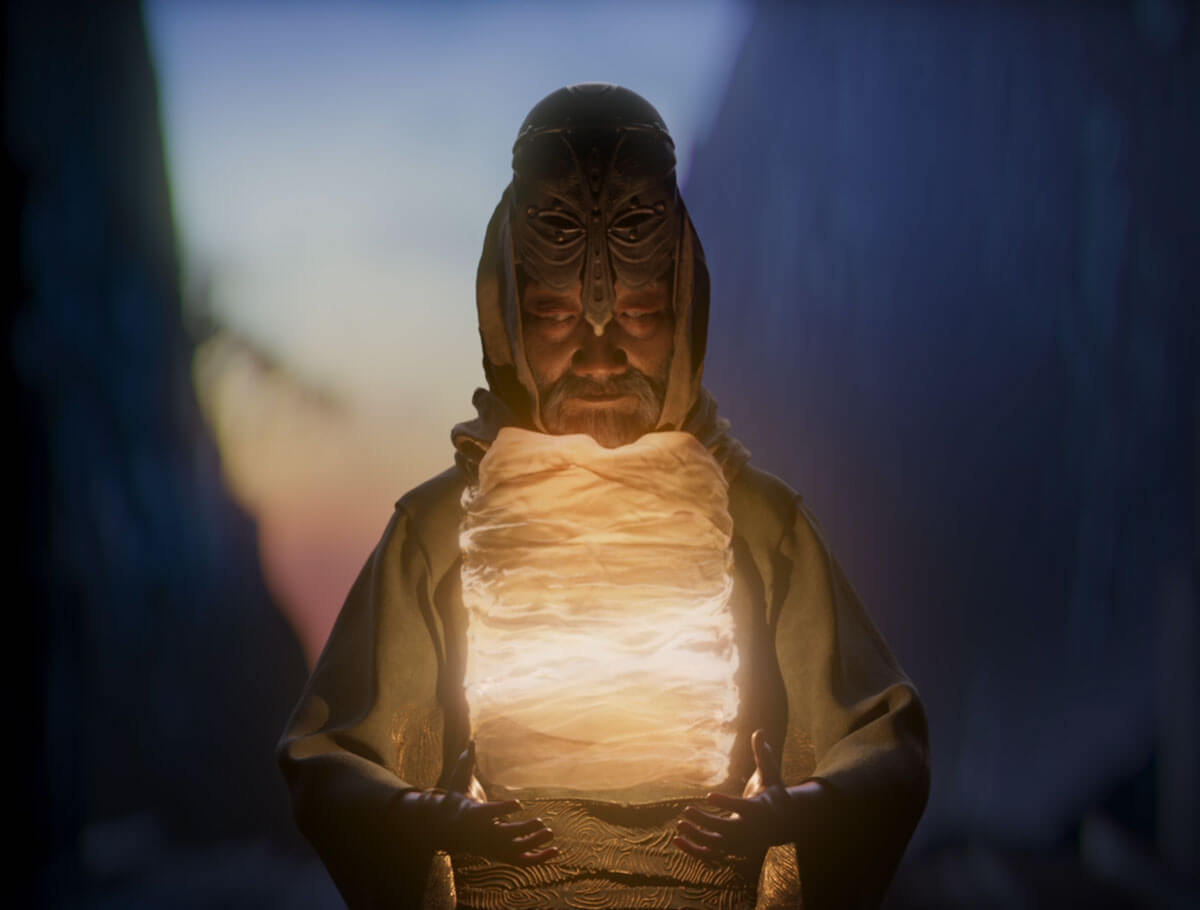
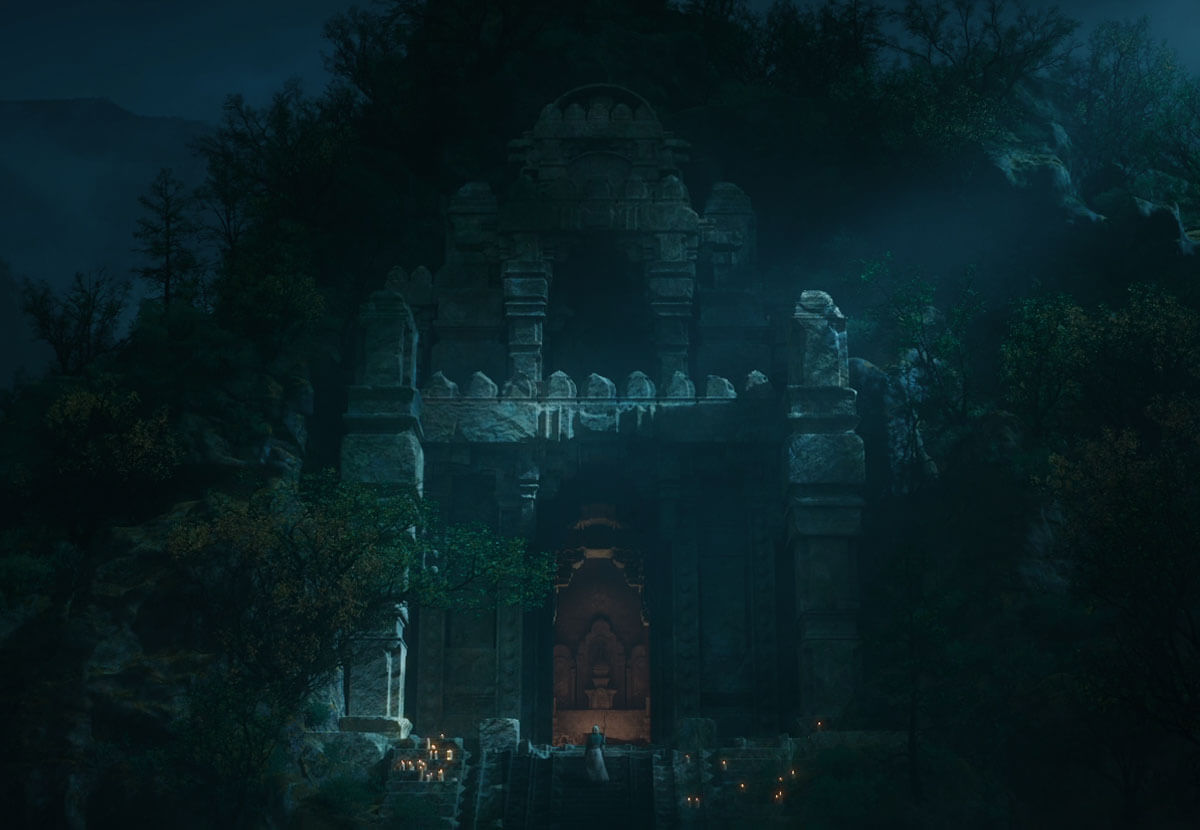
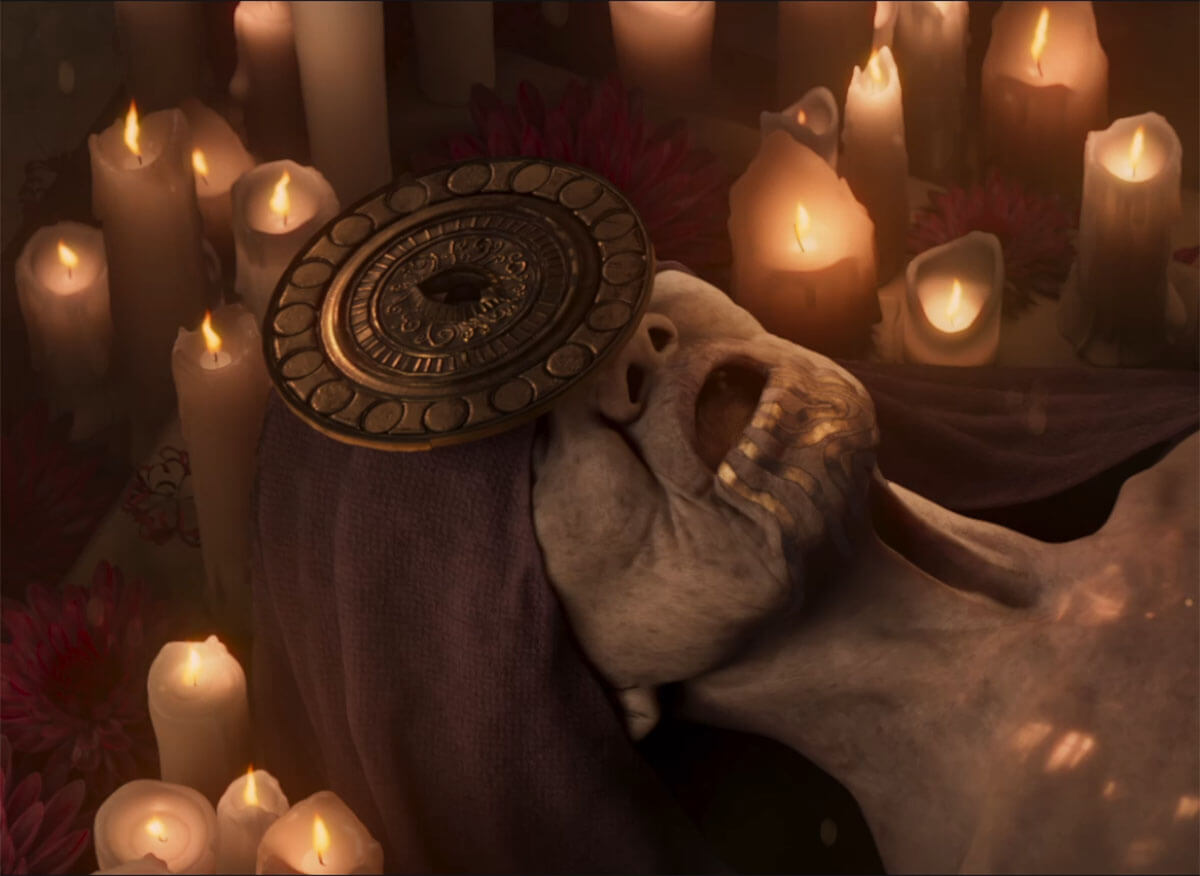
Quand Vient l’Aube is a dreamlike and contemplative project in which we sought to illustrate the duality between life and death in various ways – through architecture and nature, as well as through the interplay of light and shadow.
Synopsis : In the heart of a remote mountain village, an old woman passes away. A shaman ventures into the forest to perform a ritual at the temple, guiding the soul of the deceased to the afterlife.
This is a student project completed during the Master’s program in 3D Special Effects (VFX) at Isart Digital Paris. We were a team of six people : Andrei Le Mézec, Tom Perriche, Elodie Mauriol, Mathilde Gillard, Léa Rodriguez, Quentin Perier and we had a year to make the film – from directing and writing to all the special effects.
We decided to use the USD Workflow because we had a large number of assets across our various environments and this workflow was very fast and efficient for our project.
Used software:
- Houdini Solaris with Arnold for Lighting / Shading / Rendering / Assembly.
- Maya for Rigging / Animation / Modeling.
- Substance Painter / Photoshop for Texturing.
- Houdini for the FXs and CFX.
- Nuke for Compositing.
- Kitsu for Production Management and Prism for the Pipeline.
- We did motion capture for some shots with Perception Neuron.
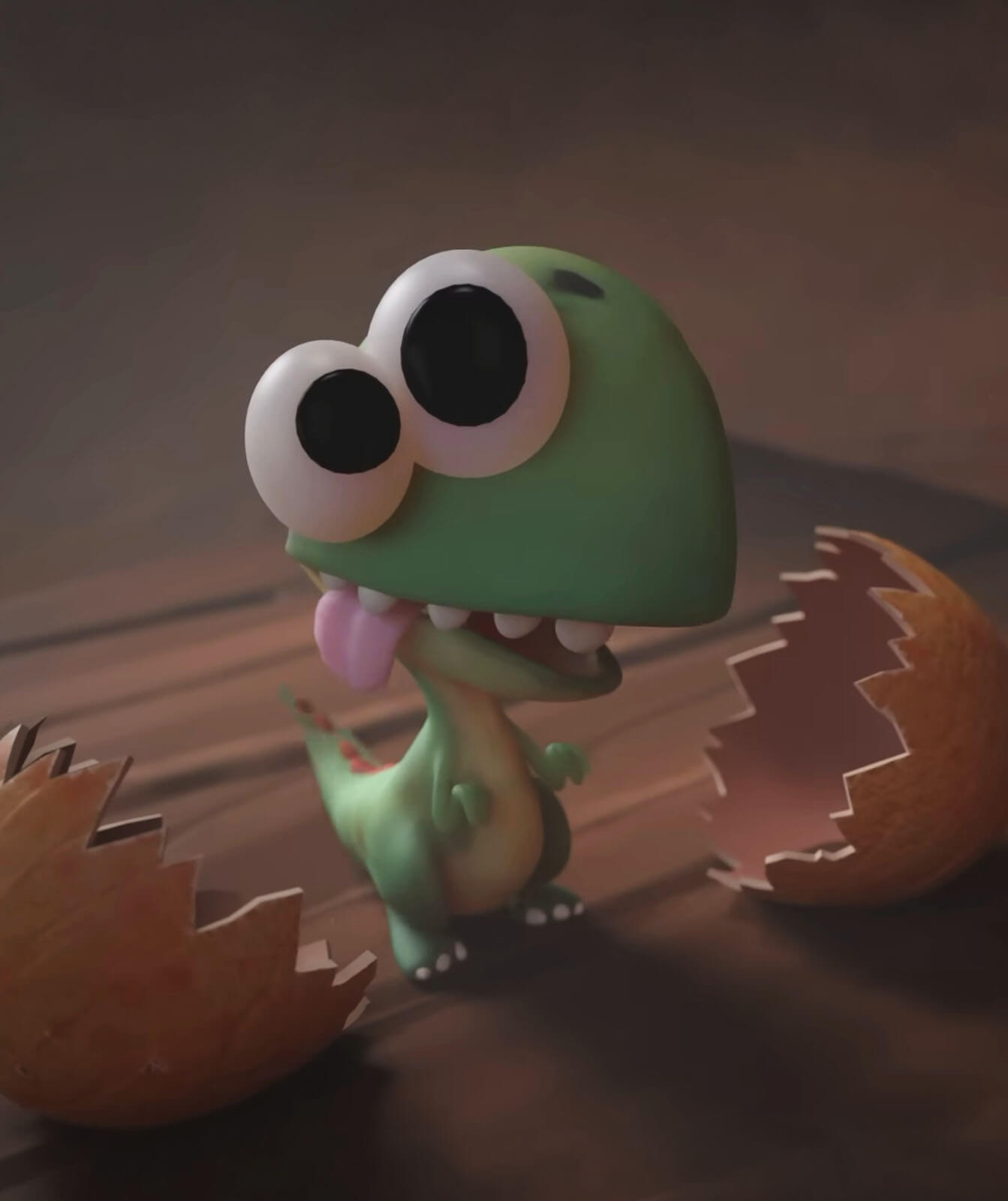


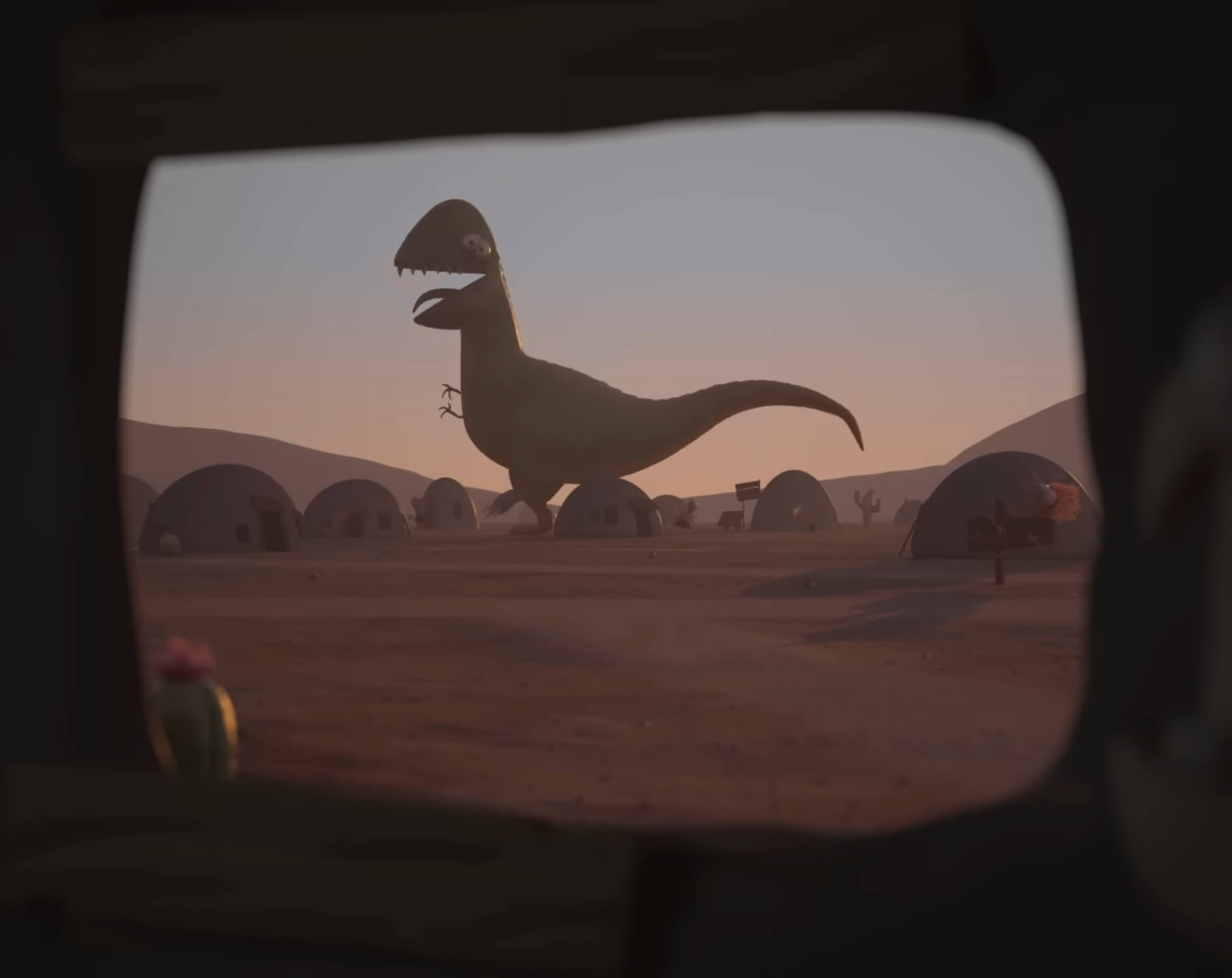
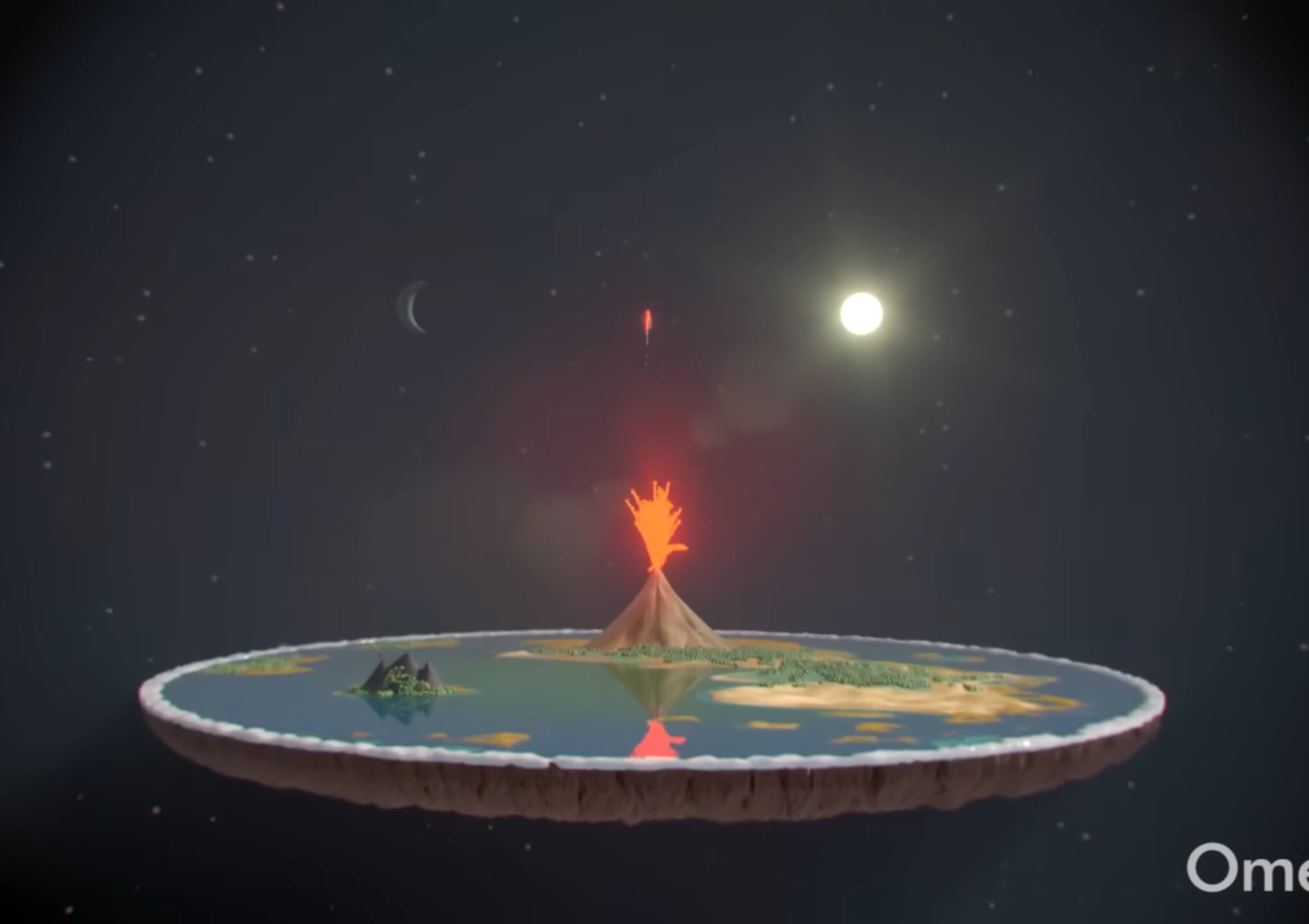
God is a single parent and amateur programmer testing Multiverse Beta 2.0. He’s working on project “Earth” but never seems to get a break from the kids. One day though, he finally gets a breakthrough.
Maya was used for layout and rigging. ZBrush for models and textures. Redshift for rendering. Houdini for final scene assembly, procedural lookdev, fx, cfx and lighting. Using Prism all the way through. The first version of the Prism-ZBrush integration was developed during this project and beta tested by Tumblehead.
Directed by:
Magnus Møller
Mette Tange
Peter Smith
Story:
Magnus Møller
Adam Lawthers
Mads Juul
Mette Tange
Peter Smith
Supported by:
The Animation Workshop
VIA University College
Made with:
Artella | Create Together
Consulted by:
Bobby Beck
Music and Sound:
Thomas Richard Christensen (Audio Gangster & Upright Music)
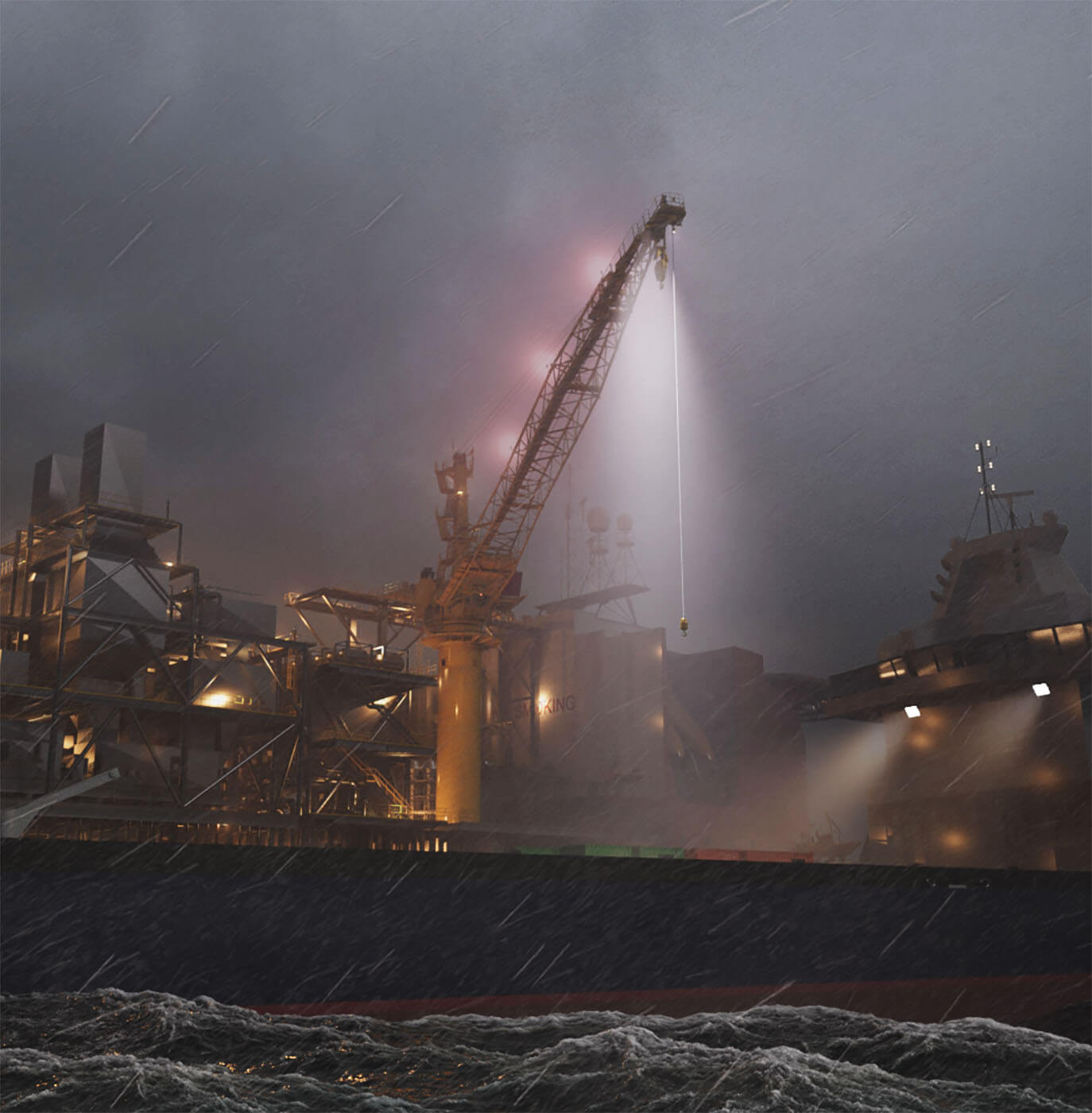
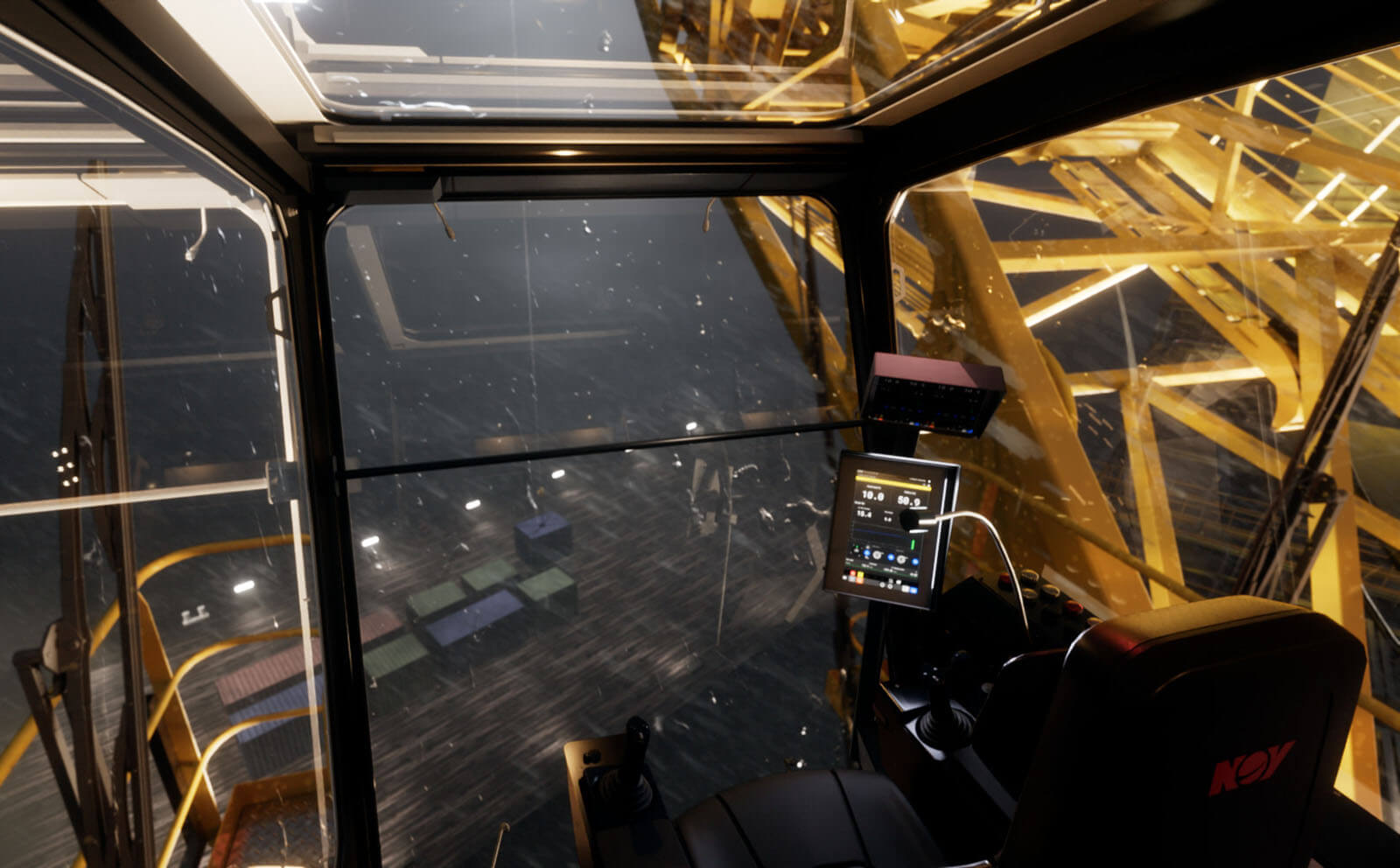

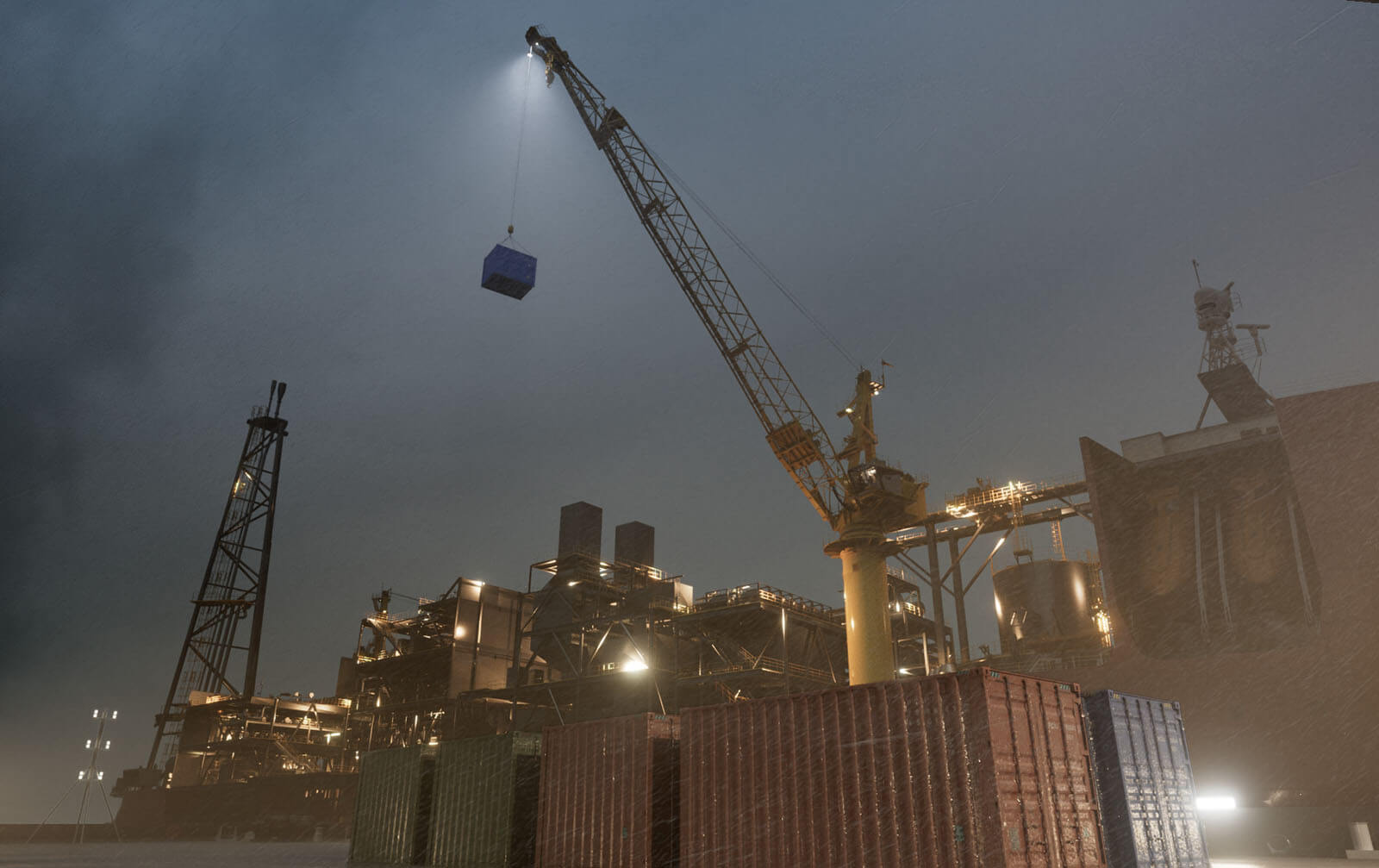
We’re a small in-house animation team at NOV, and the Lattice Boom Crane animation was a short marketing piece for NOV’s new cranes, designed for rough offshore conditions.
It was one of our first projects using the Prism Pipeline, which made many of the typical challenges we face in production much easier to manage.
Over the last few years, our in-house animation team has moved from a 3ds Max “one person, one project” workflow to Houdini, OpenUSD, and a team-based pipeline. That was a lot of change in a short time, and the Lattice Boom Crane animation put it all to the test. We imported complex CAD models into Houdini and Solaris, where they were rigged and animated before being set up for final rendering.
With Prism supporting our USD-based pipeline, production and file management flowed more smoothly. When the client requested changes or supplied updated CAD models, we could update each asset in one place. The production scenes would then use the latest versions, while rigs and animations carried over.
Tools used:
Houdini FX and Nuke
Rendered with: Karma XPU
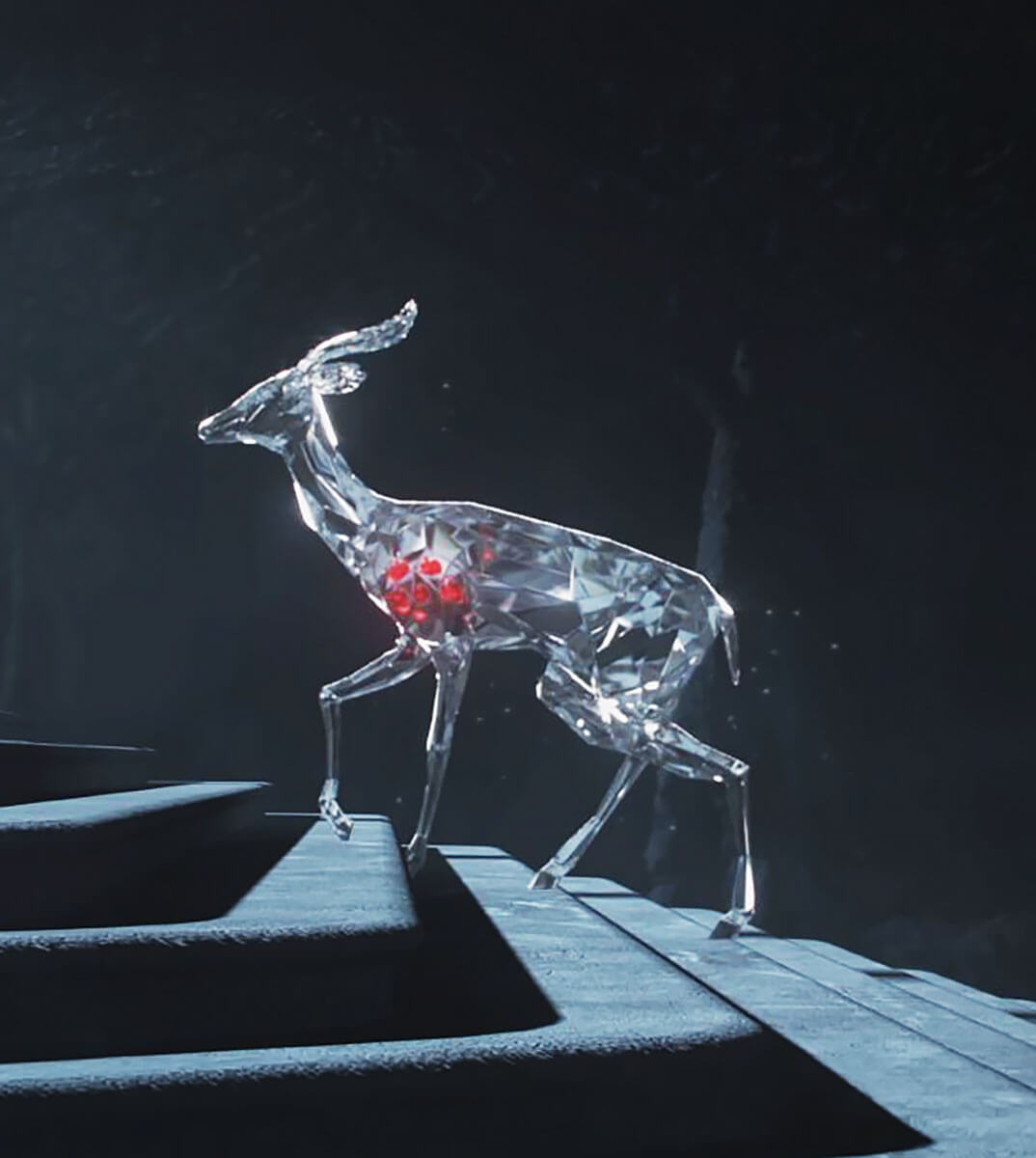
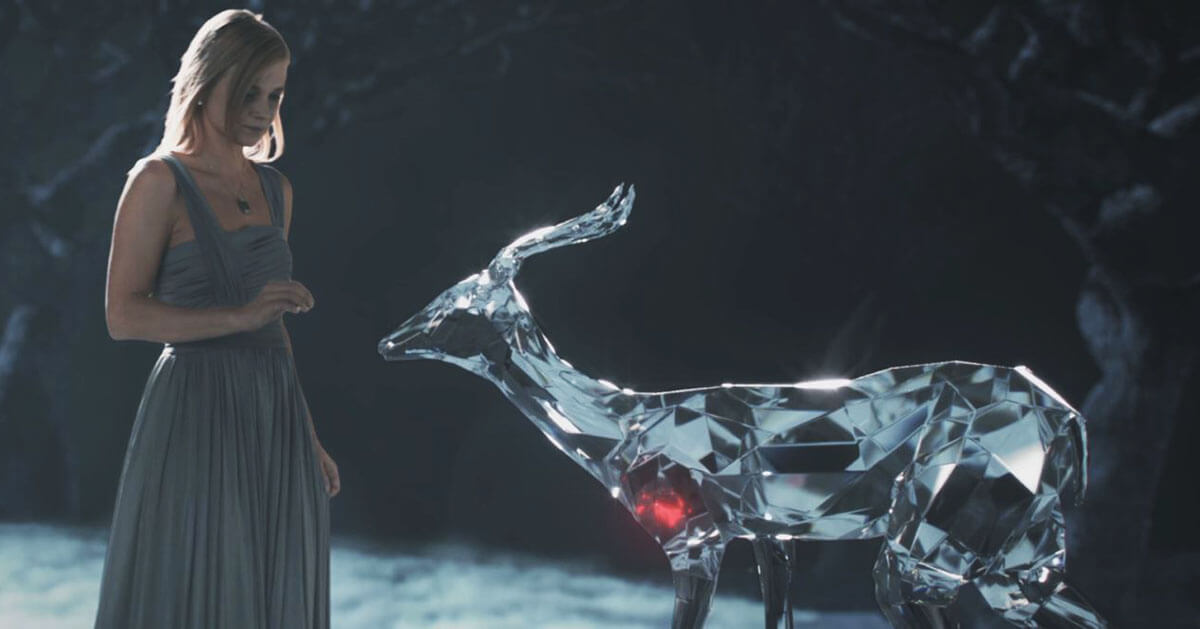
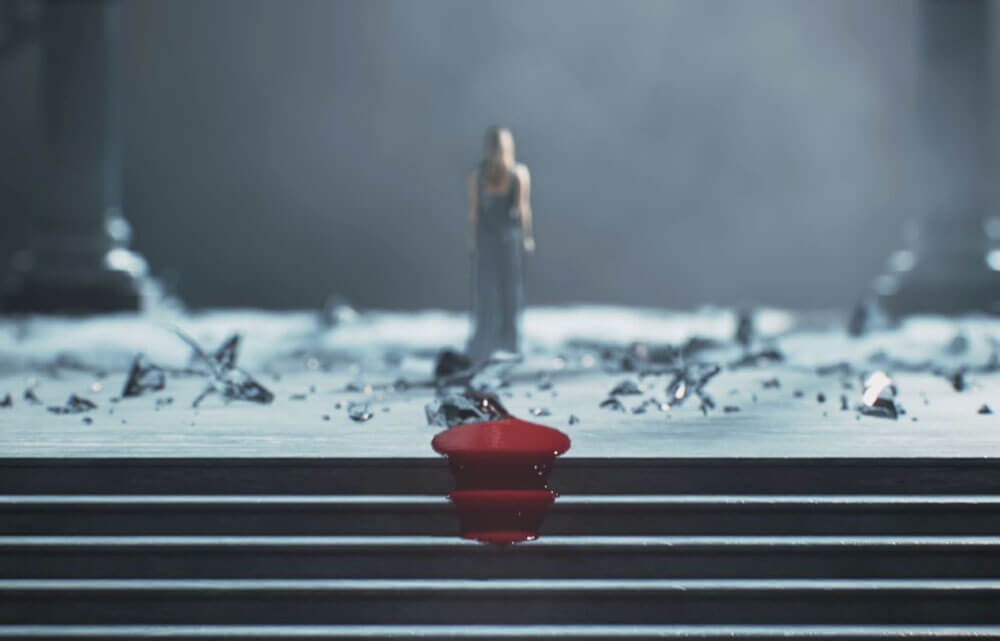
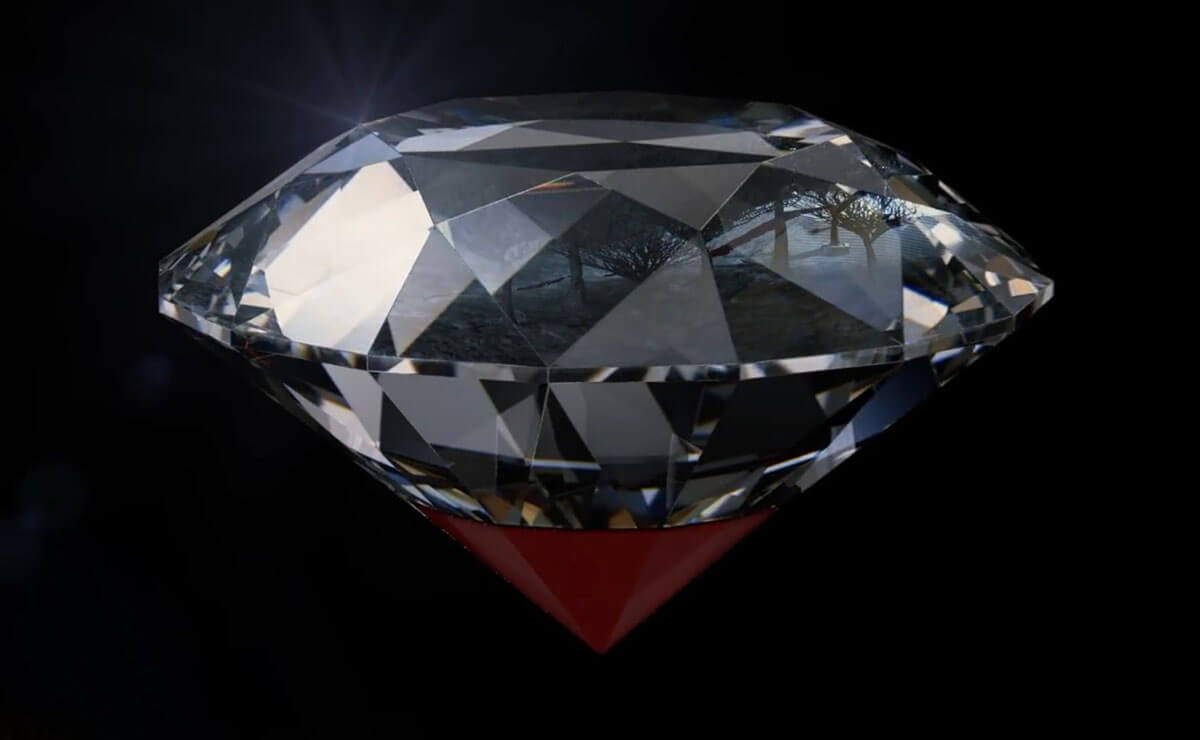
Reflection was the very first project in which Prism was used. Long before the pipeline even carried the name Prism.
Therefore, this short film had a big influence on the early development of Prism and helped to validate several initial design choices, many of which still exist 9 years later in the current version of Prism.
The short film was produced as a 5th semester project at Hochschule Darmstadt, Germany. The synopsis of the film goes as follows:
“The Western World is guilty of exploiting the African population day by day. One cruel paradigm of this exploitation is the highly sensitive issue of ‘Blood Diamonds’; diamonds mined in Africa which financially support acts of violence and war.”
The previs of the film was created in 3ds Max before the green-screen shoot. The antelope was modeled in 3ds Max, rigged and animated in Maya and then brought back into 3ds Max for lighting and rendering using V-Ray. The smoke was simulated using FumeFX in 3ds Max and Houdini was used for the blood fluid simulations and RBD simulations. The FX caches were then exported as Alembic files to 3ds Max for rendering. The displacement on the environment during render time posed a big challenge for the available hardware at that time (32 GB RAM).
Several AOVs were rendered out and composited in Nuke.
Even though Prism had only very basic features at that time, it already managed the scenefile versioning, data exchange between all the DCCs and job submissions to the renderfarm. Dropbox was used to sync the project files and allowed the team to work from an office as well as remotely from home. This flexibility and ease-of-use remained crucial in the development of Prism to this day.
Created by:
– Richard Frangenberg
– Manuel Köster
– Yasmin Mushtaha
– Roman Bergen
with additional help of many others as mentioned in the credits.
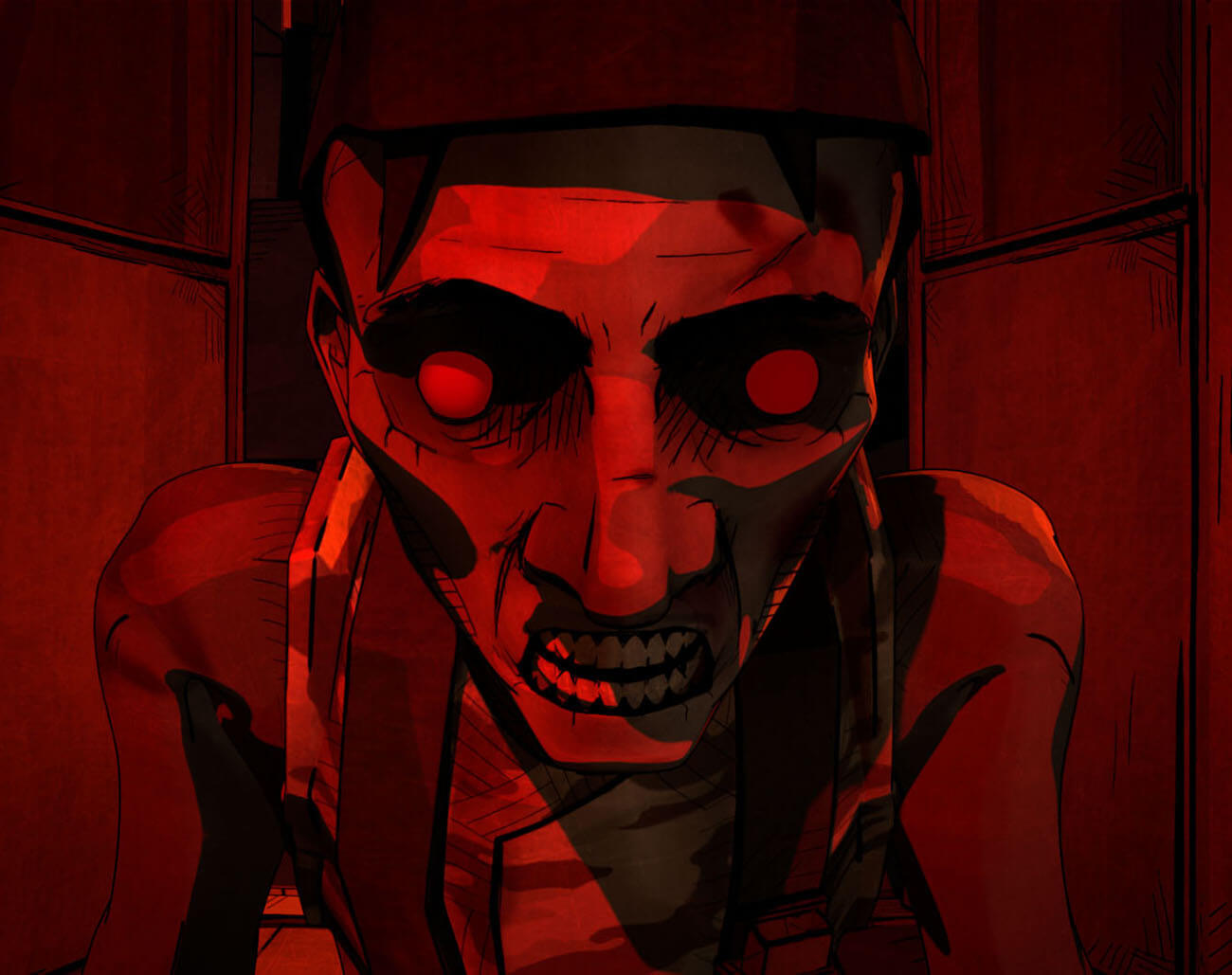
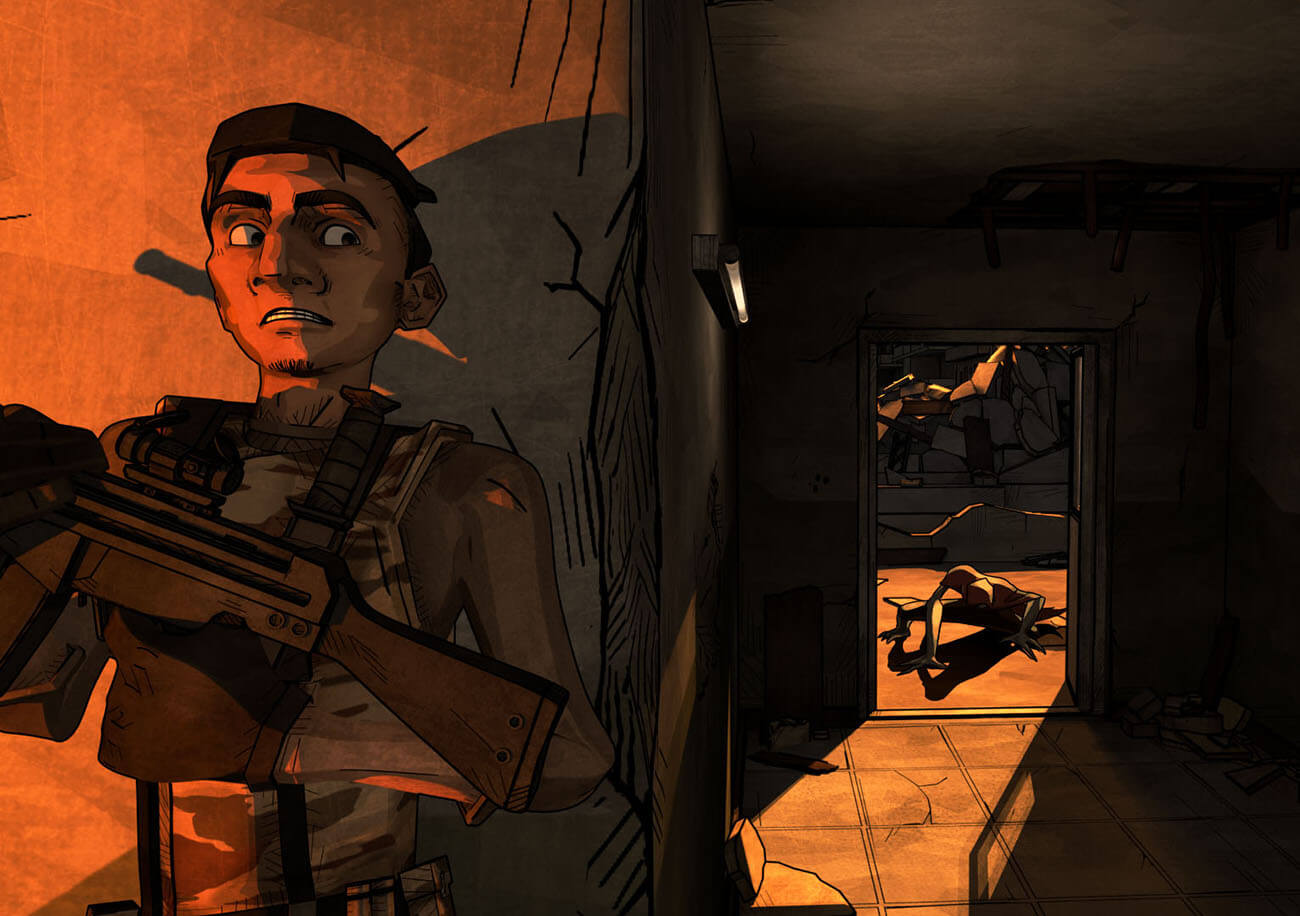
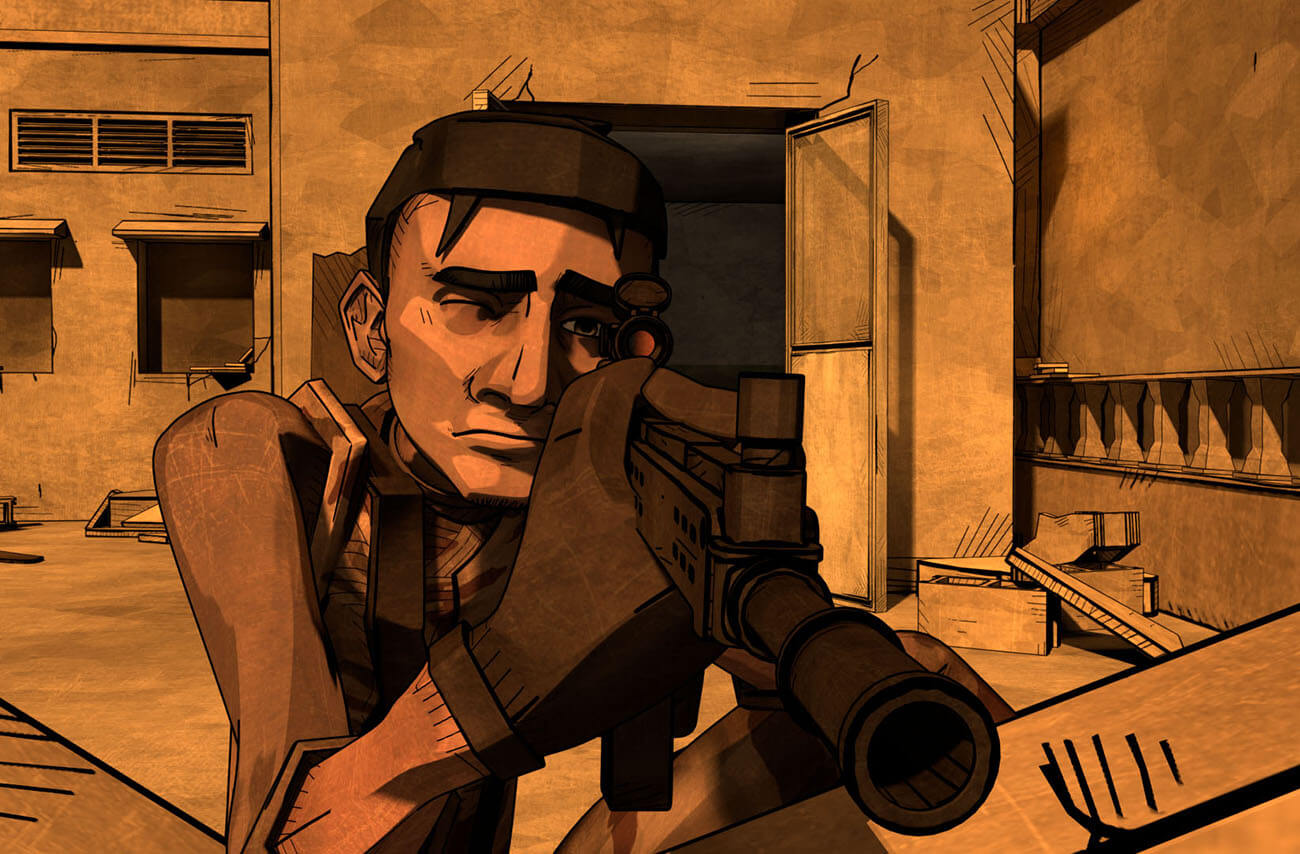
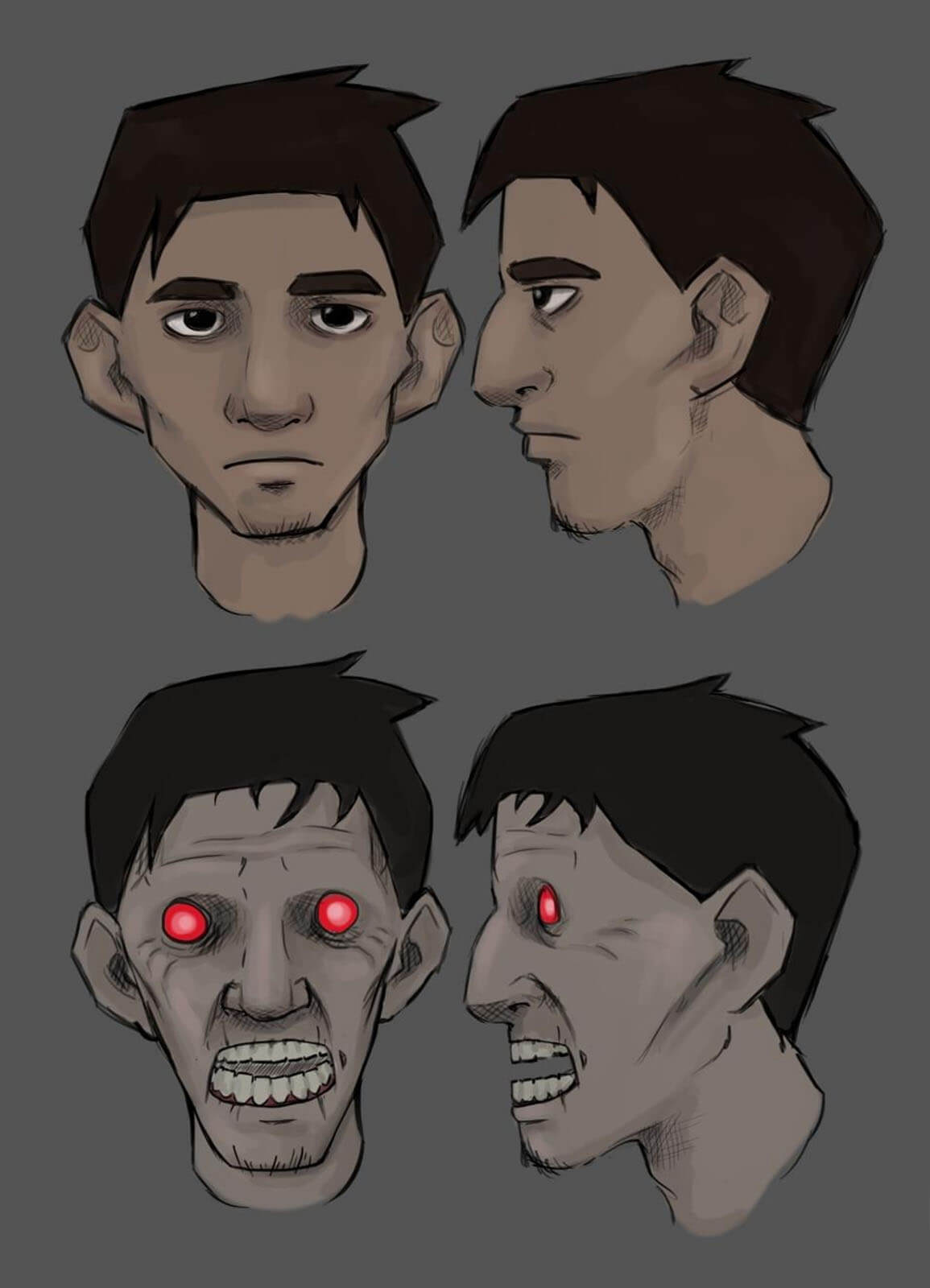
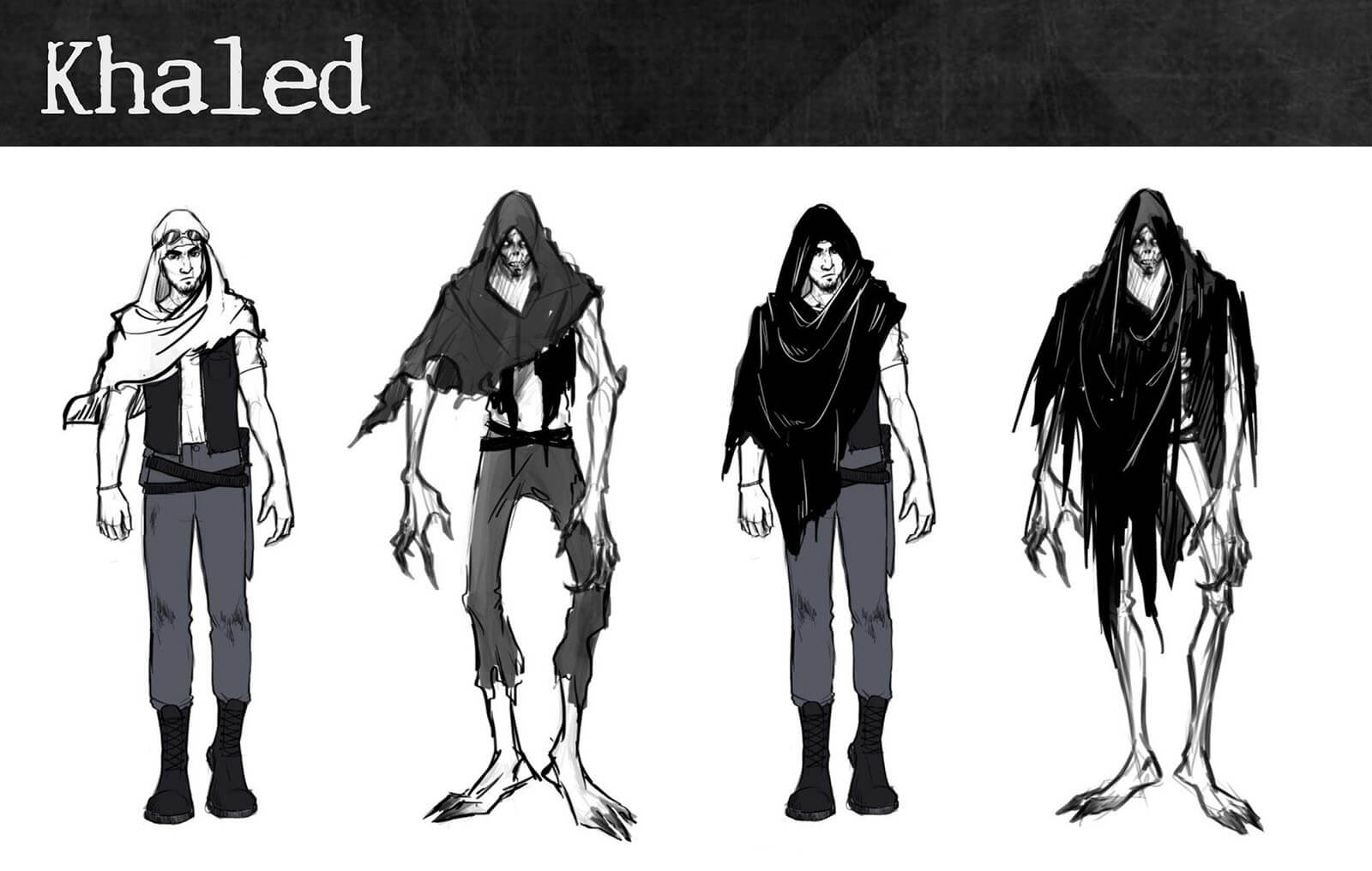
War leads to dehumanization. A young inexperienced soldier gets dominated by the war until he finally loses his humanity.
Said is an inexperienced young army recruit located on a rooftop – the last survivor of his unit. The main battles in the region have ended, only occasional weapon fire can be heard in the distance. Cowering behind a small wall, Said scans the opposite rooftops for enemies.
Suddenly, he sees a terrible creature scurrying across the opposite rooftop. Said pulls his weapon and tries to target the creature, but he is overcome with fear and flees through a roof terrace inside a house. The creature follows him into the house, where a fight ensues. Said’s weapon is knocked out of his hand and he falls to the ground. As a last resort Said pulls his knife and injures the creature so that she goes to the ground. The violence in Said takes over and he chokes and hits the creature several times until she lies lifeless on the ground. After his outburst of violence Said sees a dead rebel in front of him. Said suddenly sees himself in a mirror reflection and realizes that he has become himself a horrible creature.
The project’s main challenge was creating a mixed 2D/3D animation featuring a fight scene between a 2D and a 3D character, while keeping the stylized look readable and integrating the 2D elements seamlessly into the 3D world.
On the technical side, TVPaint was used for storyboarding and 2D animation, Maya for 3D animation, rigging, and modelling, and Blender for character modeling, scene layout, shading, lighting, and rendering. After Effects handled compositing to bring all elements together. The entire project was stored in the cloud (Dropbox) and managed through Prism Pipeline.
At the time, Prism Pipeline was still in early development and not yet publicly available. Alongside the project, the Blender integration was largely developed, including automatically retrieving all render layers and AOVs. Since the fight scene was challenging to review, 2D layers and External Media resources were implemented, making it possible to assemble and review all layers directly from the Prism Project Browser. Additionally, the Maya-Blender import/export workflow was developed during this period. Because cloud storage was limited, a local project folder option was introduced, allowing each artist to choose whether to store data like scenefiles, caches and renders locally, or share them with the team in the cloud.
Core Team:
Isabelle Strobel: Direction, Story Development, Character Design, Storyboard, 2D Animatic, 2D Animation
Konstantin Schorer: Direction, Story Development, 3D Character Modeling, Environment Modeling, Scene Layout, Shading, Lighting, Rendering
Lena Dunsing: Direction, Story Development, 3D Animatic, Asset Production, Texturing, 3D Animation, Compositing, Management
Niklas Schmidt: Direction, Story Development, Previsualization, 3D Animatic, Rigging, 3D Animation
Additional Support:
Richard Frangenberg: Prism Pipeline
Music:
Martin Kühr: Music Composition and Recording, Foley Acting, Recording, Final Mix
Jonathan Rösch: Sound Design, Foley Arrangement, Recording, Final Mix, Mastering
Gabriel Arlauskas: Creative Assistant, Foley and Voice Acting, Recording, Final Mix
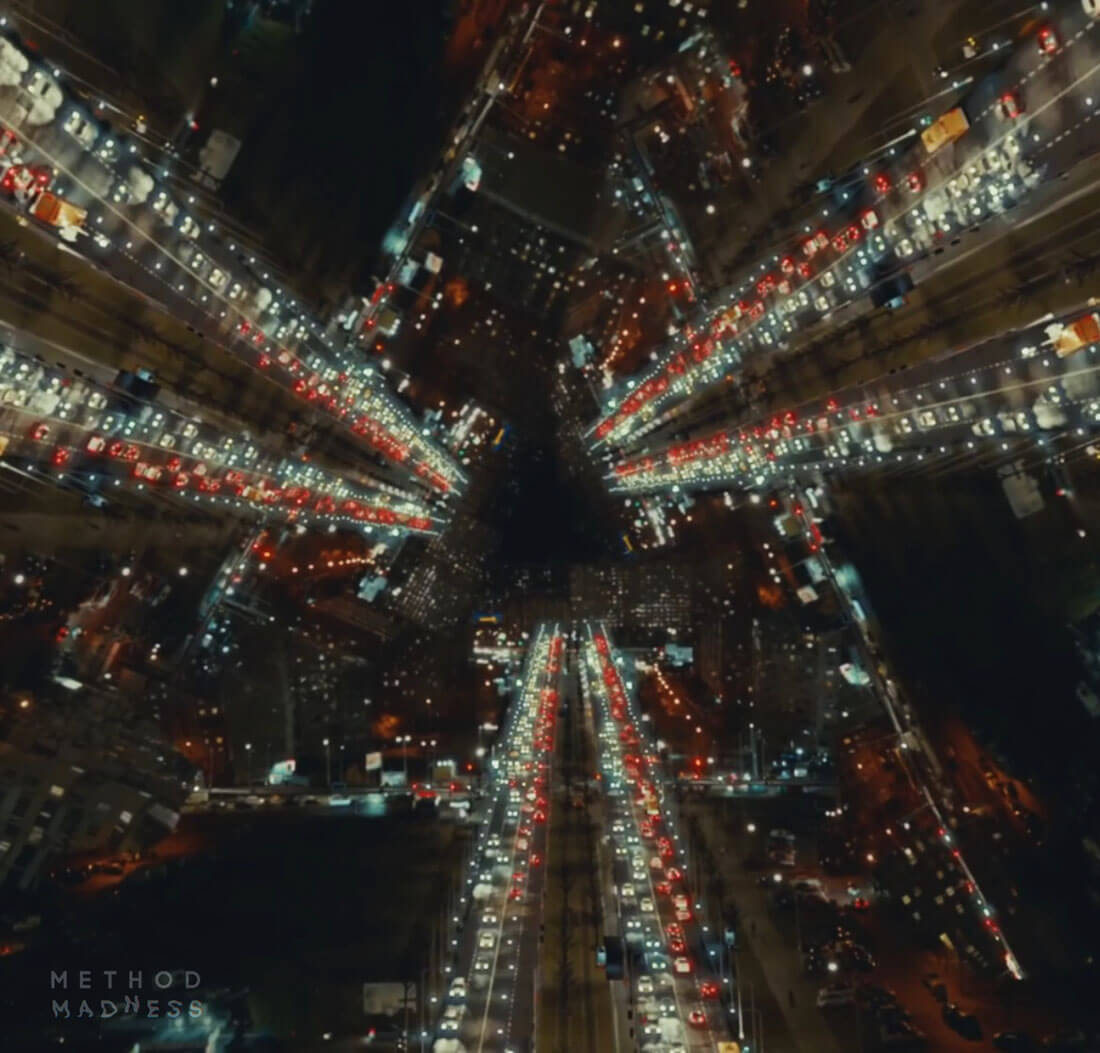
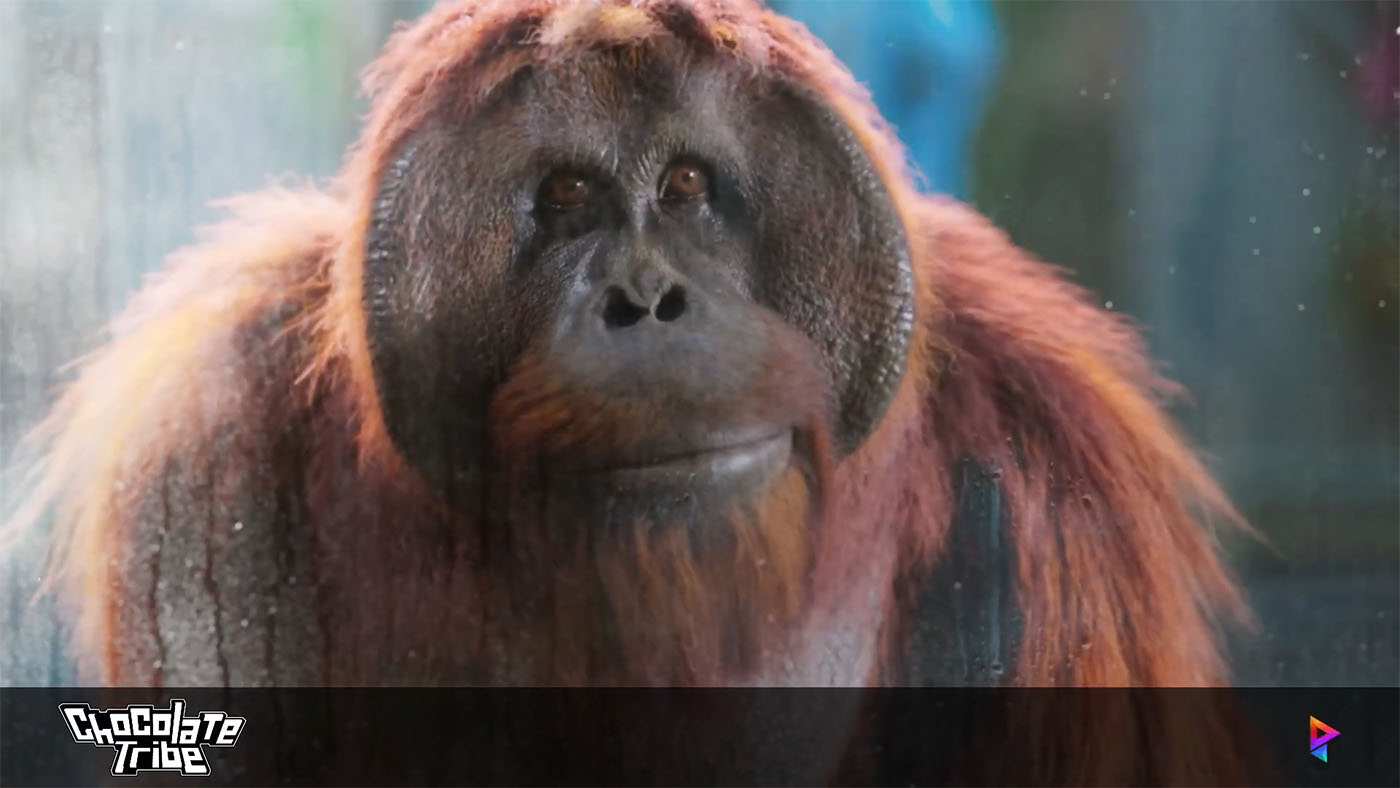
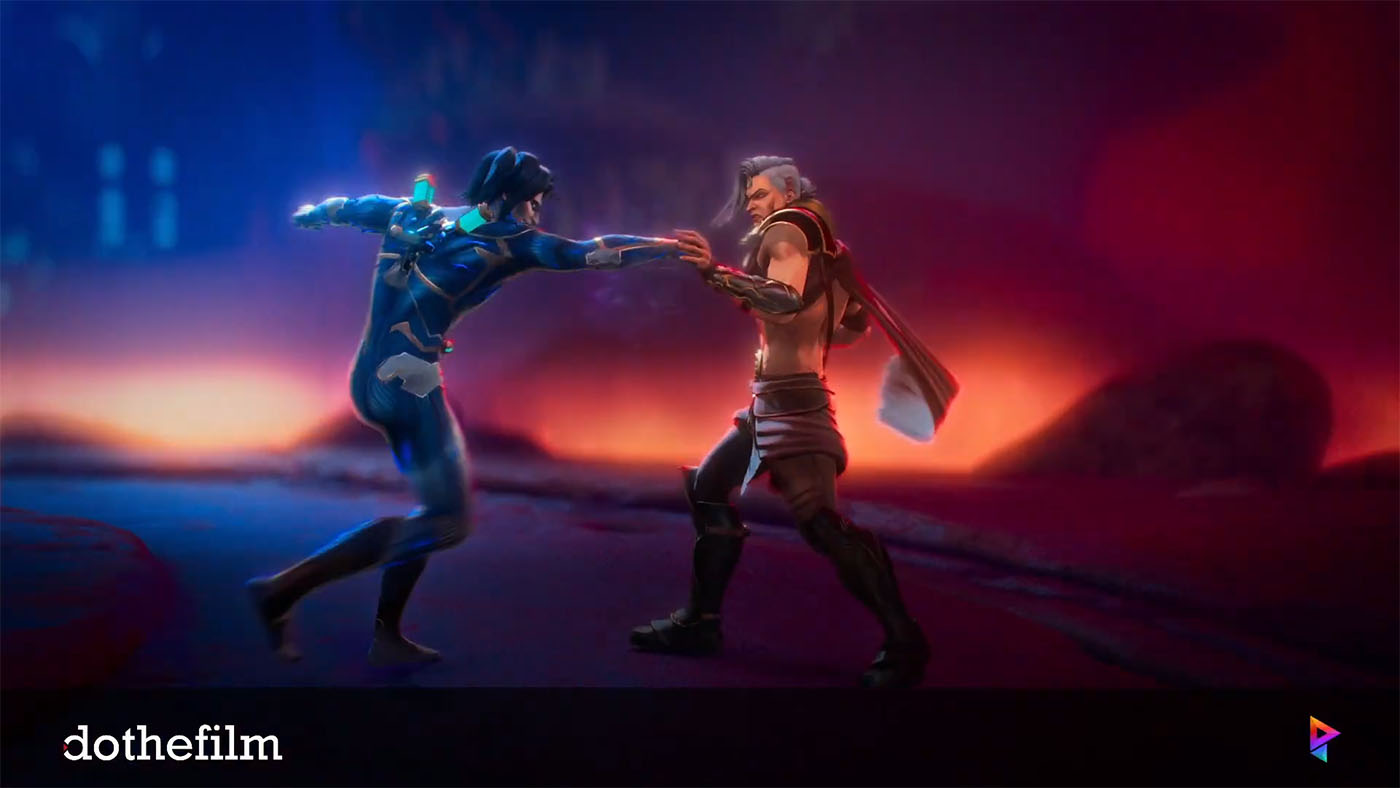
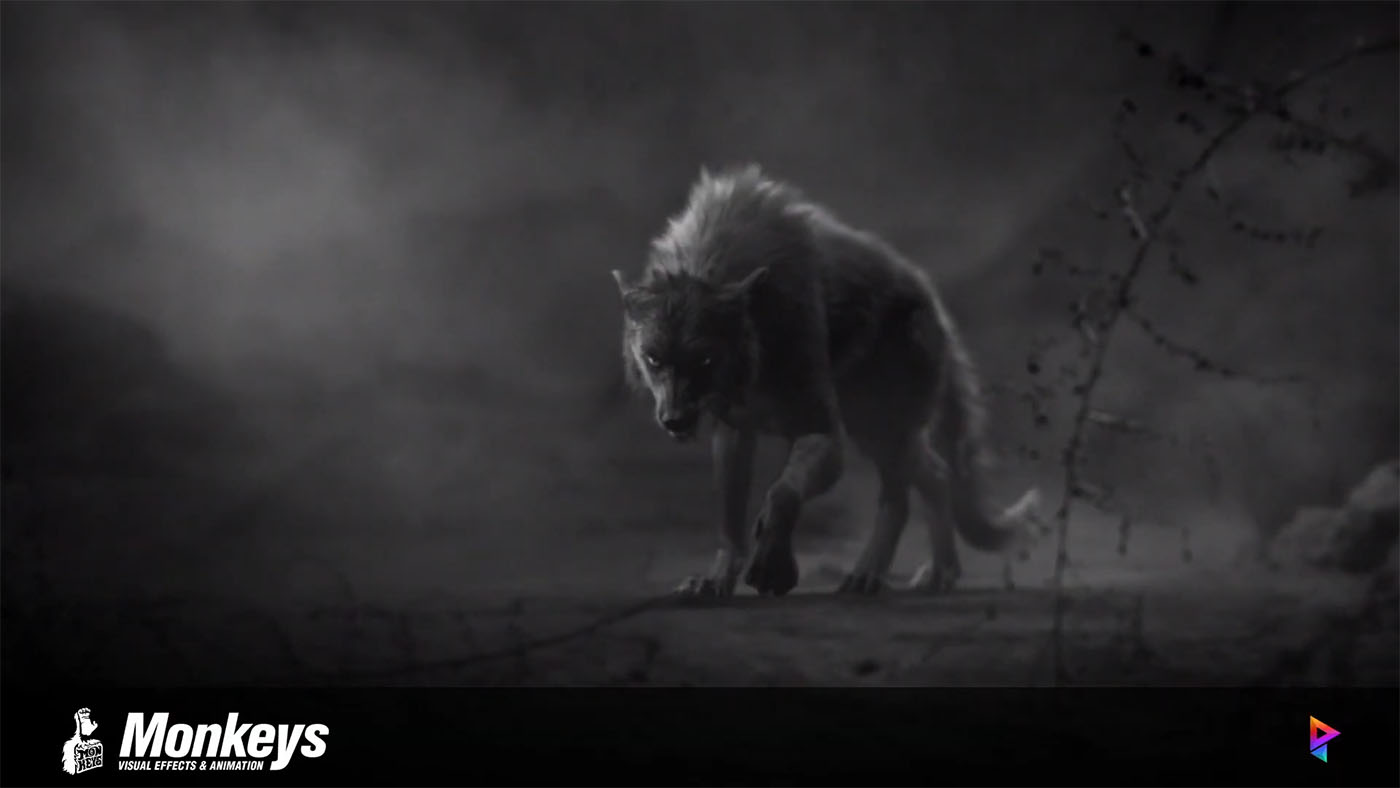
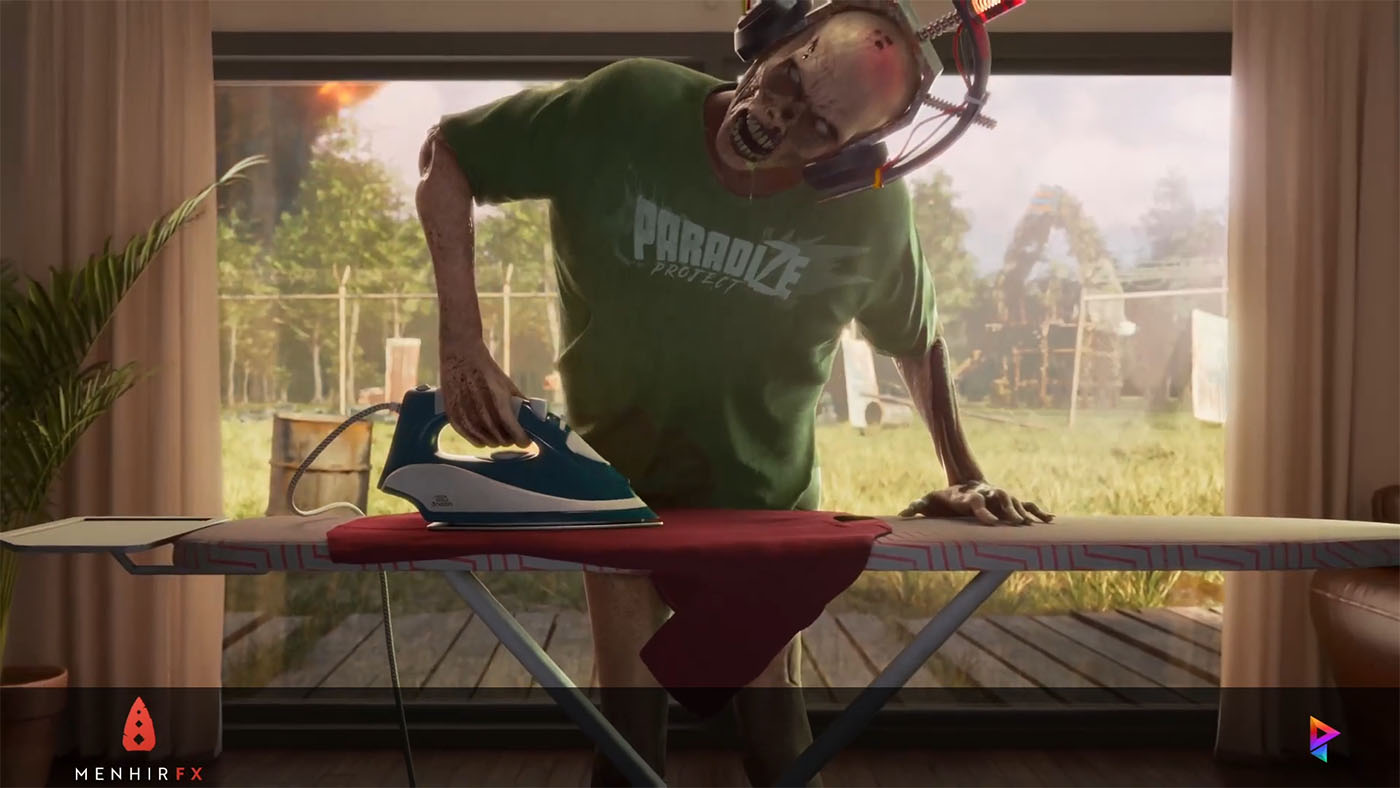
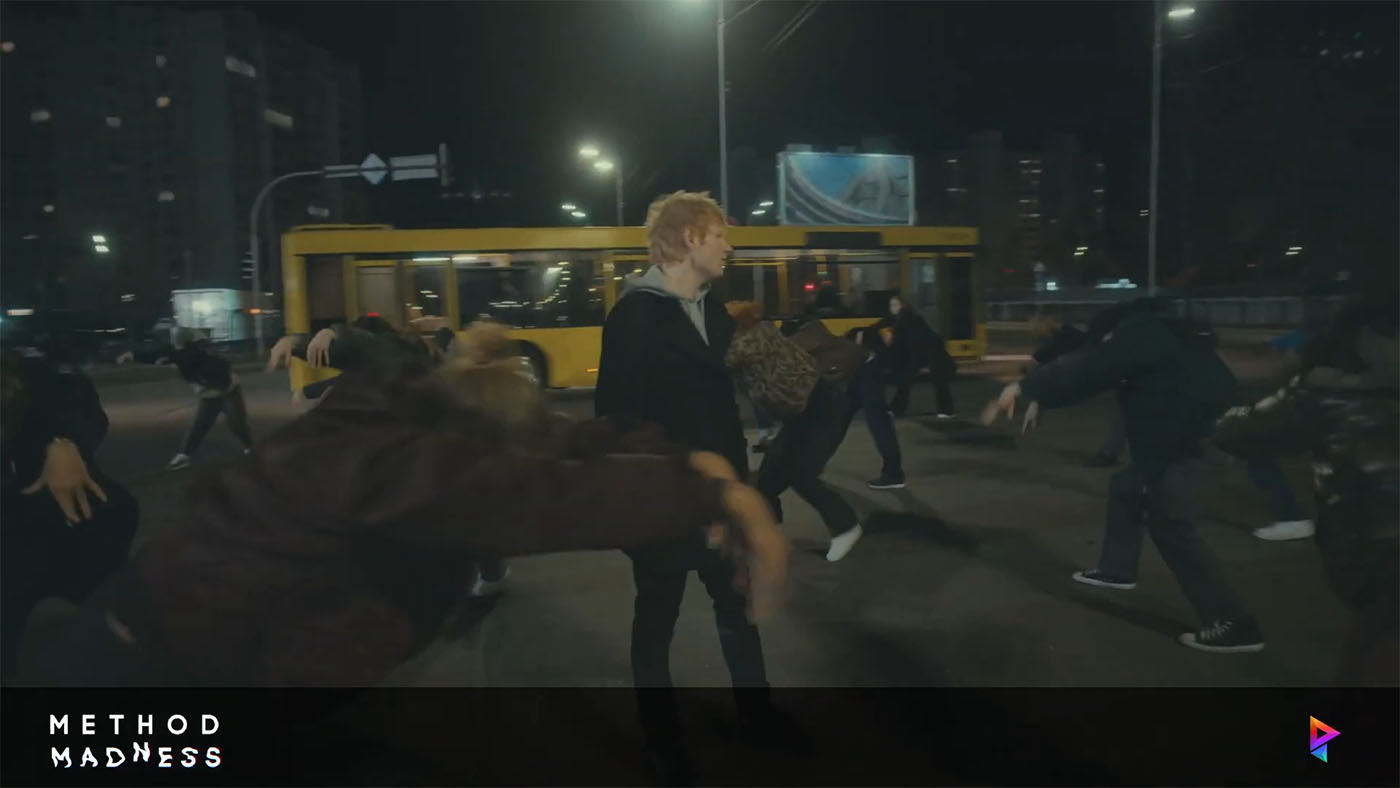
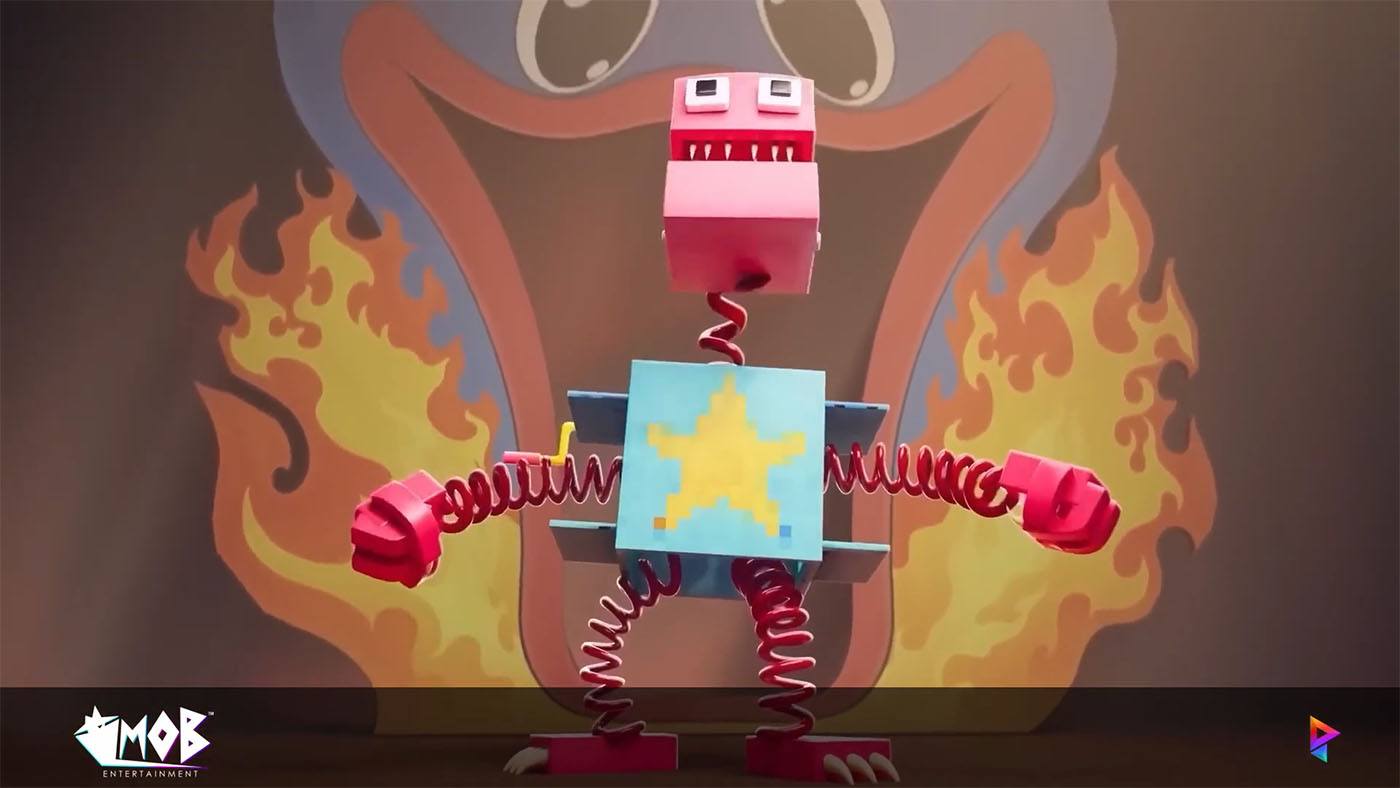
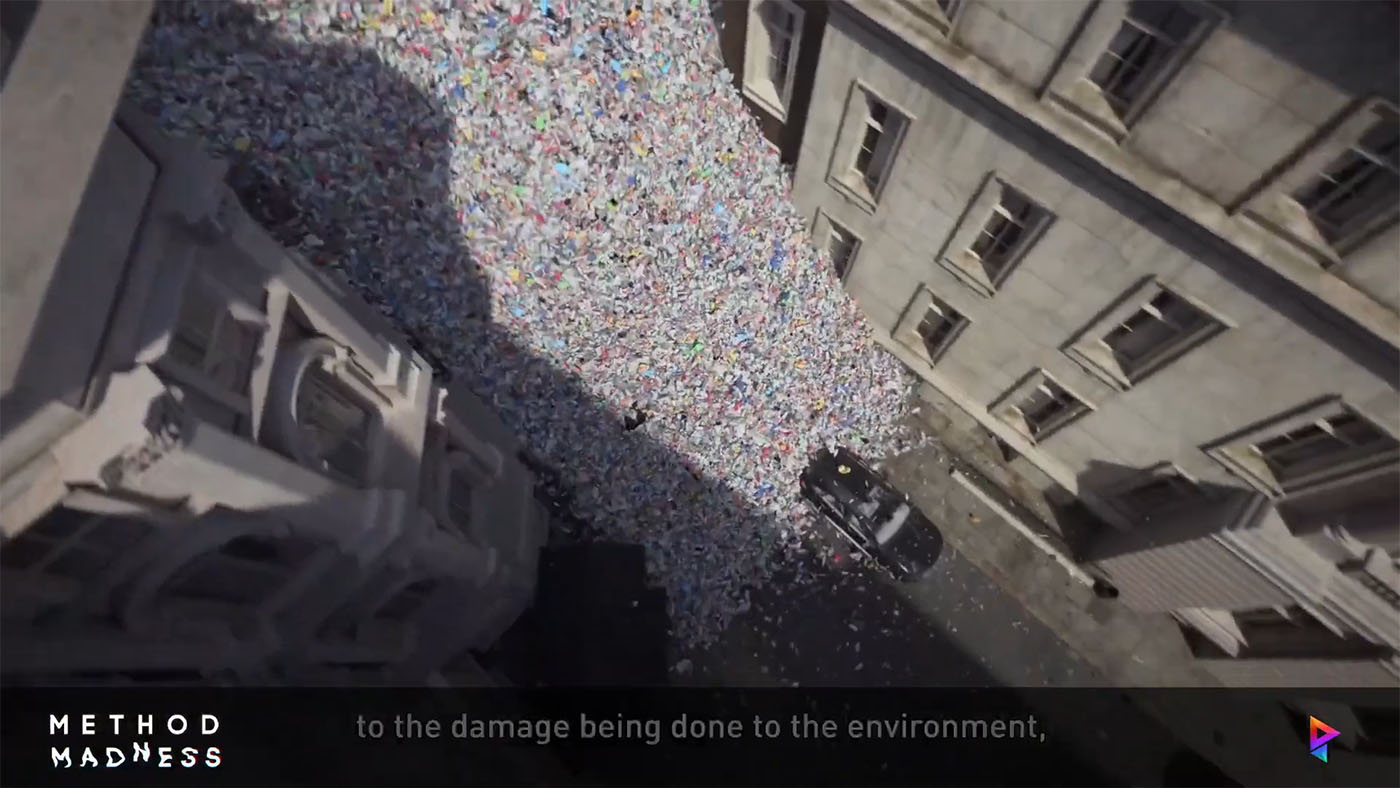
This demo reel features projects, which were created by different studios using Prism. A huge thanks to all the artists and studios, who worked on these shots!
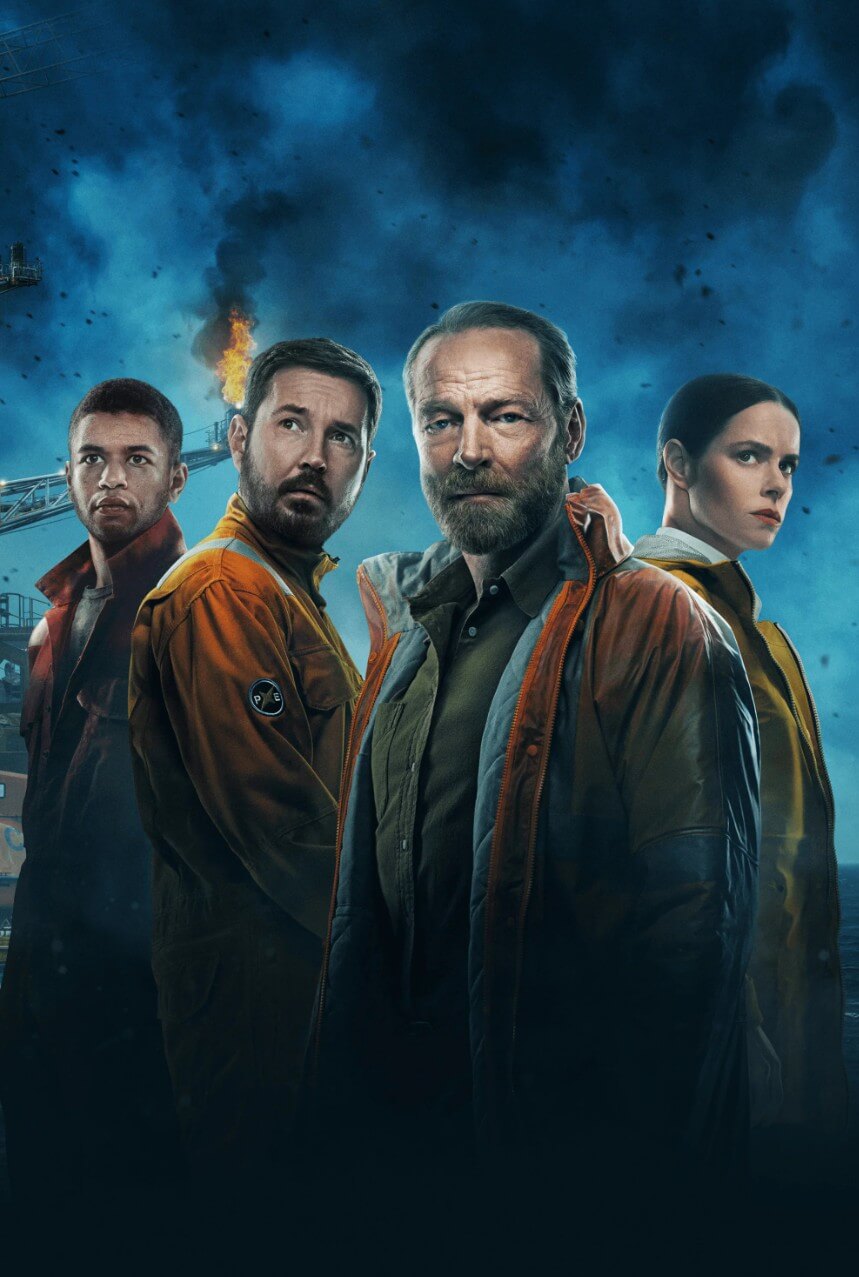
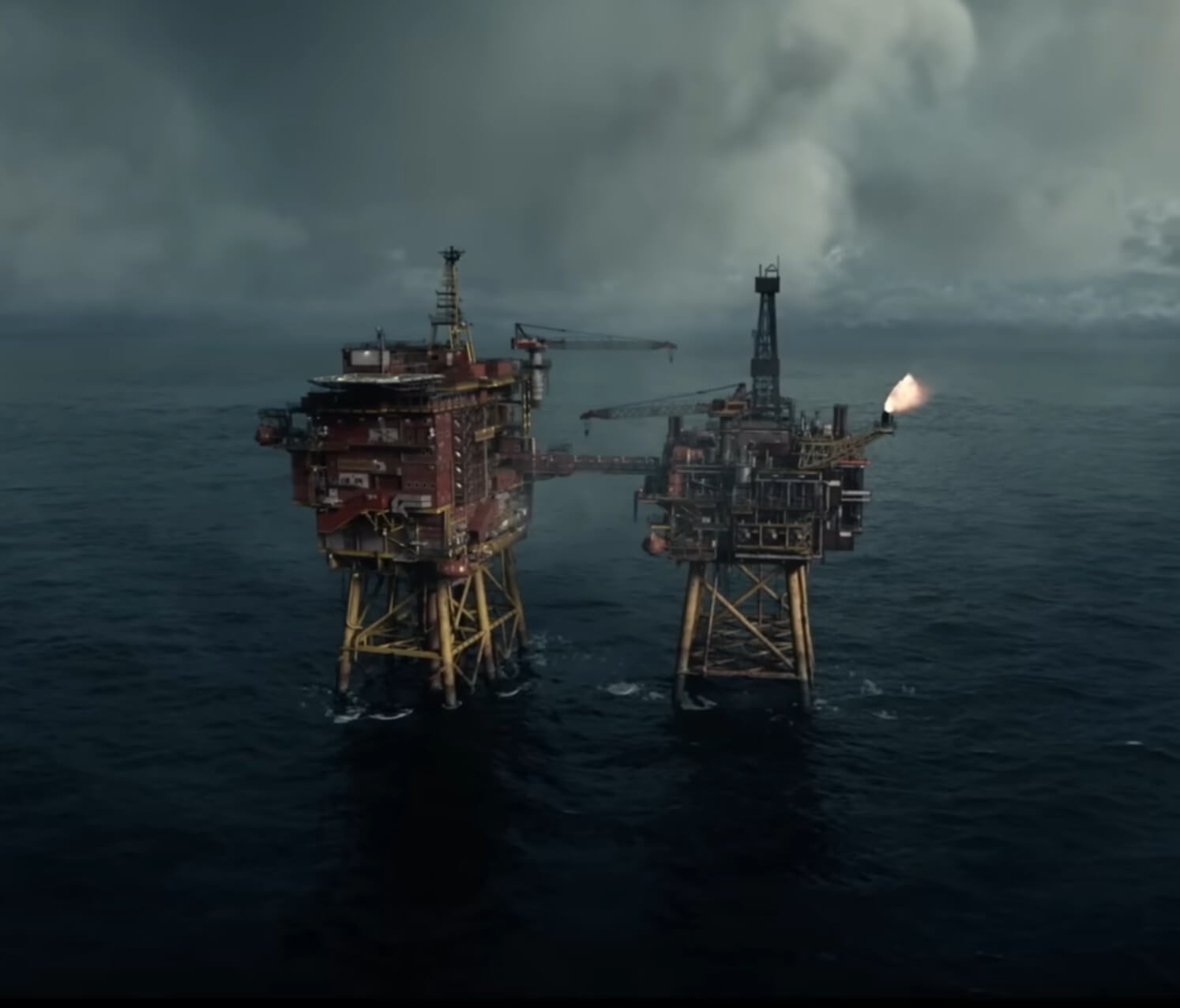
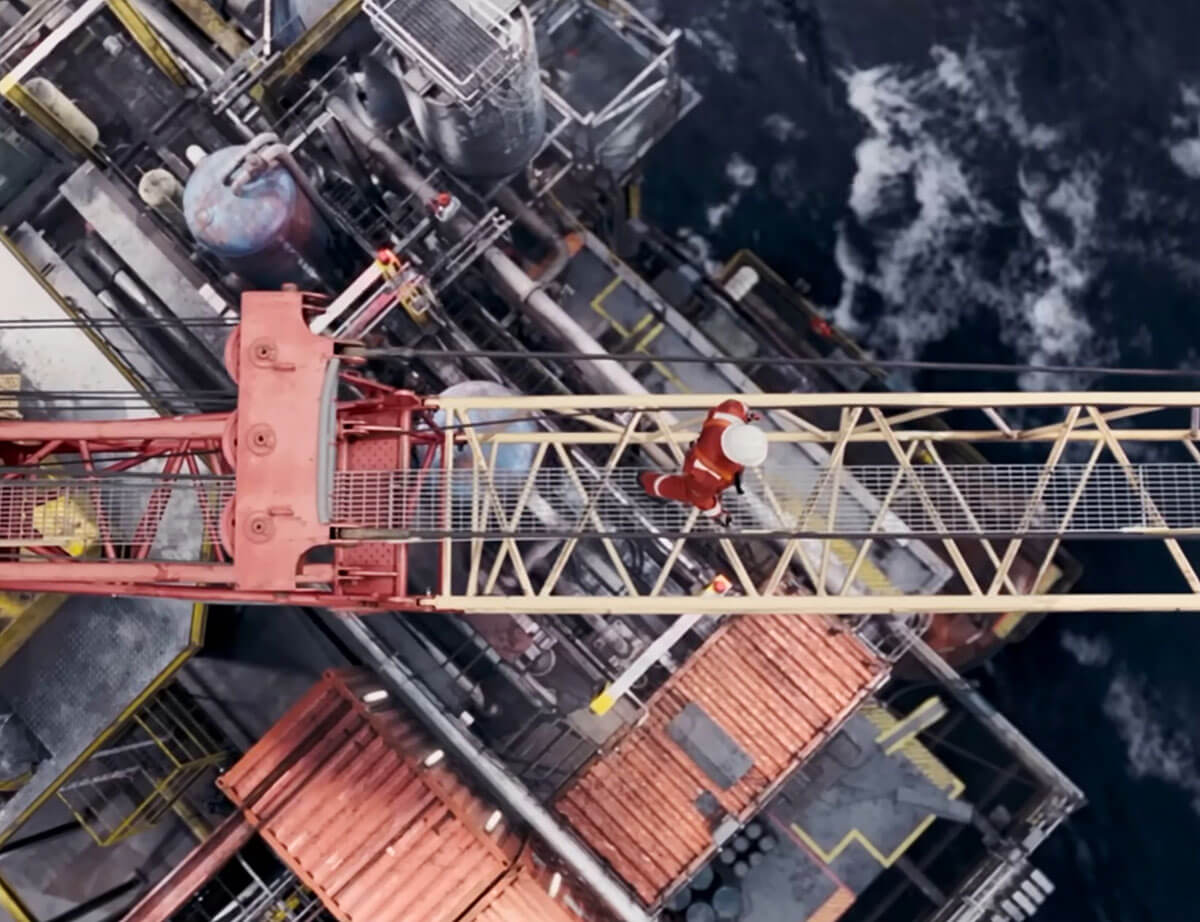
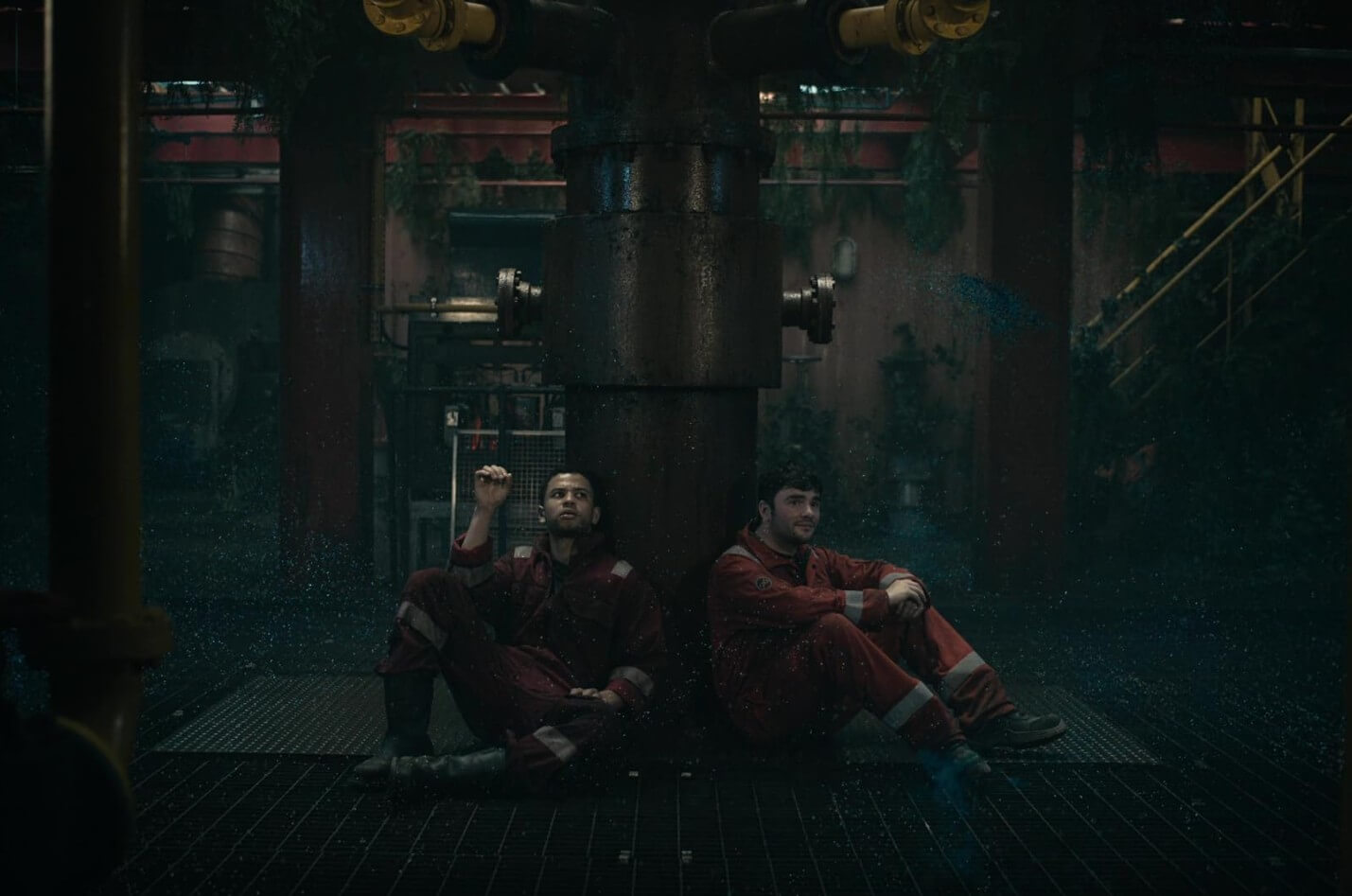
“A Scottish oil rig in the North Sea is enveloped in an unnatural fog that cuts them off from outside communications. Spores found in the fog cause infected crew members to experience behavioural changes. After examining the spores, a scientist on board the oil rig suspects that an ancient parasite has been unleashed from the ocean floor.
The Rig is a British supernatural thriller television series created by David Macpherson for Amazon Prime Video. The series is directed by John Strickland, and is the first Amazon Original to be filmed entirely in Scotland. The series was released on 6 January 2023 and consists of six episodes. In February 2023, The Rig was renewed for a second series which premiered on 2 January 2025.”
Alps Studios accomplished FX, CG set extension and Compositing work for the first season.
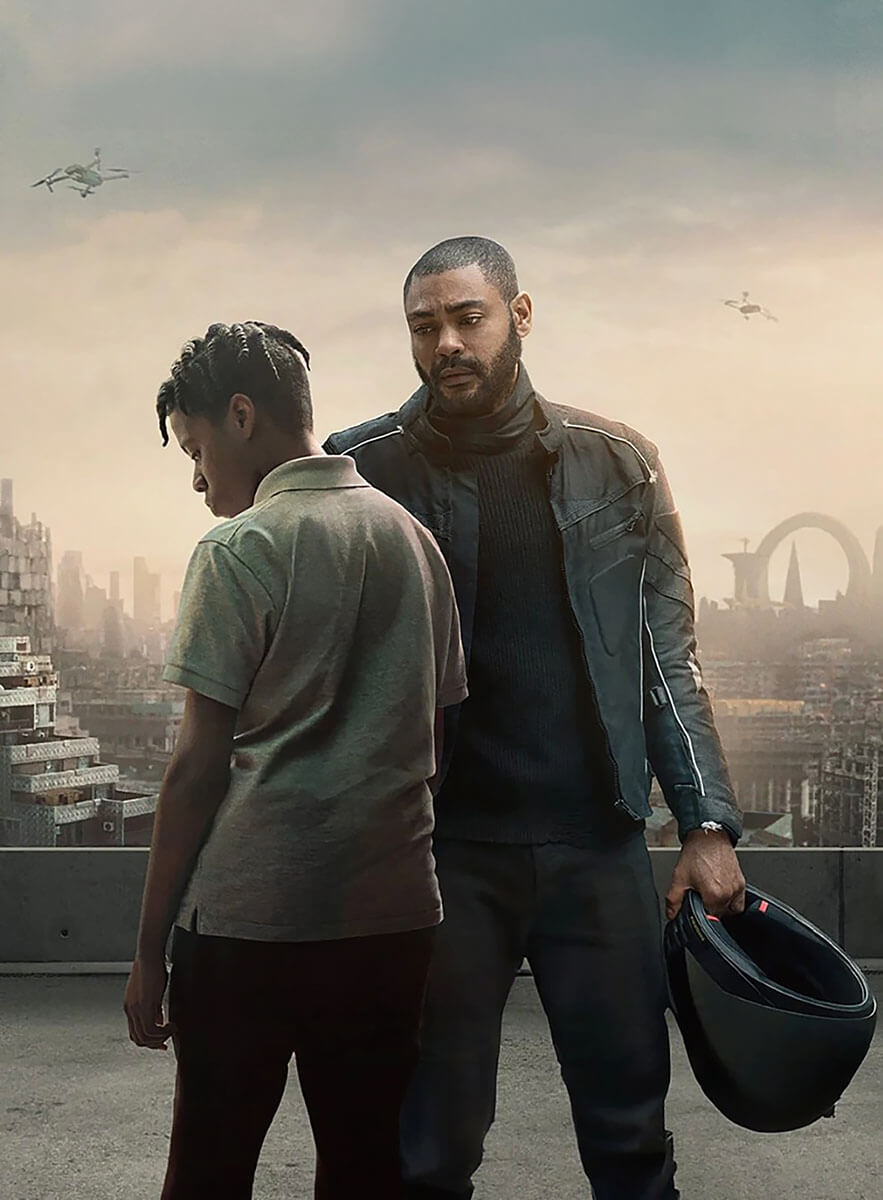
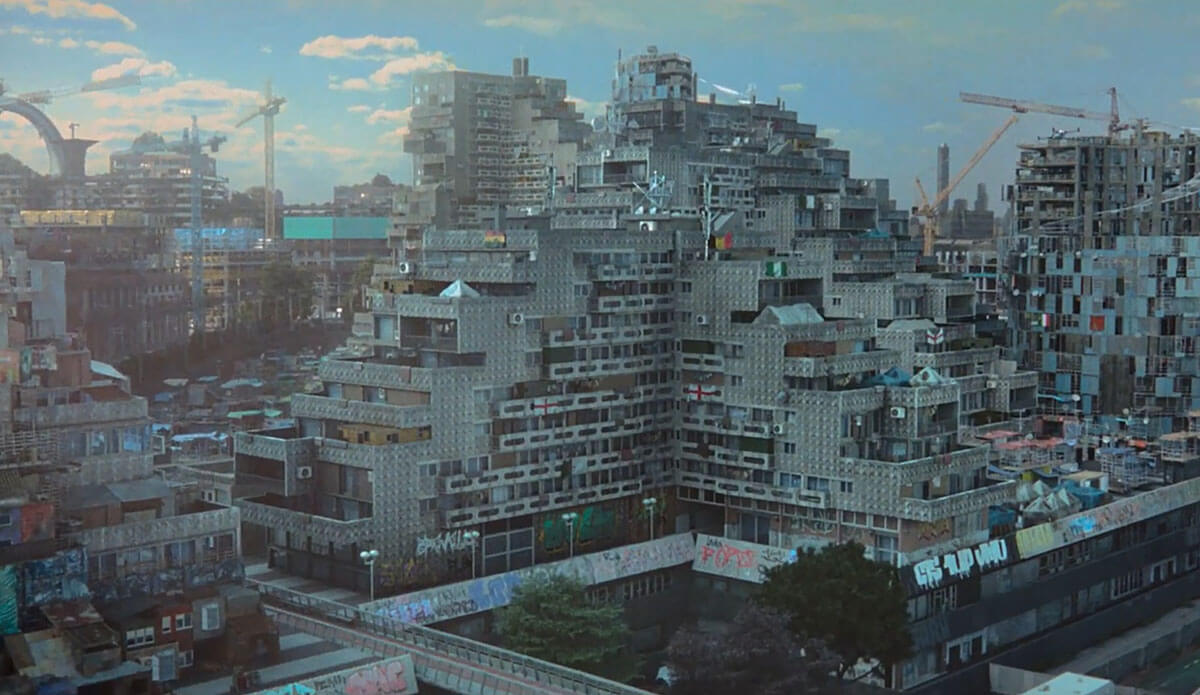
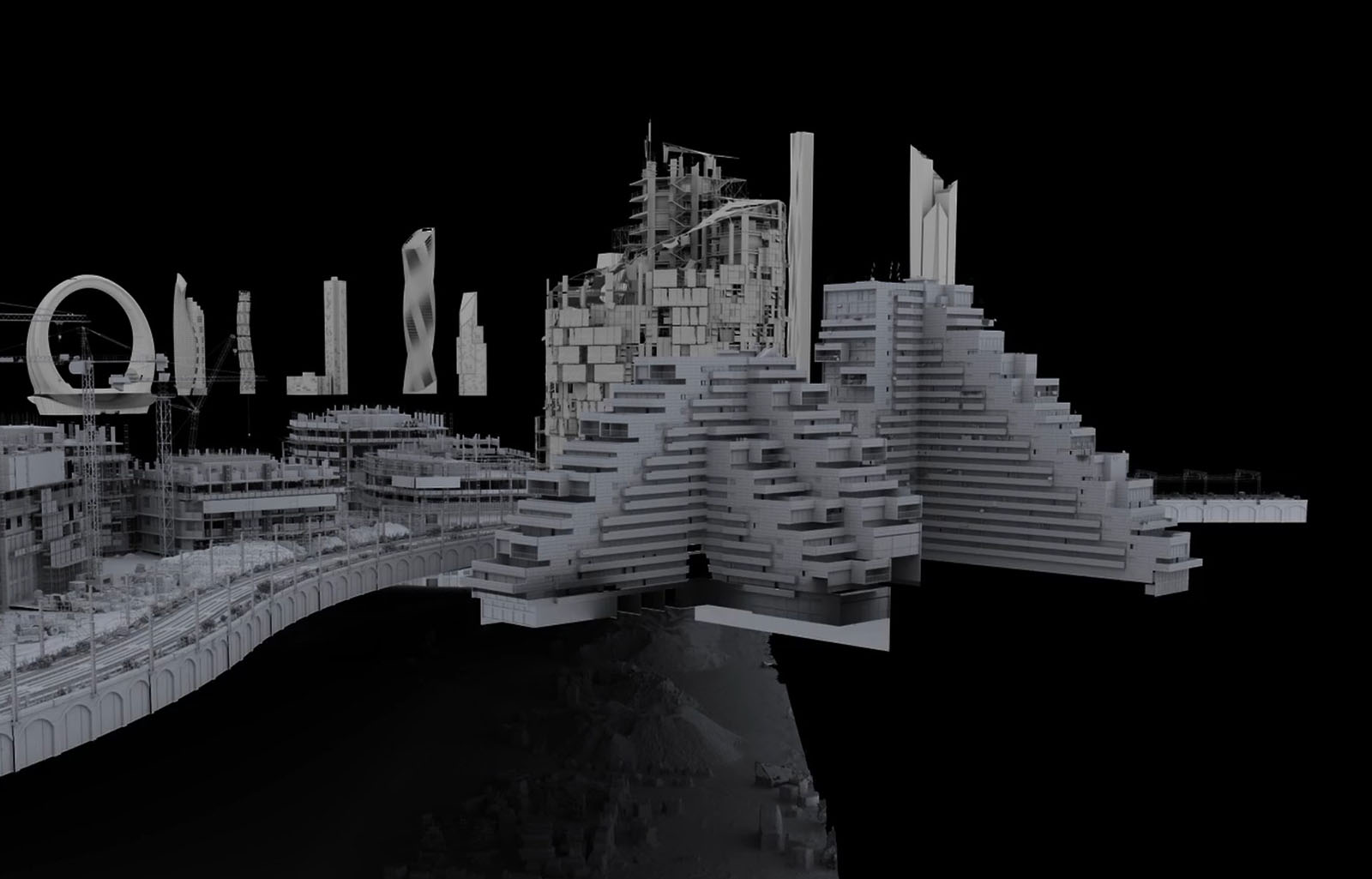
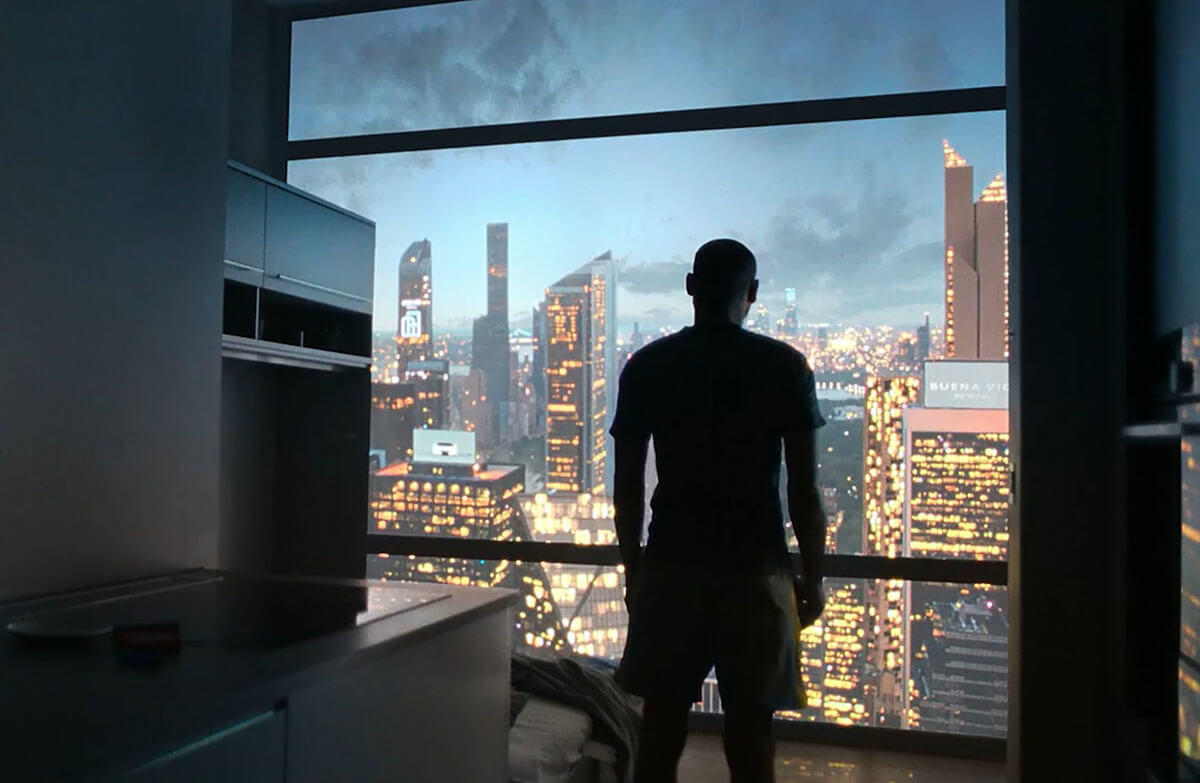
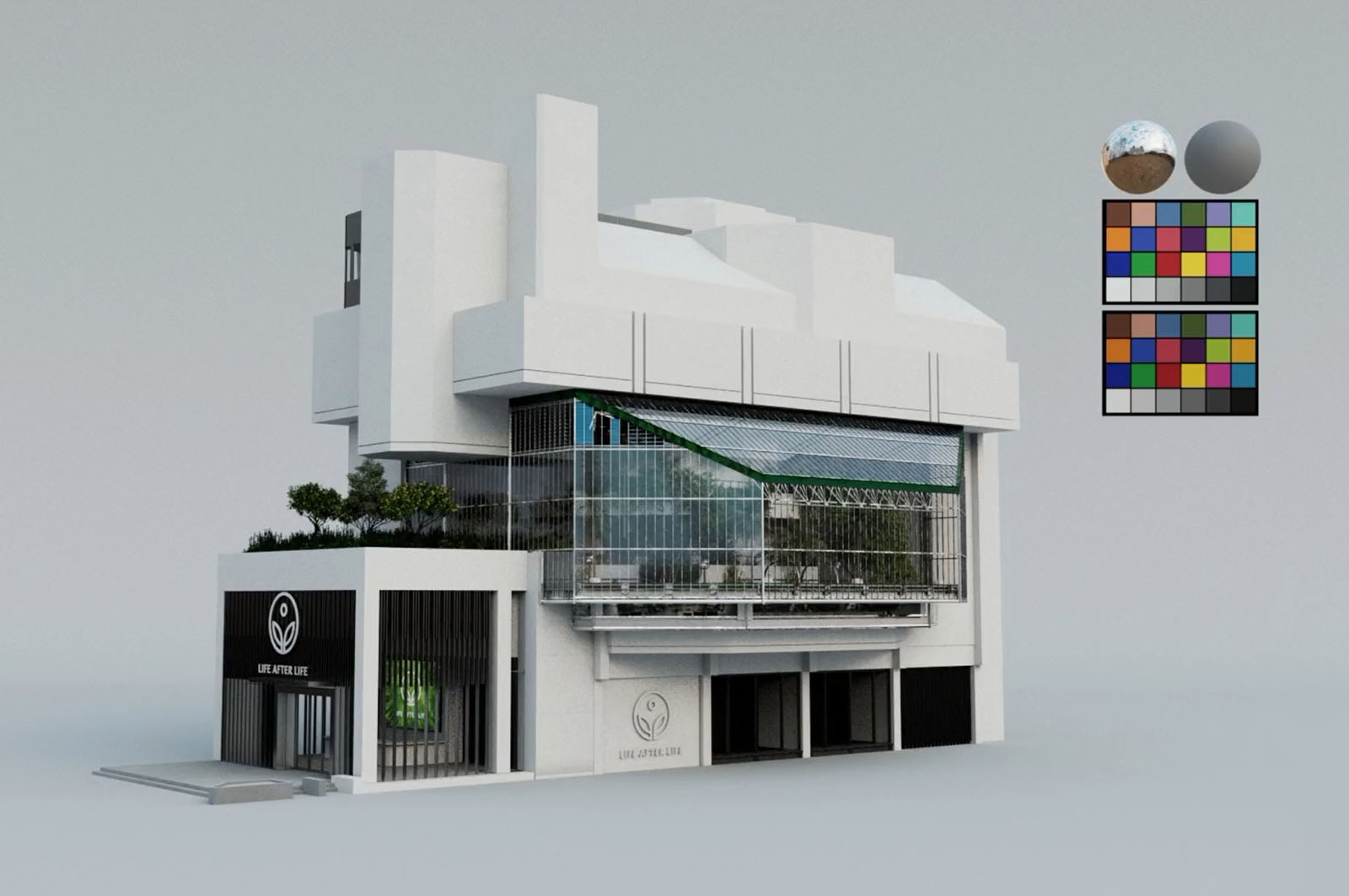
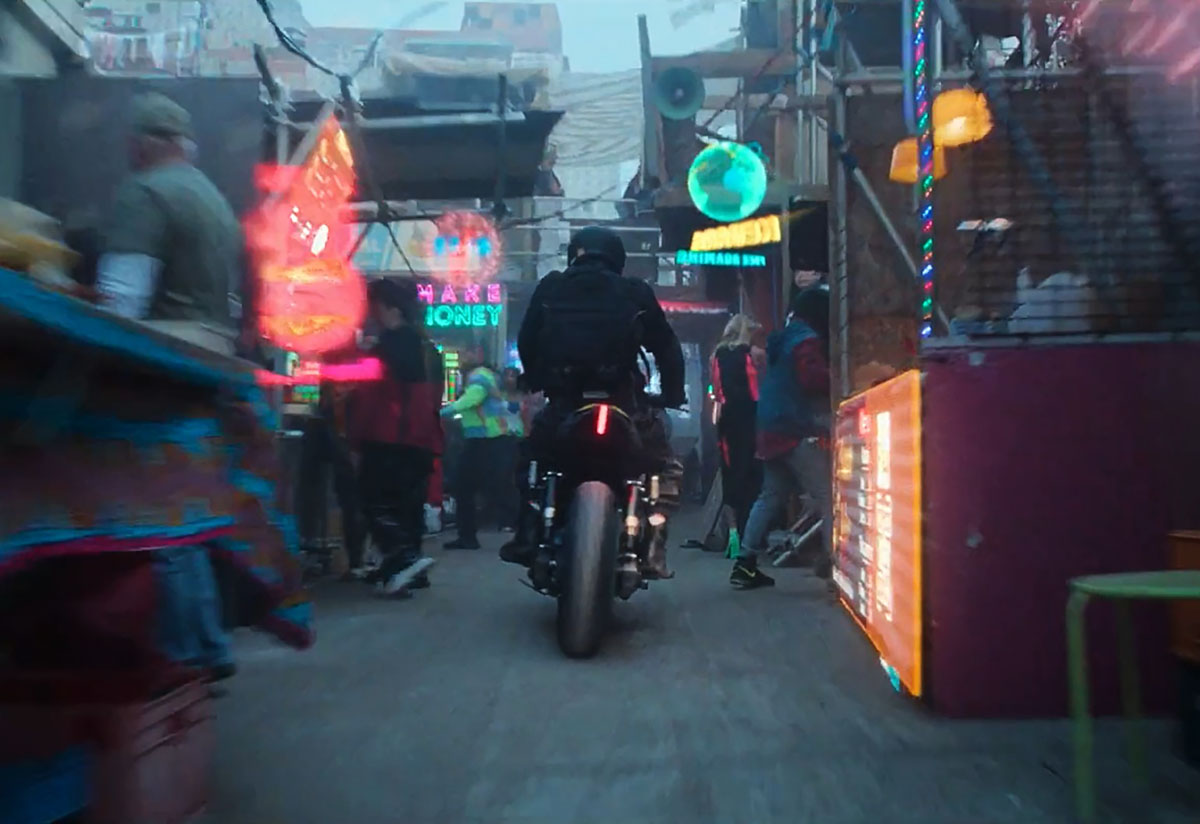
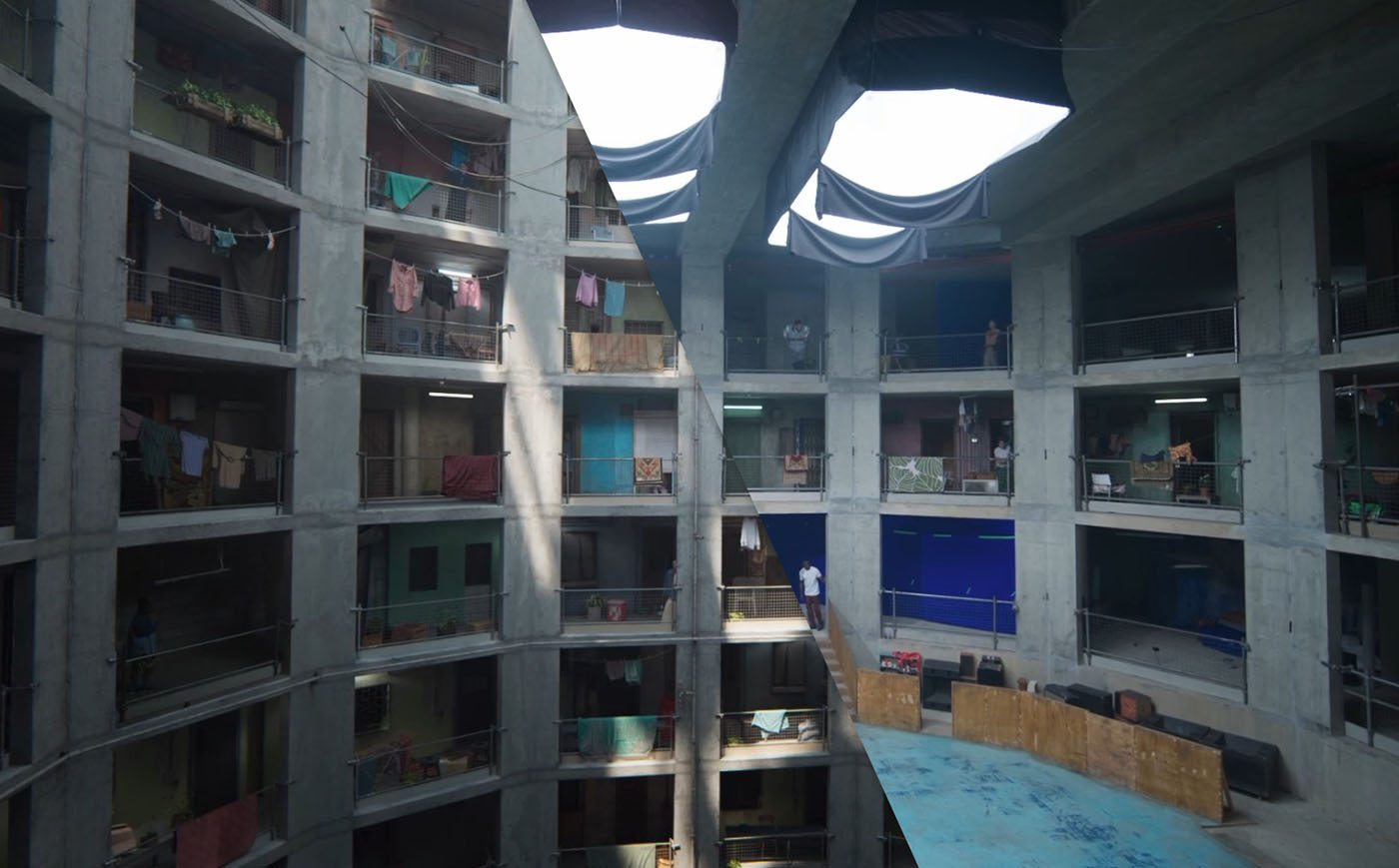
The Kitchen, the Netflix UK Original, and winner of two prestigious BIFA Awards (British Independent Film Awards) for Best Effects and Best Production Design, is set against the backdrop of a dystopian future in London. Directed by renowned actor Daniel Kaluuya in his directorial debut, alongside director Kibwe Tavares, of Robot & Scarecrow.
The film spotlights the gentrification of London. The Kitchen, the last remaining public housing complex, shelters its defiant impoverished residents who grapple with the constant fear of utility cutoffs, and face police intimidation as well as eviction.
At the heart of the story is the unusual dynamic between Izi (Kane “Kano” Robinson”) and 12-year-old Benji (Jedaiah Bannerman) that begins at “Life after Life” where Izi works. A company that composts those who have passed on into fertiliser as their families are unable to afford the conventional funeral option. As Benji deals with the loss of his mother, the film delves into the struggles of residents. The Kitchen offers a nuanced exploration of societal challenges. We see Izi step into unfamiliar territory; initially portrayed as a self-sufficient, and “I am just trying to survive and make it out alive” character. Izi’s role transforms as he takes on the responsibility “of a father” for Benji.
This project was a remarkable bridge, connecting talent across the globe (UK, South Africa, France, India and Canada) and fostering collaborative energy that transcends geographical divides.
To build the grungy worn-out world of The Kitchen, Chocolate Tribe worked on over 250 VFX shots, such as large 3D city scape set extensions, 2D/3D holographic advertisements, animated drones and rendered future-inspired vehicles, as well as many detailed 3D city assets (such as construction sites and the futuristic buildings).
The tools used on this production were Autodesk Maya, Arnold, Foundry Nuke, Substance Painter, Ftrack, DaVinci Resolve, Blender, Redshift, Unreal Engine, Houdini and Adobe Creative Cloud. The film highlights heavily the structural and architectural look of the block of apartments in The Kitchen (Les Damiers, which were filmed in Paris, France), which required over 100 assets to be sculpted and modelled.
We are proud to have been part of this amazing project. Congratulations to the entire team; behind the scenes and in front of the camera.
The Kitchen is currently ranked number 3 on Netflix’s Global Top 10 and has garnered wide positive reviews from audiences globally. The Kitchen premiered on Netflix on the 19th of January 2024.
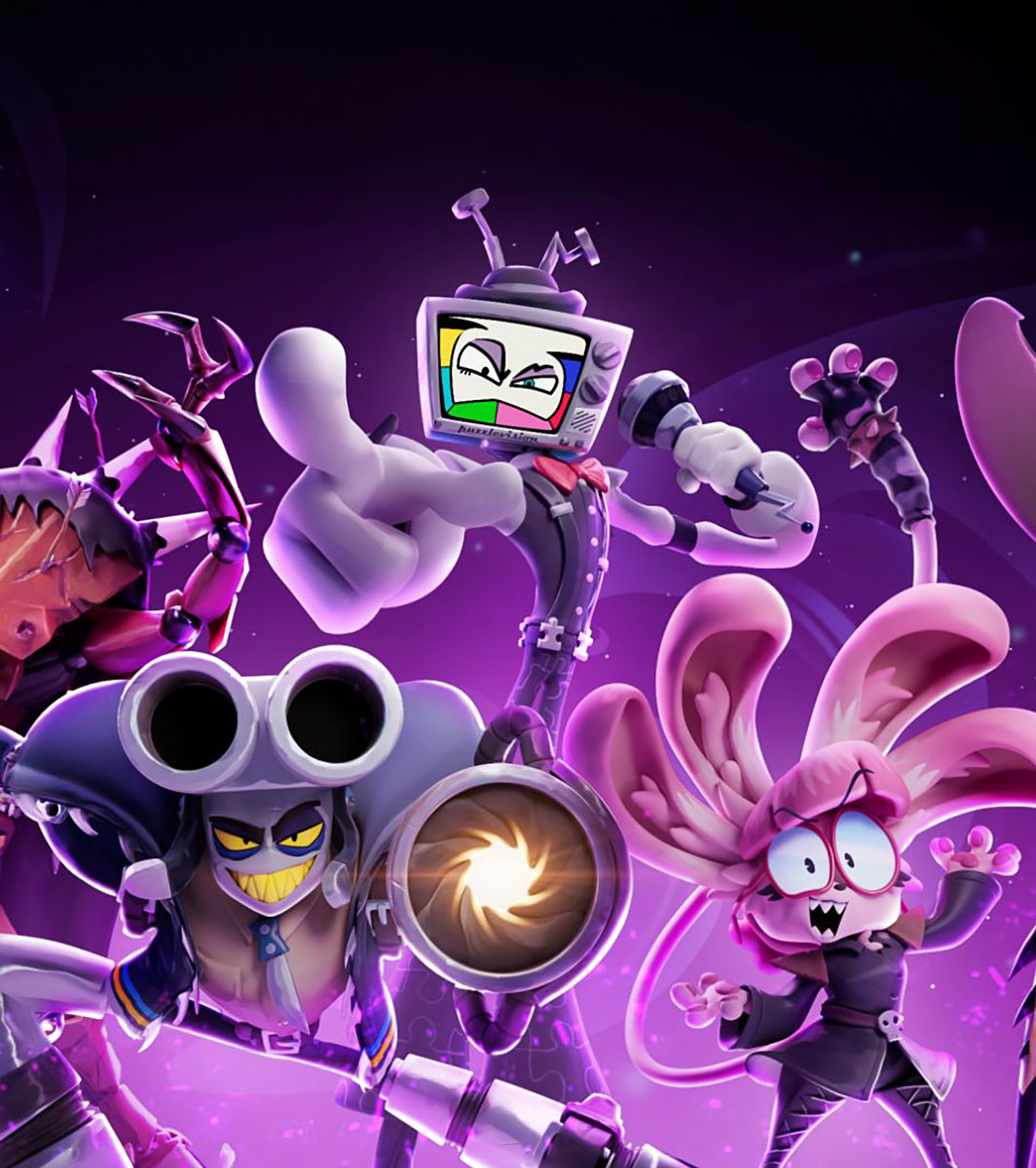
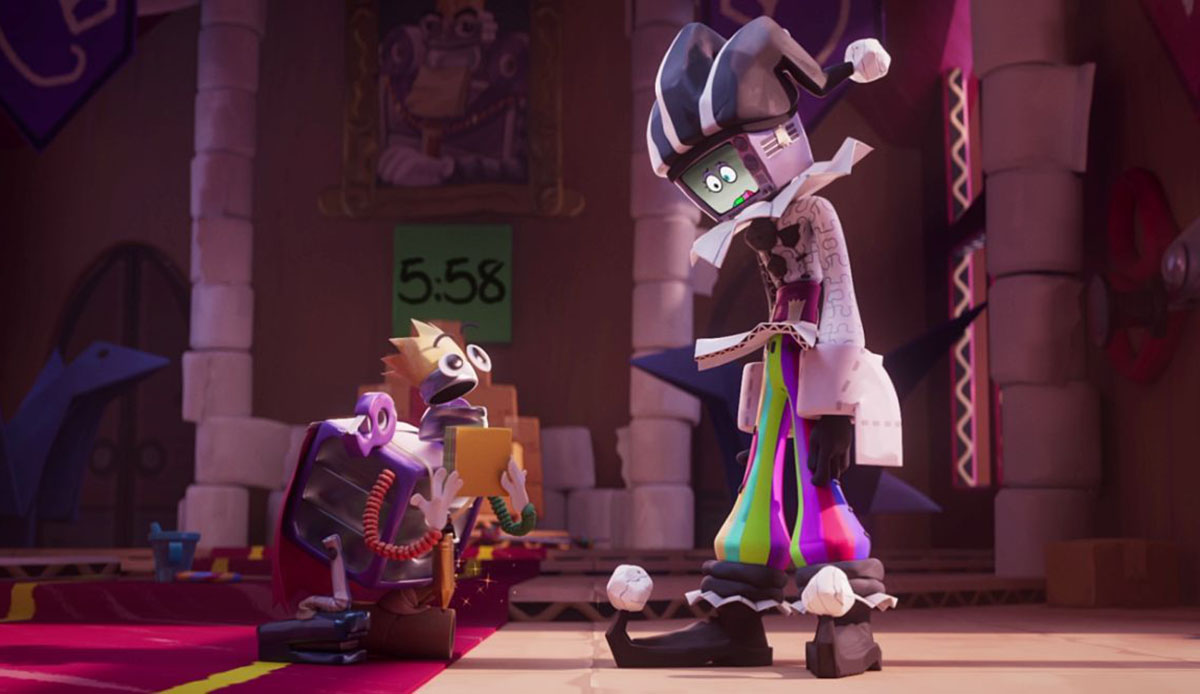
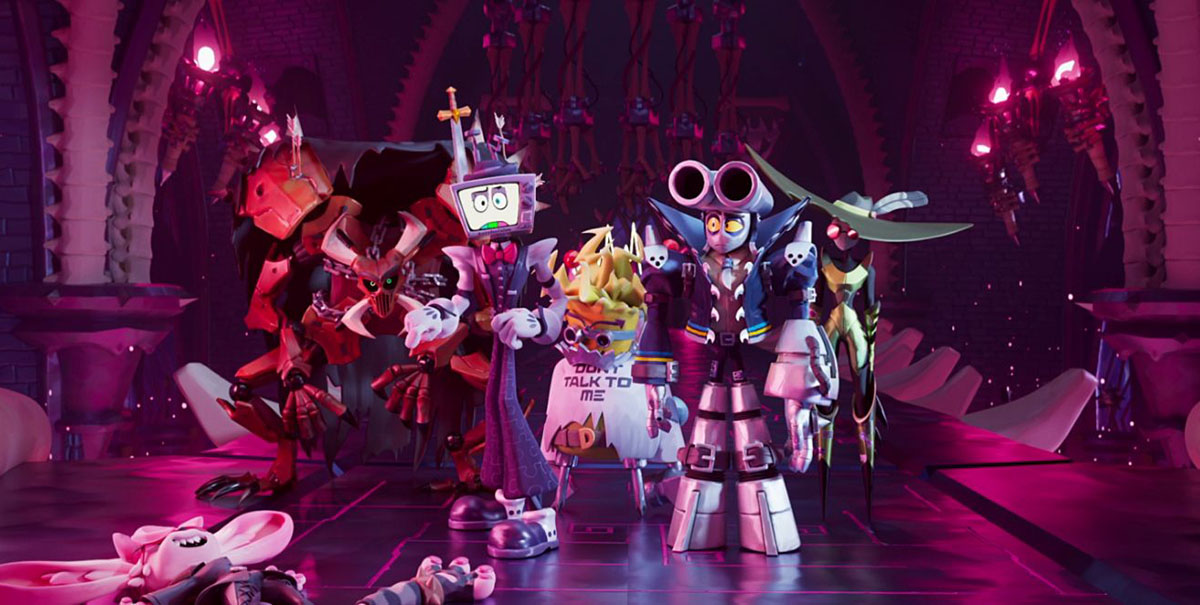
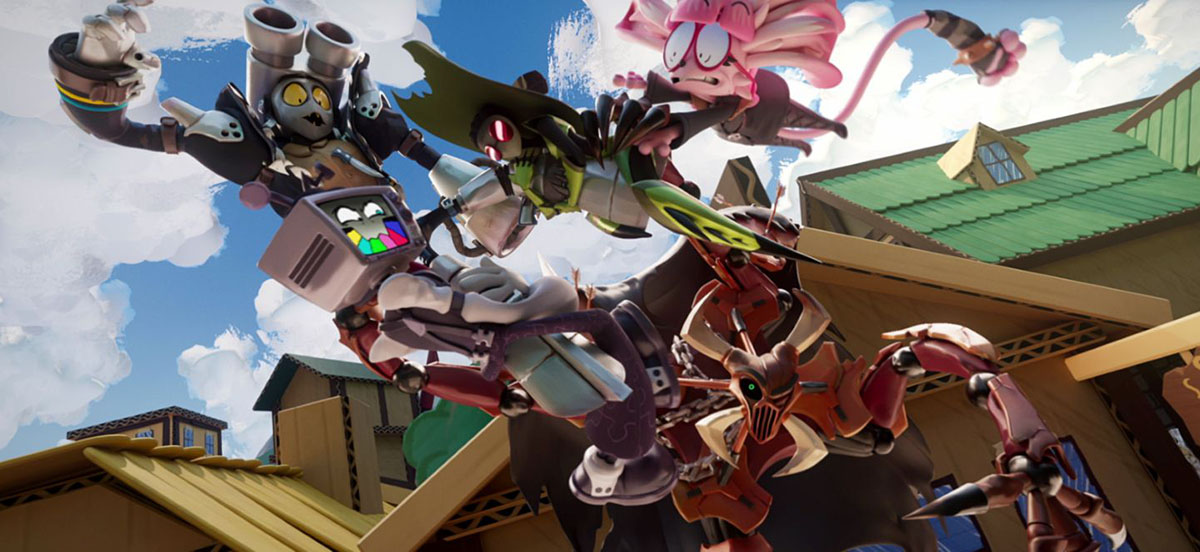
Calling All Villains is a 3D animated sci-fi/action/comedy series produced and creatively helmed by ZAMination, starring Mr. Puzzles – originally from Glitch Productions’ SMG4.
It is ZAMination’s most ambitious project to date. The pilot was released on October 31, 2026, with a runtime of over 30 minutes, and over 650 shots. It was received with high praise and received over 10 million views within the first 4 days of its release.
Created by a team of 20 artists in just 11 months of 3D production, the whole project was supported by the Prism Pipeline!

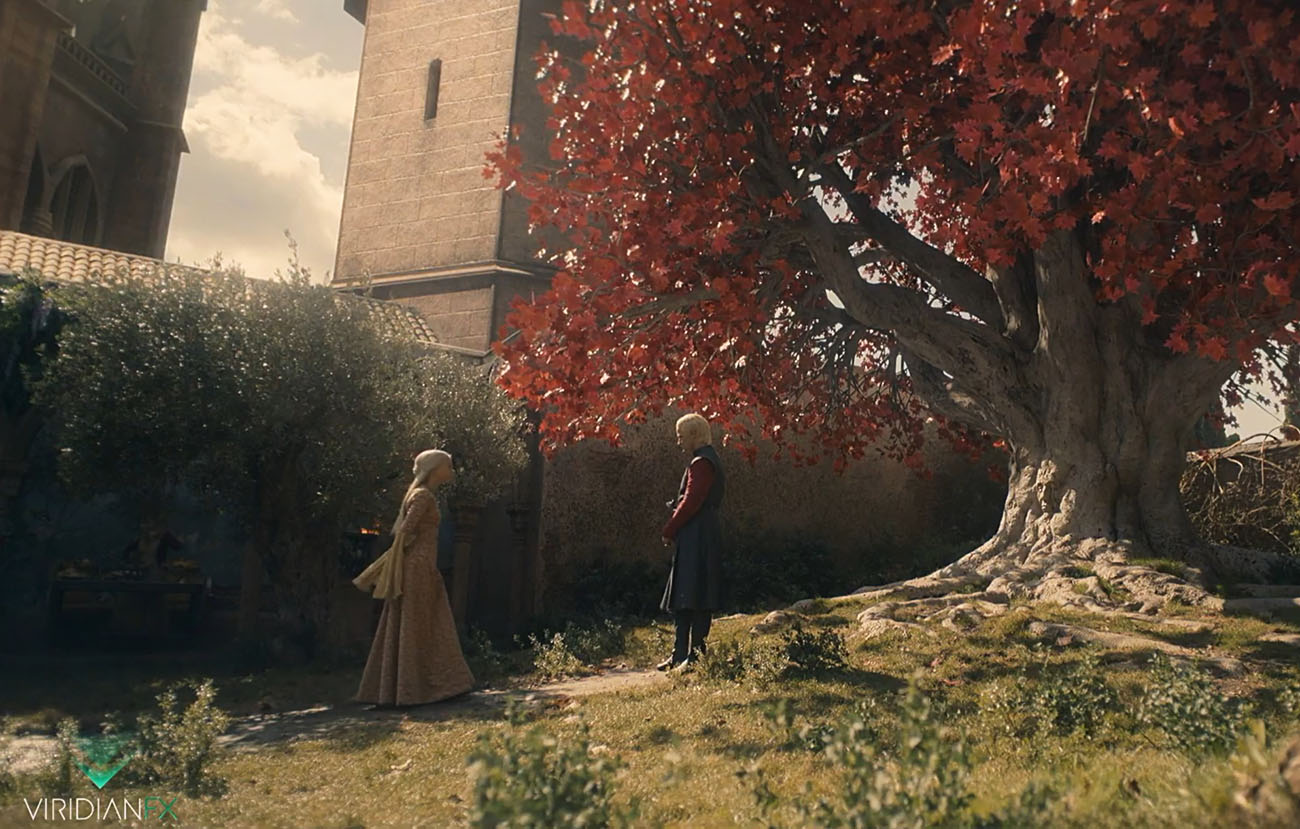


“House of the Dragon is an American fantasy drama television series created by George R. R. Martin and Ryan Condal for HBO. A prequel to Game of Thrones (2011–2019), it is the second television series in the Game of Thrones franchise.
Based on parts of Martin’s 2018 book Fire & Blood, the series begins about 100 years after the Seven Kingdoms are united by the Targaryen conquest, nearly 200 years before the events of Game of Thrones, and 172 years before the birth of Daenerys Targaryen. Featuring an ensemble cast, the show portrays the events leading up to the decline of House Targaryen, a devastating war of succession known as the “Dance of the Dragons”.”
Viridian were honoured to be a part of bringing Westeros back to life in the new HBO prequel to Game Of Thrones. Working with VFX Supervisors Angus Bickerton and Adam McInnes, the Viridian team helped with a variety of work, from set extensions to simulated blood work and everything in between.
Shots: 237
Matte Painting
CG FX
Compositing
Cleanup
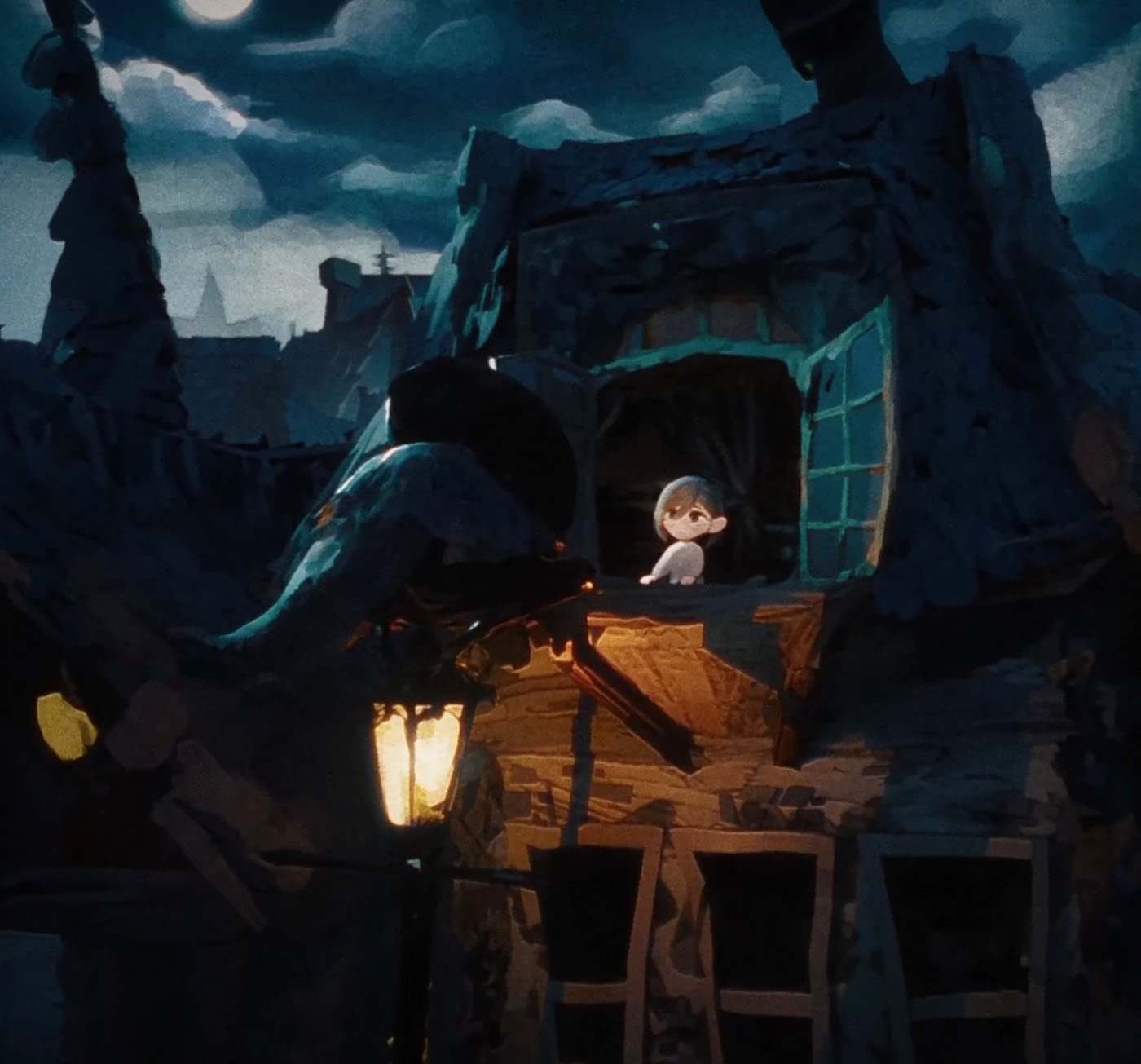
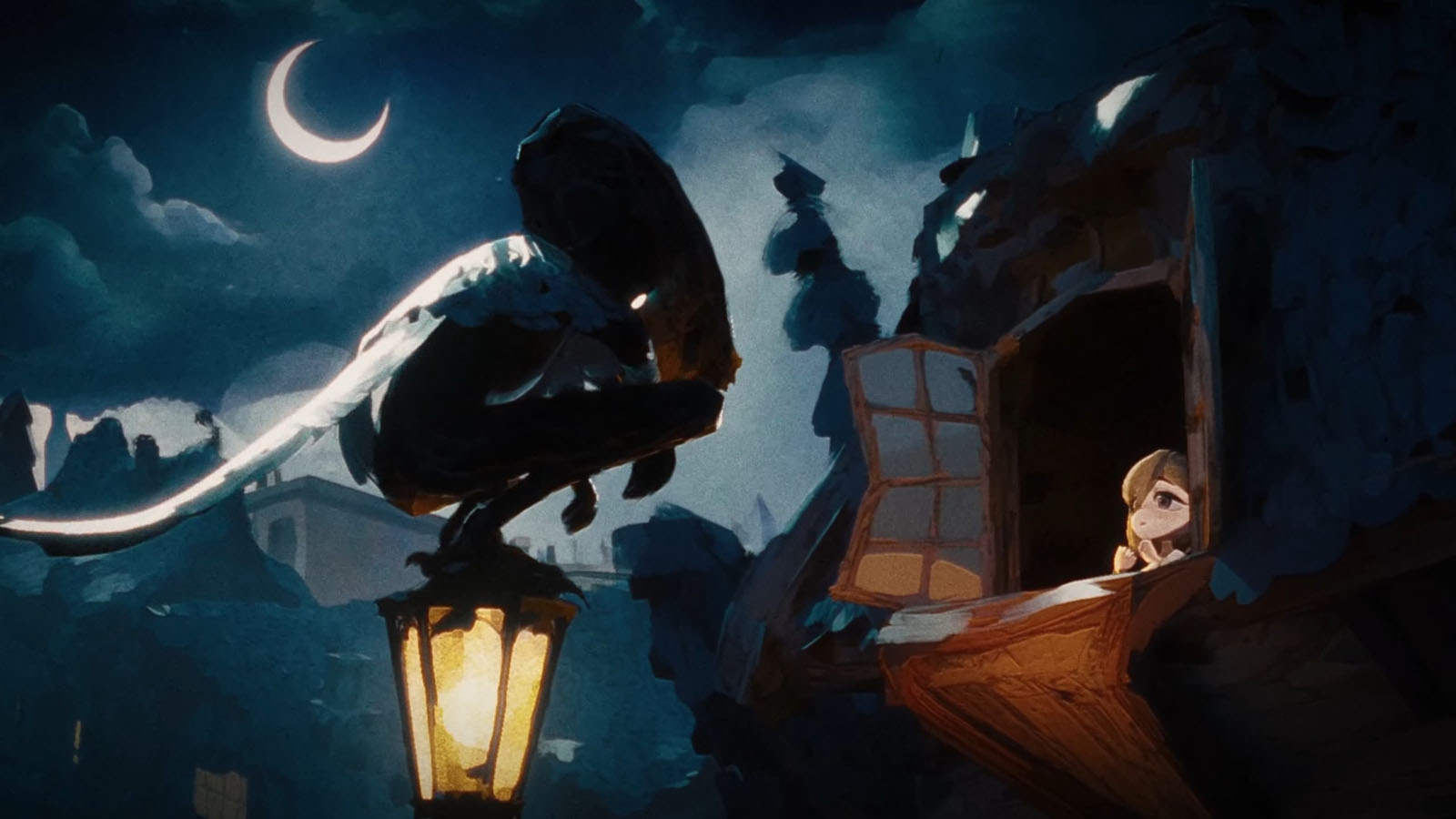
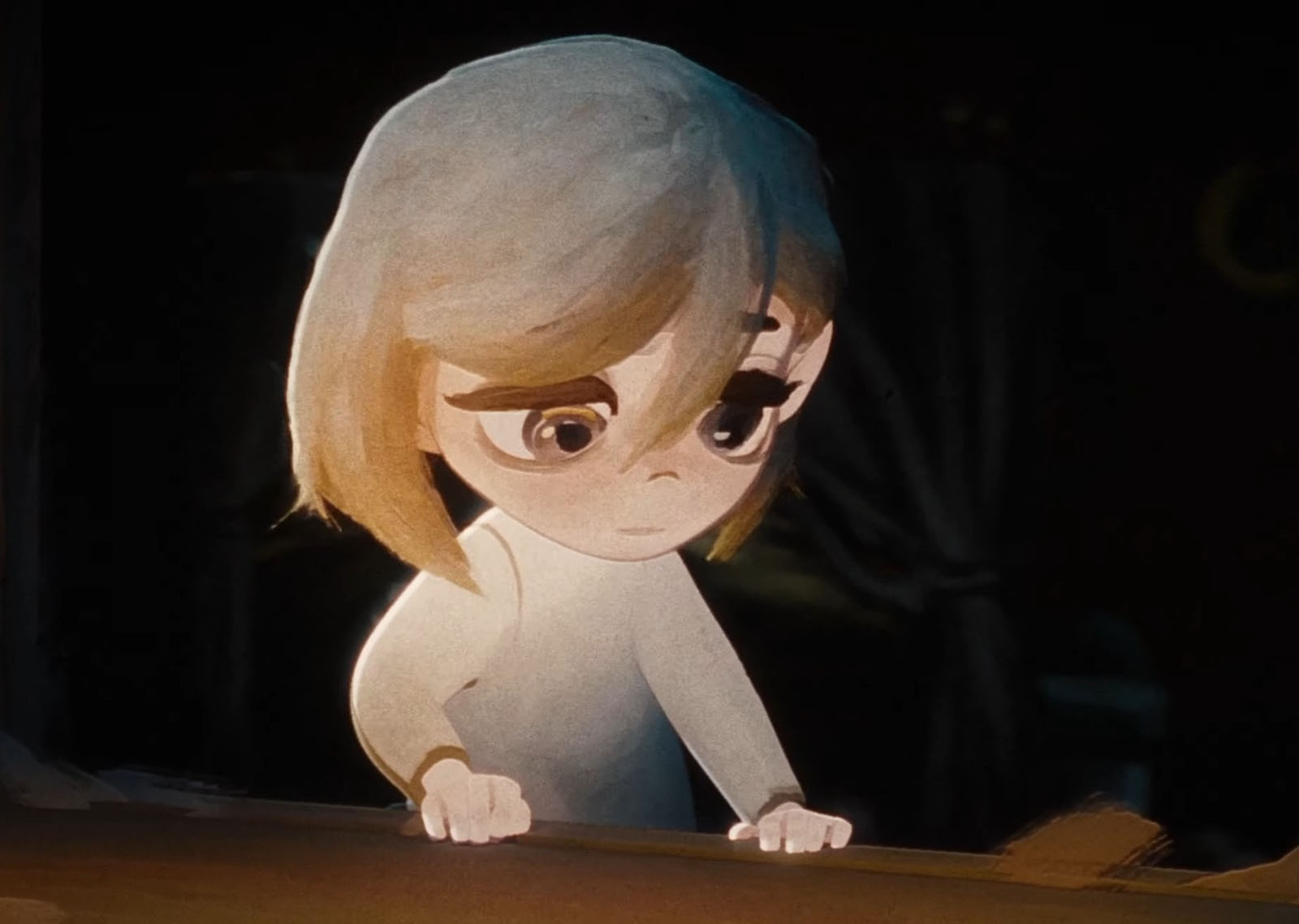
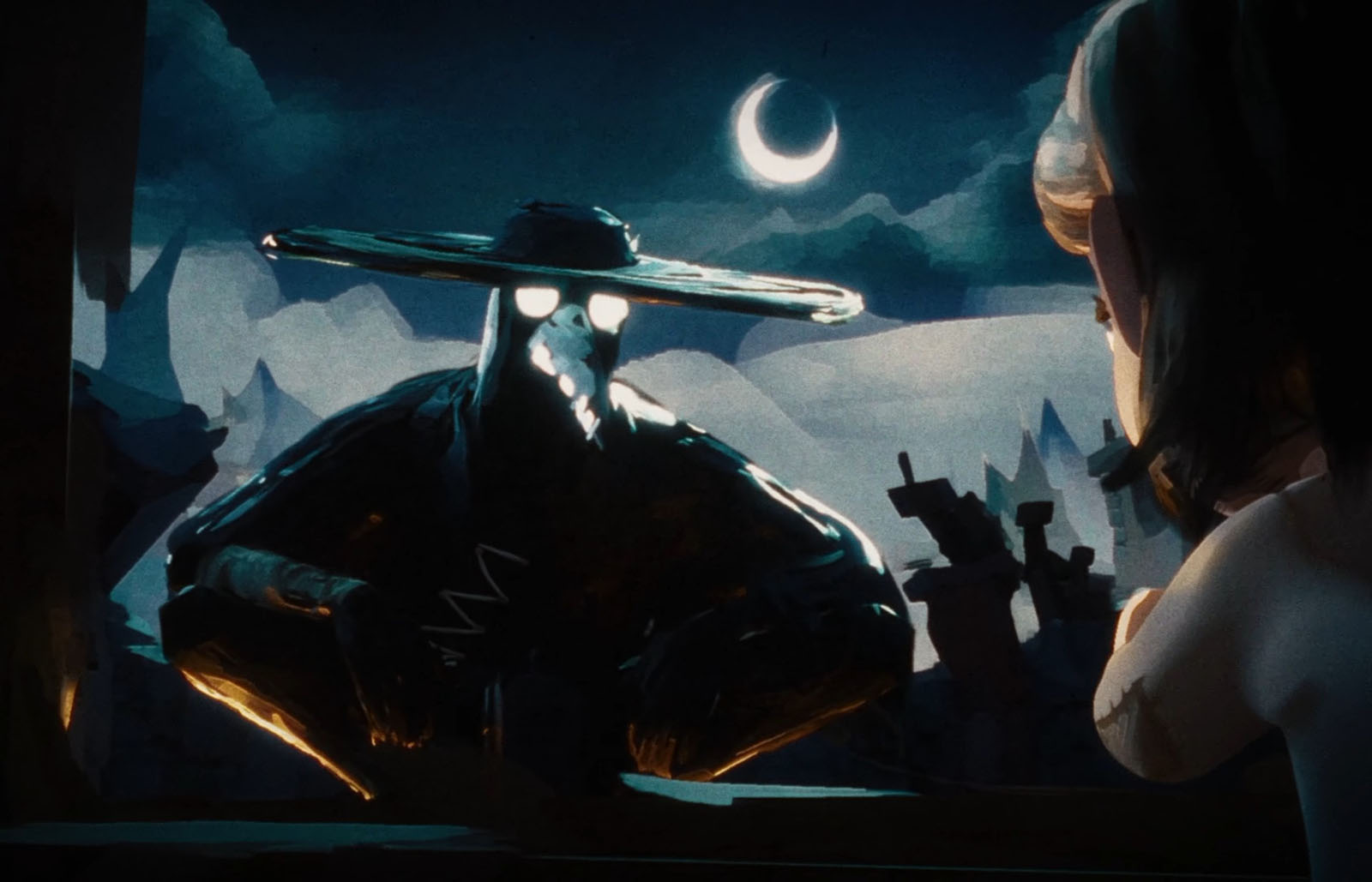
Our mixed-media animated short film tells the story of a young girl named Emma, who, as on almost every night, gazes out at the empty, disease-stricken streets of her hometown. Until one night, a creature appears – one she has seen many times before, but always from afar. This unexpected encounter would brighten her bleak life, if only for a single night.
The project was developed as part of an animation course at Mainz University of Applied Sciences and produced by a small team. The film was primarily created in 3D using Blender, where the models were built, rigged, and animated. Smaller 2D animations and various distant background elements, such as the sky, were created using Krita and After Effects through a combination of frame-by-frame and keyframe animation.
To achieve the film’s distinctive painterly aesthetic, we used Blender’s Brushstroke Tool, a fake cel-shading technique for the little girl, as well as Kuwahara and Emboss filters in the Compositor. Prism proved to be an ideal tool throughout the production of this project! It served as a bridge between Kitsu’s clear task and production management and direct access to the project’s file structure in Blender.
The ability to create different departments and link them together made organizing the production much easier. For example, we could efficiently coordinate and assign lighting and animation scenes. The clearly structured project layout also allowed us to navigate between different scenes and switch them with just a few clicks, making the overall workflow more efficient.
Furthermore, synchronizing project data allowed all team members to access each other’s latest work. This made it possible to flexibly distribute and hand over tasks within the team, allowing us to pick up and continue working on each other’s progress.

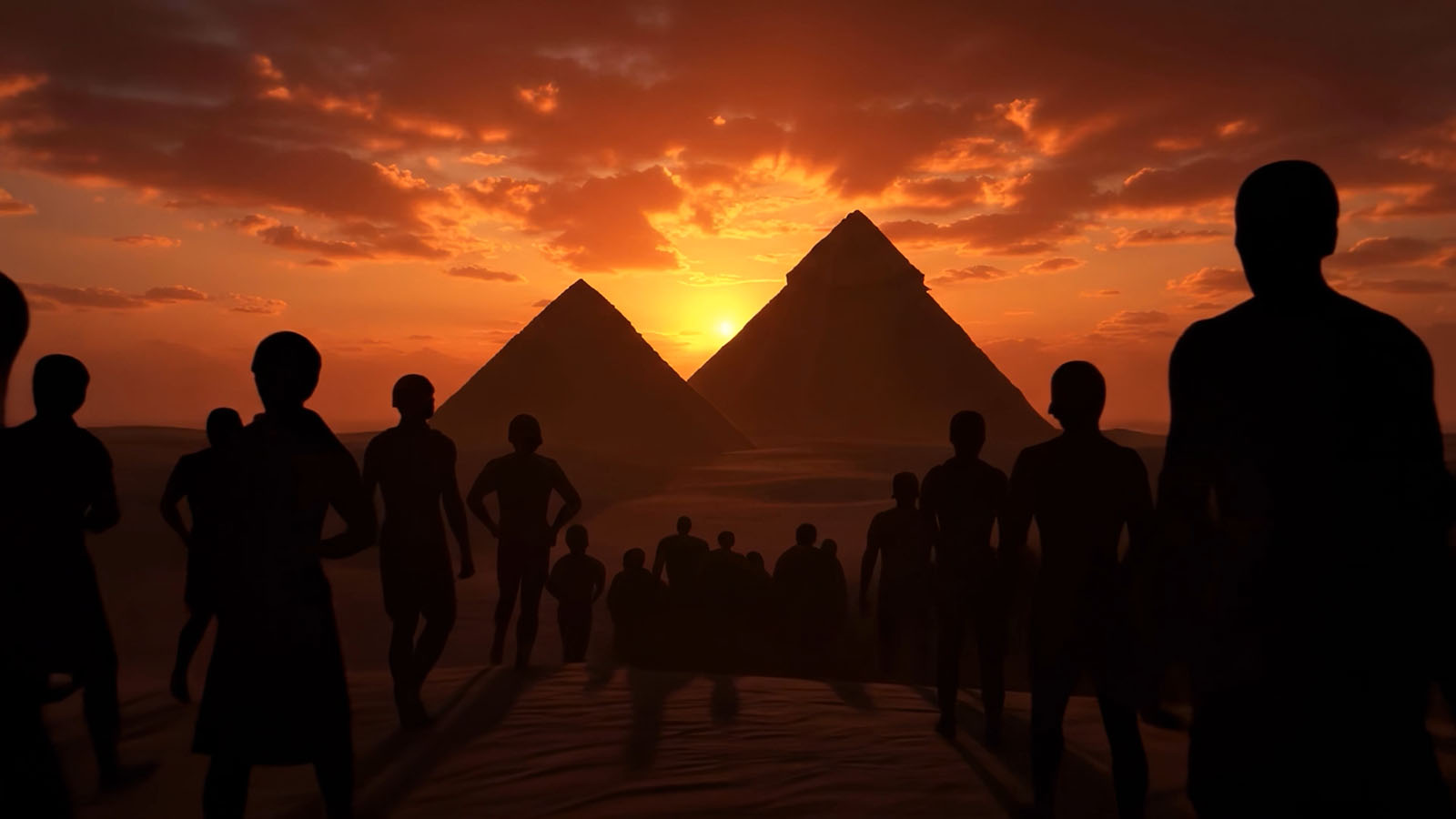
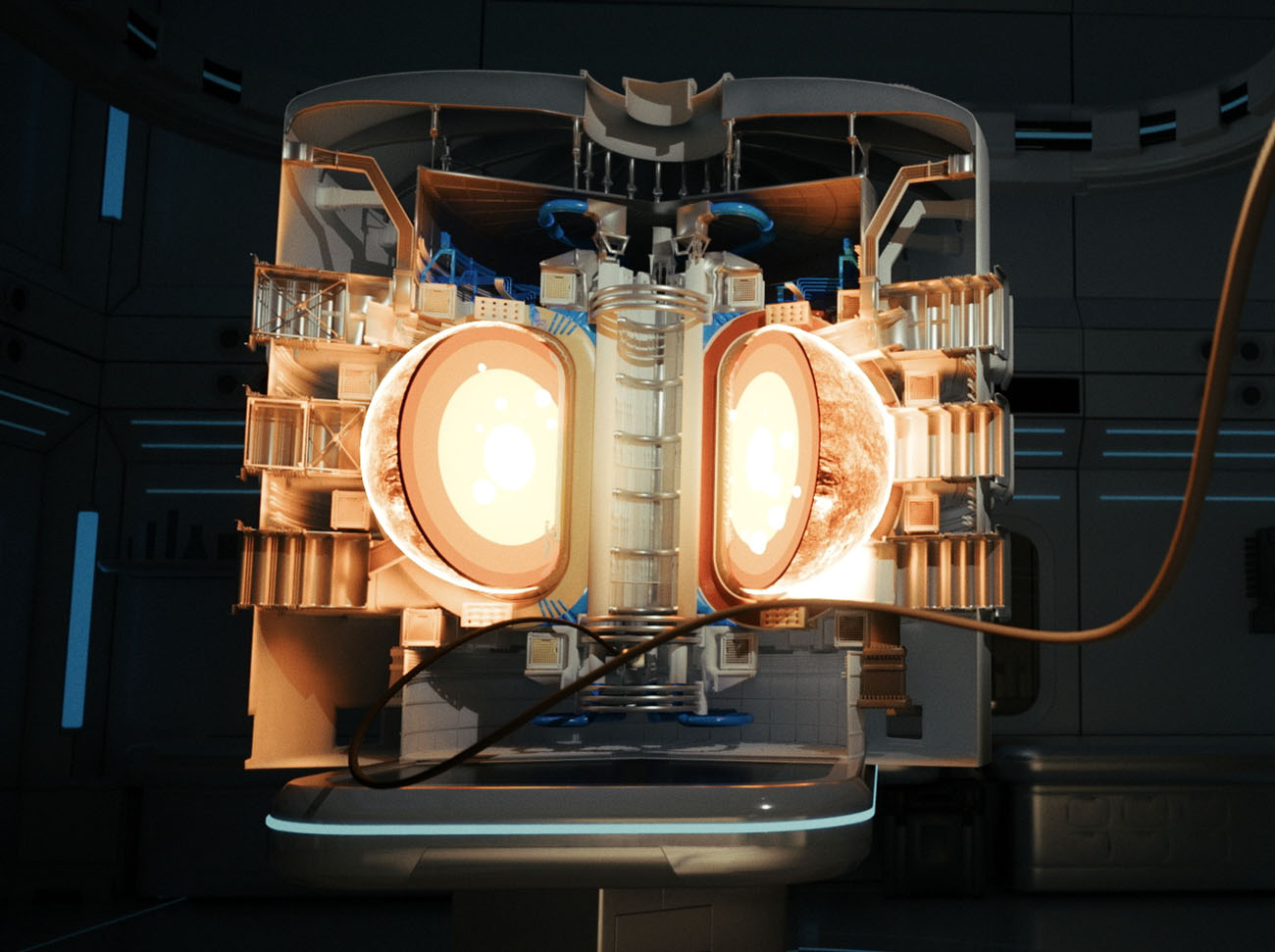
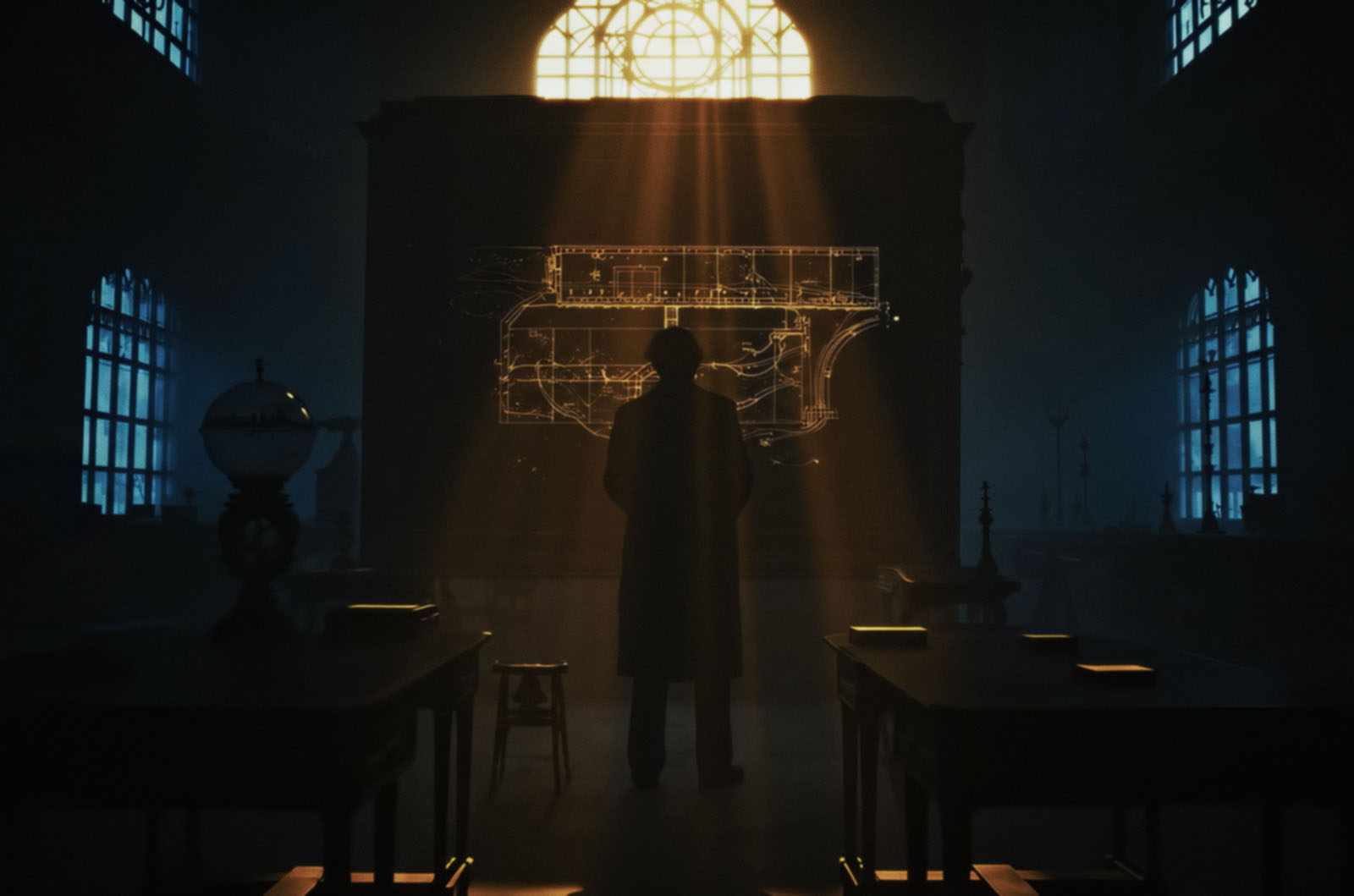
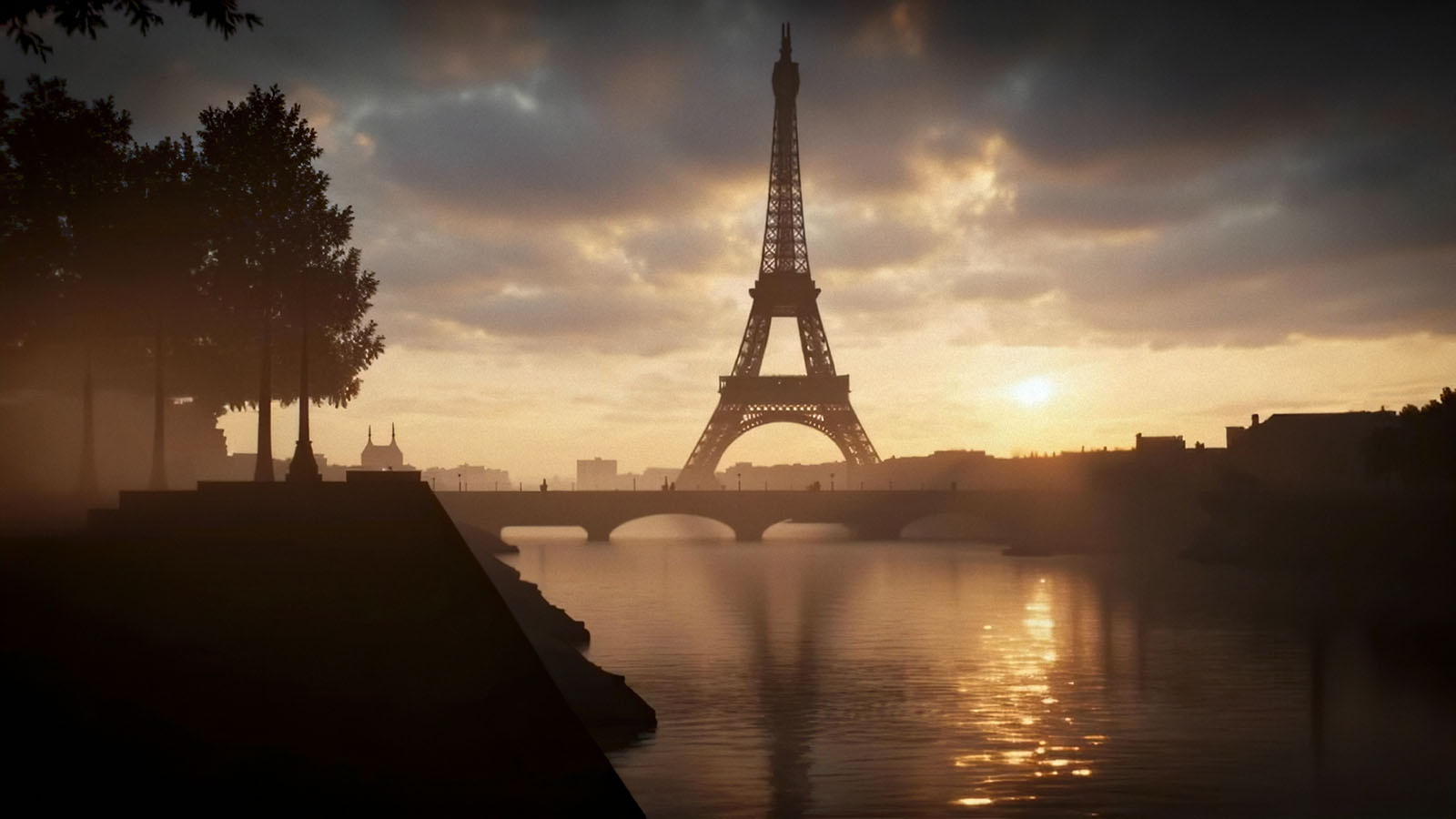
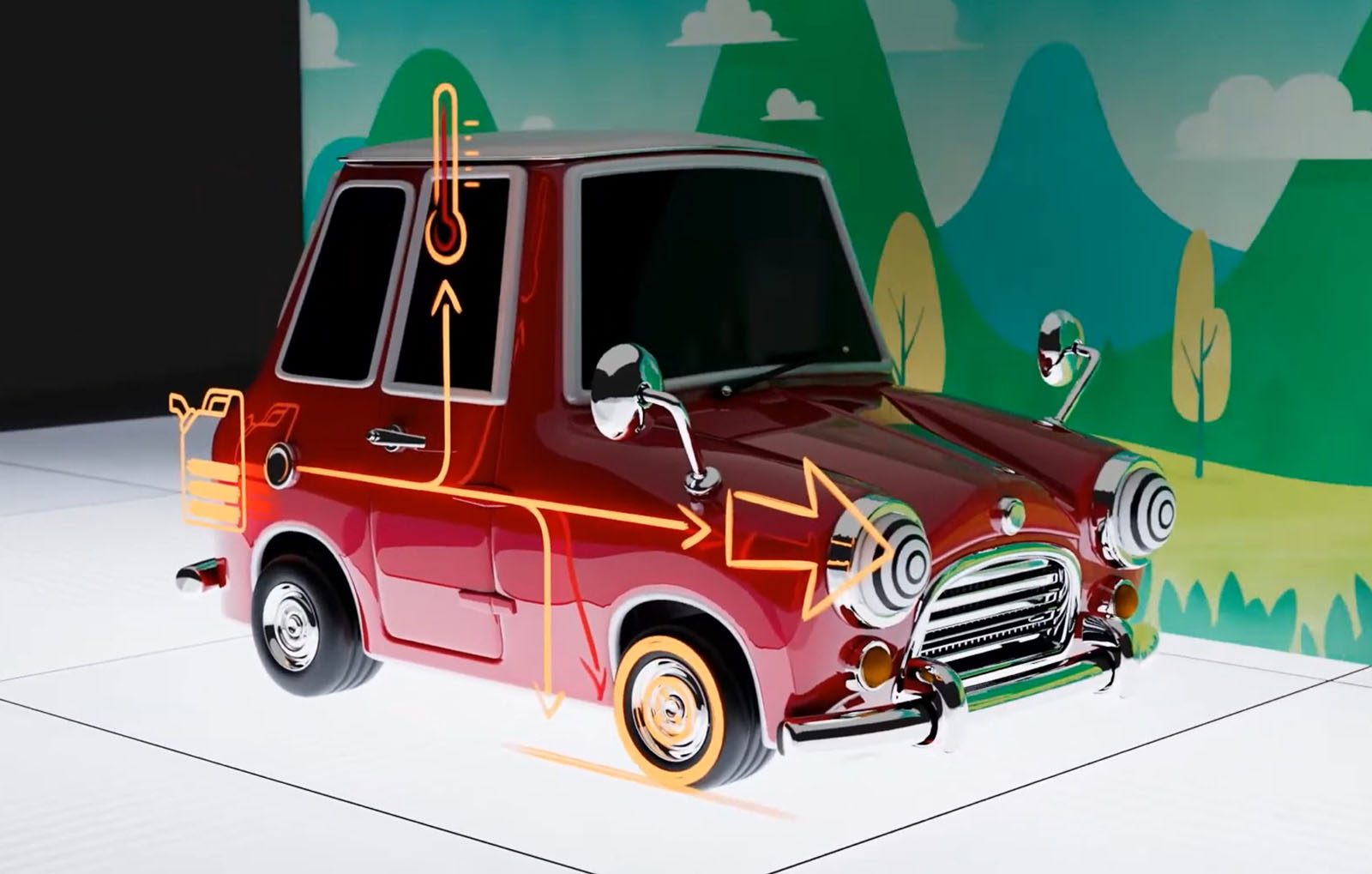
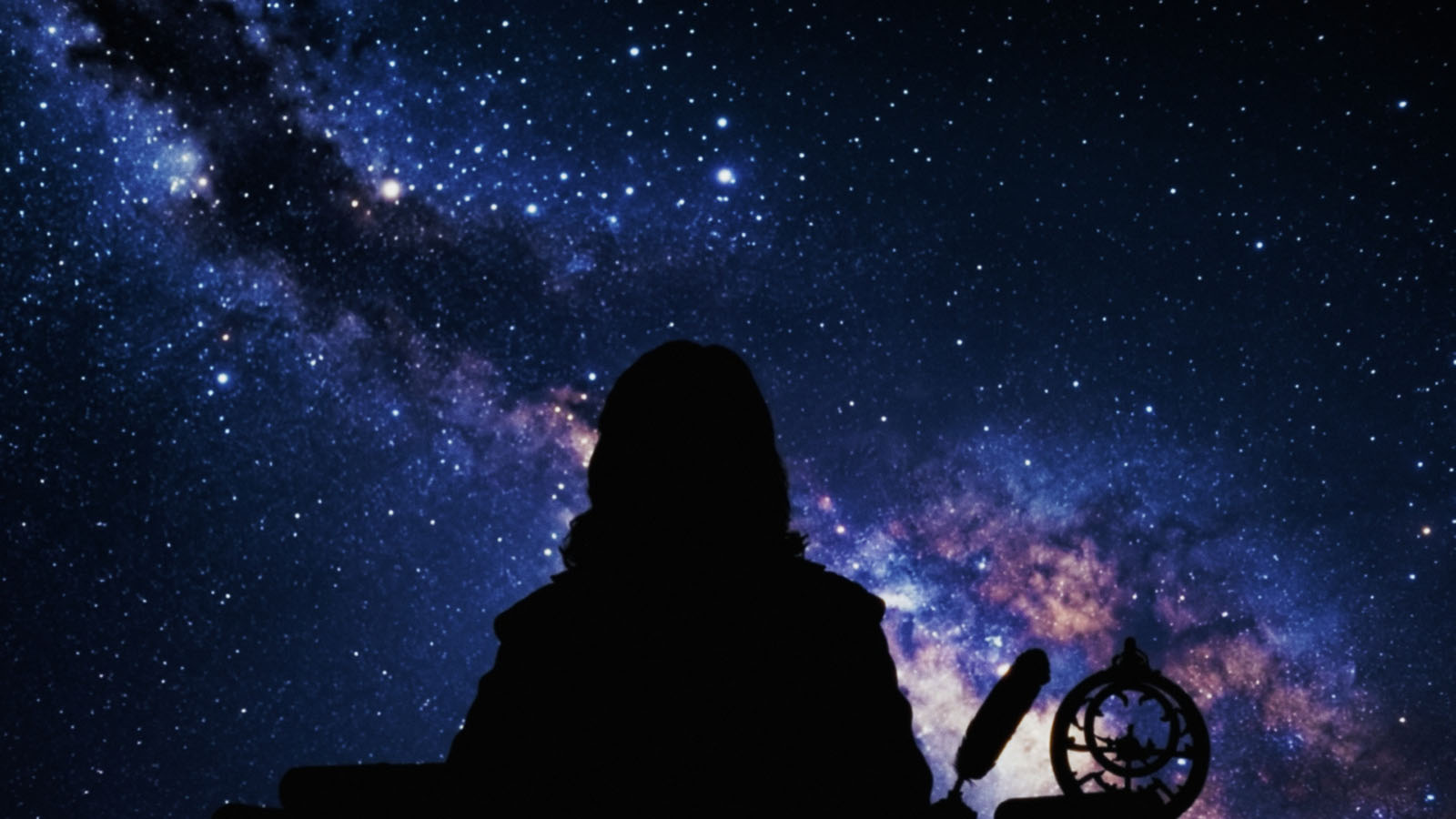
Do you think you’ve never been scientifically- minded? Do maths, physics, and science in general make you cross the road when you see them coming?
Then «Innovation Effect» is the popular science series you need. «Innovation Effect» is 13×26-minutes episodes of science, explained by non-scientists, for non-scientists. Finally reconciling the two hemispheres of our brains.
Director:
William Eguienta
Writer:
Abdel Mostefa
Production:
Mad Films
Arte G.E.I.E
Do the film
Film de la butte
 English
 Deutsch
 简体中文